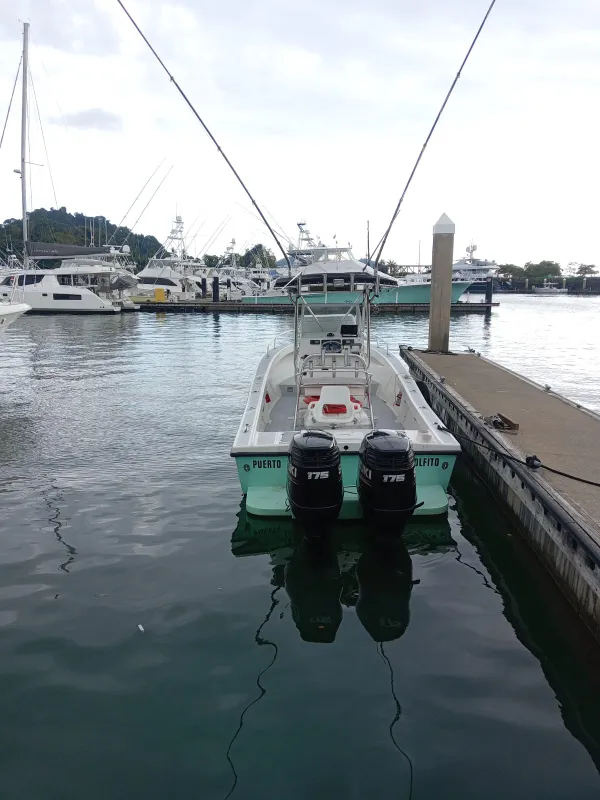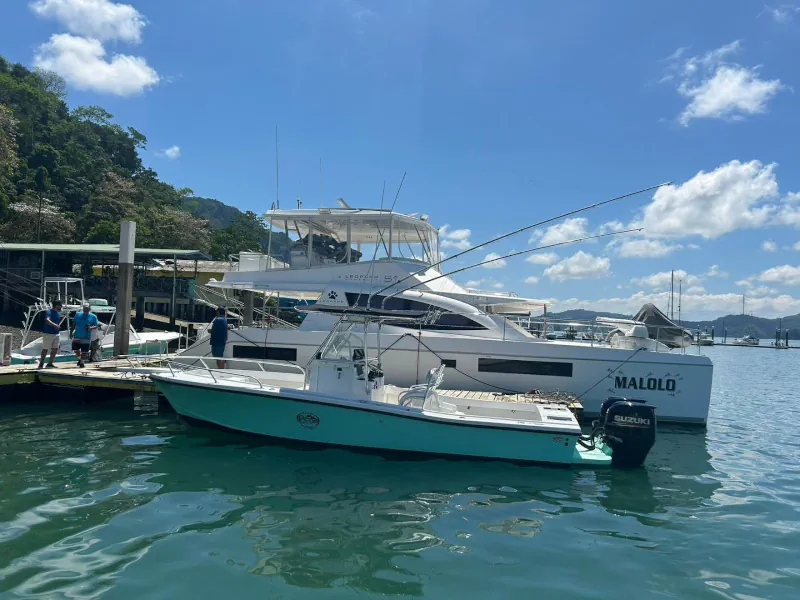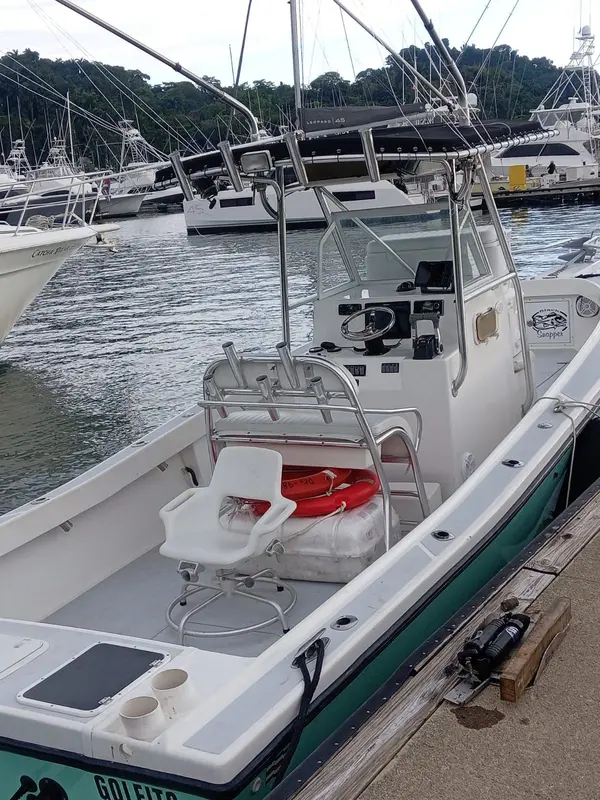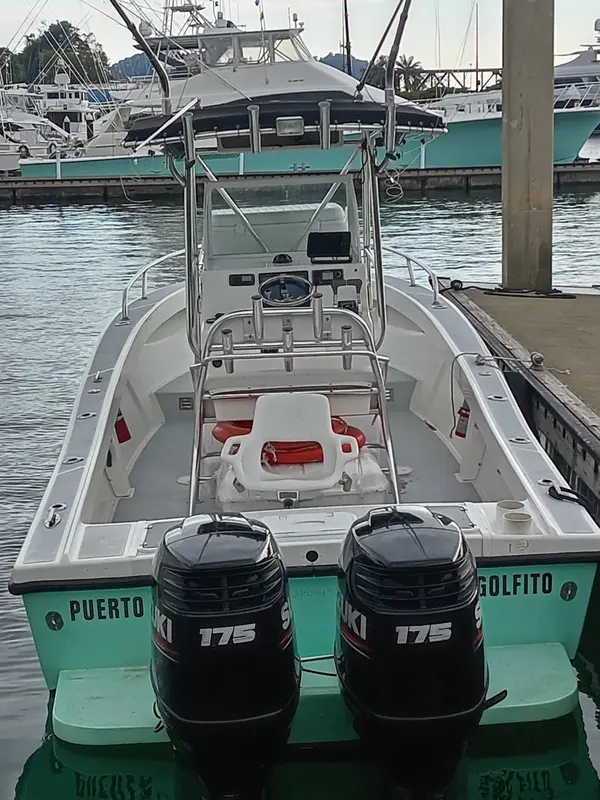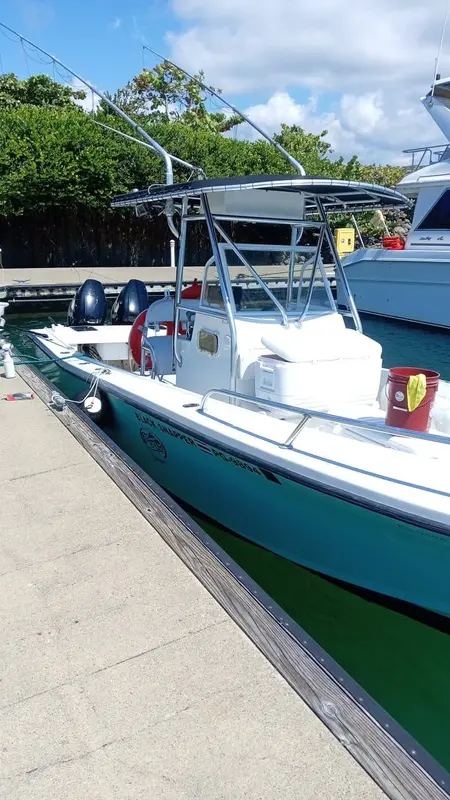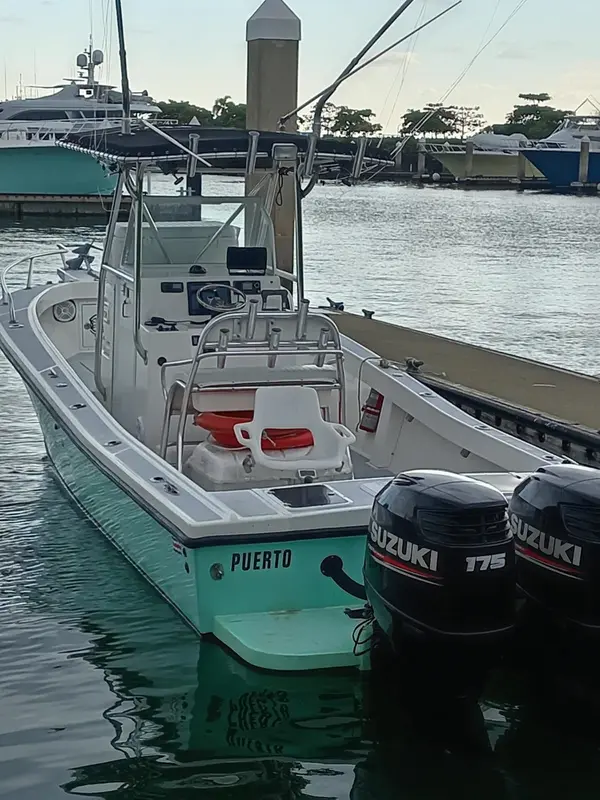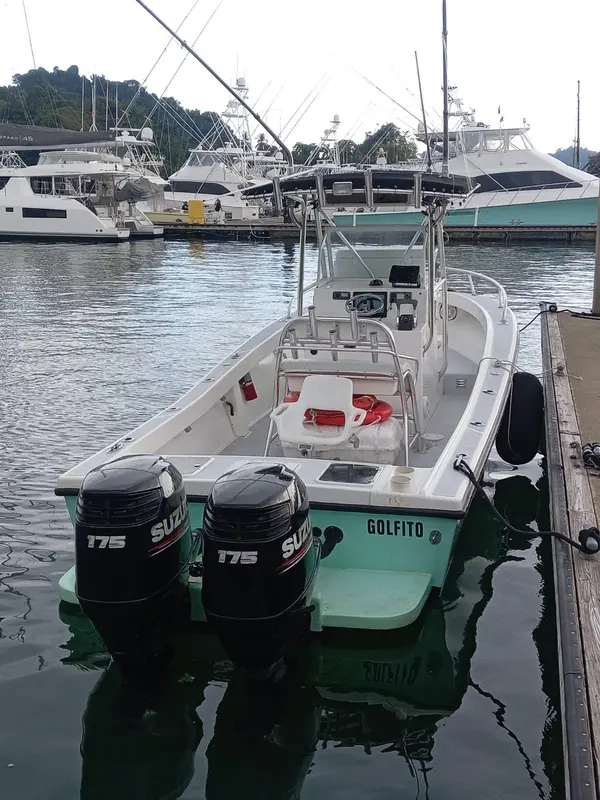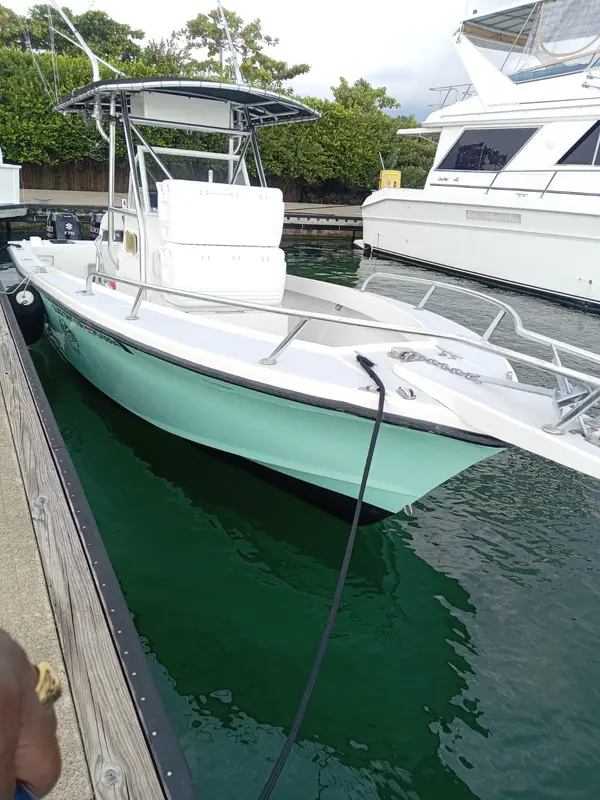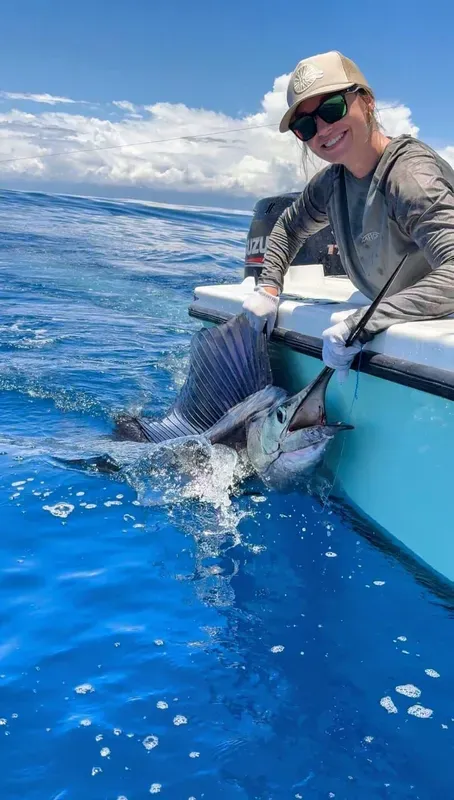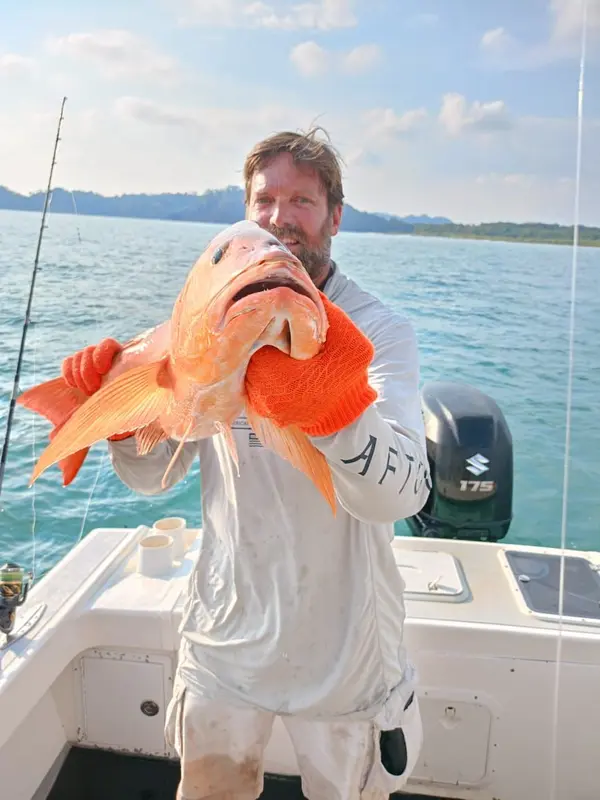
Yellowfin tuna fishing in Quepos is an offshore charter experience: plan time to search productive water, tell the crew if tuna is your main target, and choose a boat that fits a full day at sea. A successful plan starts with your dates, your group’s experience, and realistic expectations about a fish that moves through open ocean.
You may encounter yellowfin during a mixed offshore day targeting other species, or you may want the captain to give tuna particular attention. Make that preference clear before booking. A tuna-focused request helps shape the conversation, but it does not guarantee a particular route, fish size, or catch.
If your group also wants roosterfish near the coast or billfish offshore, name the first priority rather than requesting every target as one program. Ask whether combining plans is realistic within your available time; moving between different fishing grounds can reduce the time spent targeting tuna.
What makes yellowfin a different offshore target?
Yellowfin are powerful ocean-going tuna, rather than a coastal species you can reliably plan around on a short inshore outing. Their appeal is the combination of searching for activity, working with the crew, and the possibility of a demanding fight once a fish is hooked.
The NOAA Fisheries yellowfin profile describes a highly migratory fish found in tropical and subtropical oceans. Adults have distinctive yellow fins and finlets. That broad biology helps explain why a captain’s current observations matter: a calendar cannot tell you where an individual school will be on your fishing day.
For anglers choosing among local targets, our guide to fish species near Quepos puts tuna alongside sailfish, marlin, dorado, and the coastal fishery. This article focuses on planning for yellowfin, rather than comparing every species.
When should you plan a Quepos tuna trip?
The Pez Loco fishing calendar rates yellowfin tuna Excellent from January through June and Good from July through December. Use those ratings as the operator’s general planning guide, not a measured catch probability or a forecast for your charter.
| Travel period | Calendar rating |
|---|---|
| January–April | Excellent |
| May–June | Excellent |
| July–August | Good |
| September–October | Good |
| November–December | Good |
The full Quepos fishing calendar and reports hub is the reference for these ratings. Ask the team what the crew has been finding recently and how that affects your preferred dates. Reports describe past activity; they cannot promise a repeat for your group.
If your vacation dates are flexible, explain that tuna is the priority and ask which available dates the team recommends. If your dates are fixed, discuss a realistic offshore program for that period. Avoid building a trip around a claim that there is only one good tuna month or that an entire season guarantees calm seas.
Why tuna fishing needs time to search
A full offshore day includes the run to fishing water, time looking for activity, and opportunities to work an area when the captain finds a reason to stay. Some of the day may be quiet. Surface action can also change quickly, so the crew may ask guests to be ready when an opportunity develops.
You may hear anglers talk about birds or dolphins when discussing tuna. NOAA explains that large yellowfin sometimes associate with dolphins in parts of the eastern tropical Pacific. This is regional ecological context, not a promise of a wildlife encounter or a rule that every dolphin group has catchable tuna beneath it.
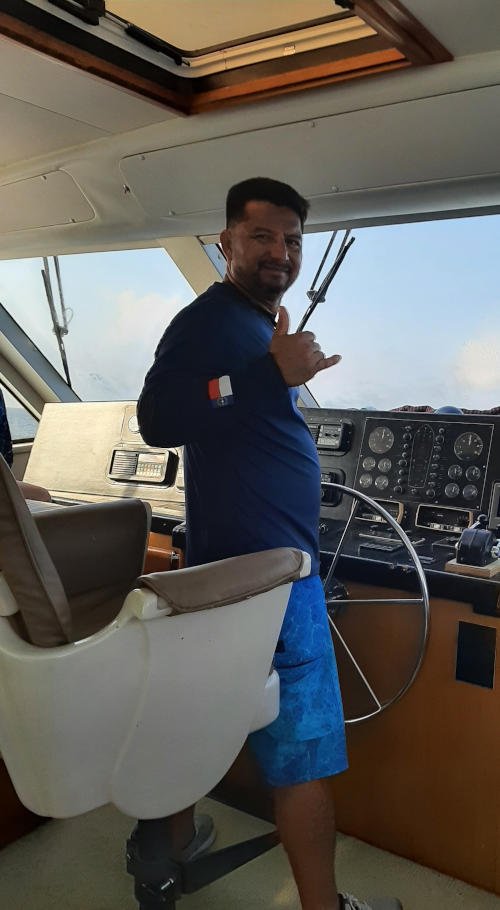
Let the captain interpret the conditions and decide the approach. A day spent searching does not necessarily mean the boat should have stayed closer to shore. Equally, a longer run does not guarantee better fishing. The crew balances the available information with the time and conditions on your actual outing.
When comparing a half-day, three-quarter-day, or six-hour quote, ask for the actual departure and return times and how much of the outing is expected to be travel rather than fishing. Those labels alone do not tell you how much time the captain can spend searching offshore. Discuss your time limit before reserving, then let the team recommend a realistic program.
What should you ask about the boat and fishing approach?
Start by asking which available vessel the team recommends for your dates and tuna priority. Then discuss how your group wants to fish: experienced anglers may want to talk tackle and participation, while first-time visitors may need an explanation of what happens during a hookup.
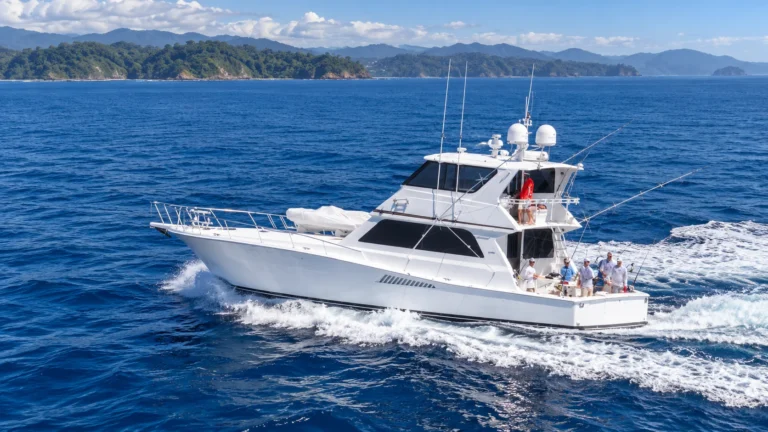
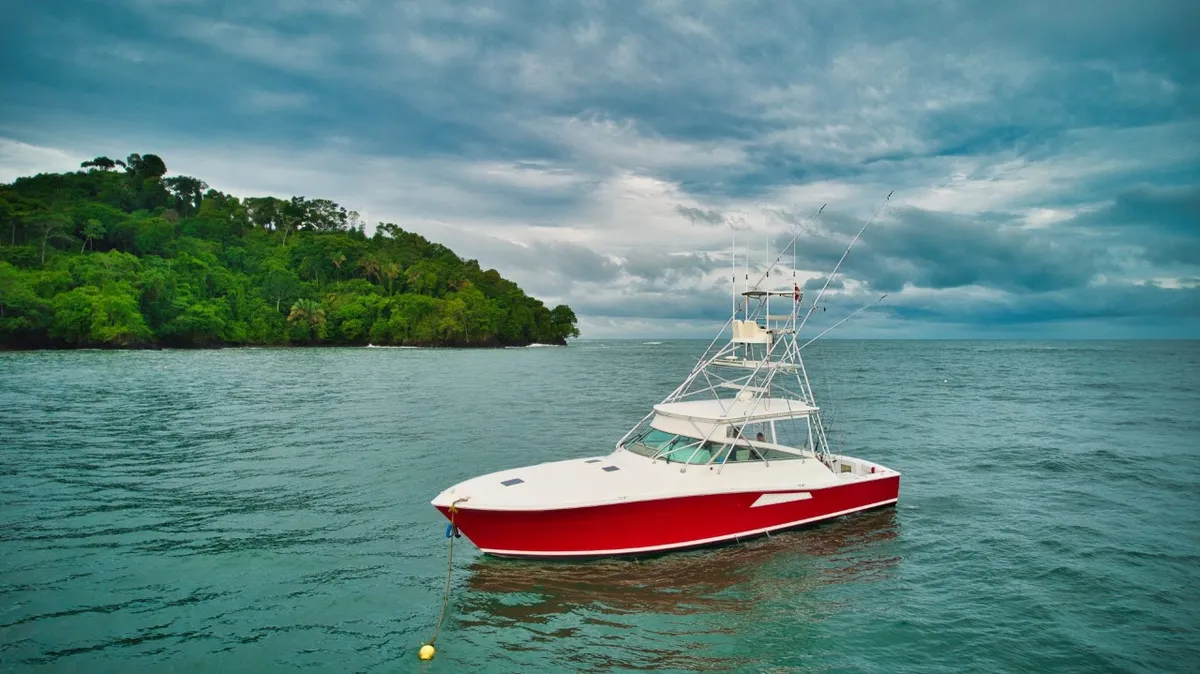
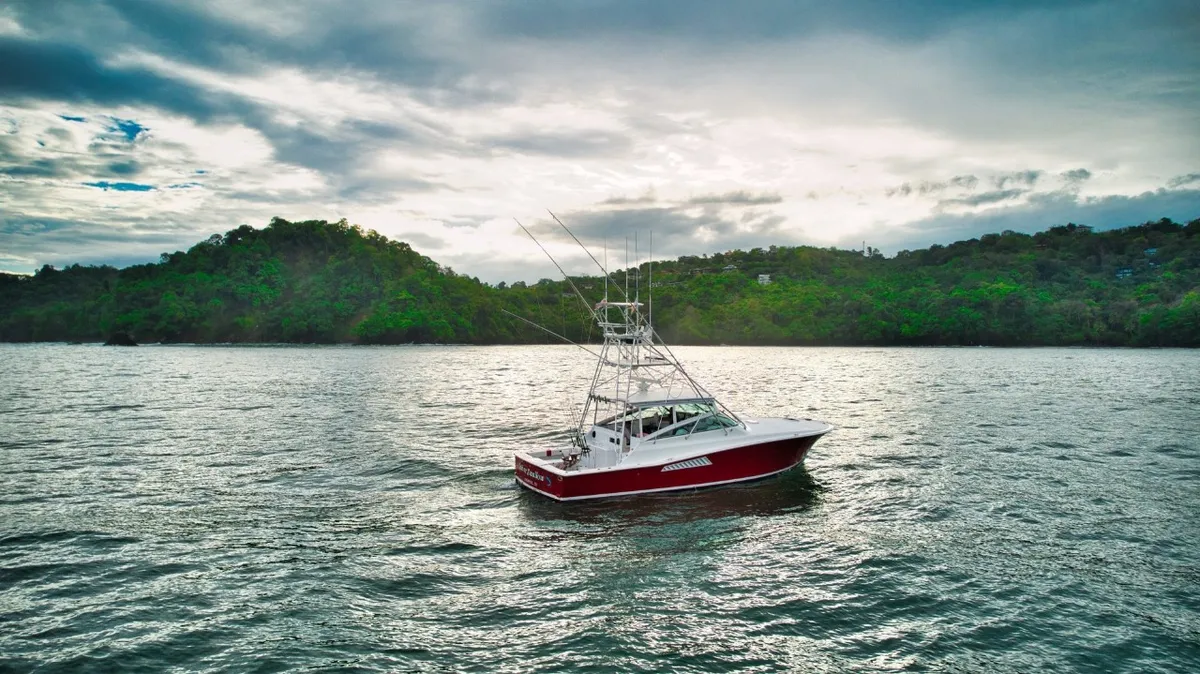
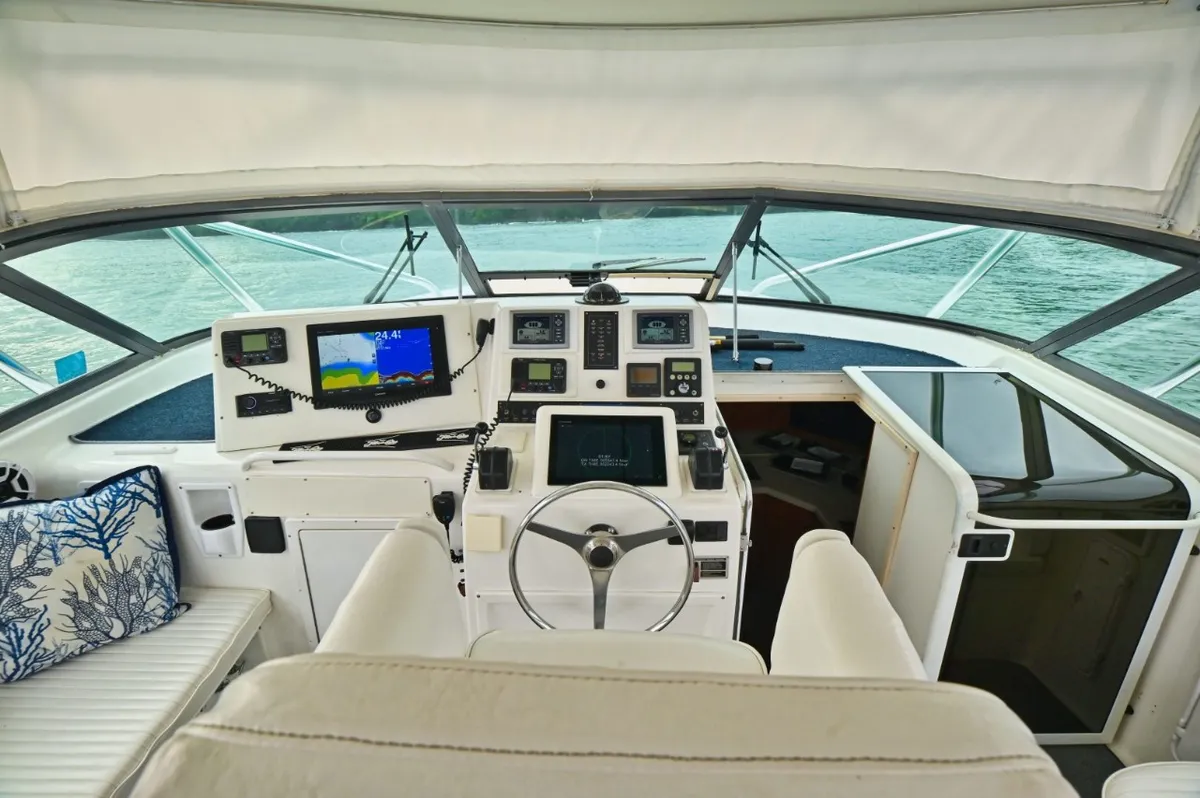
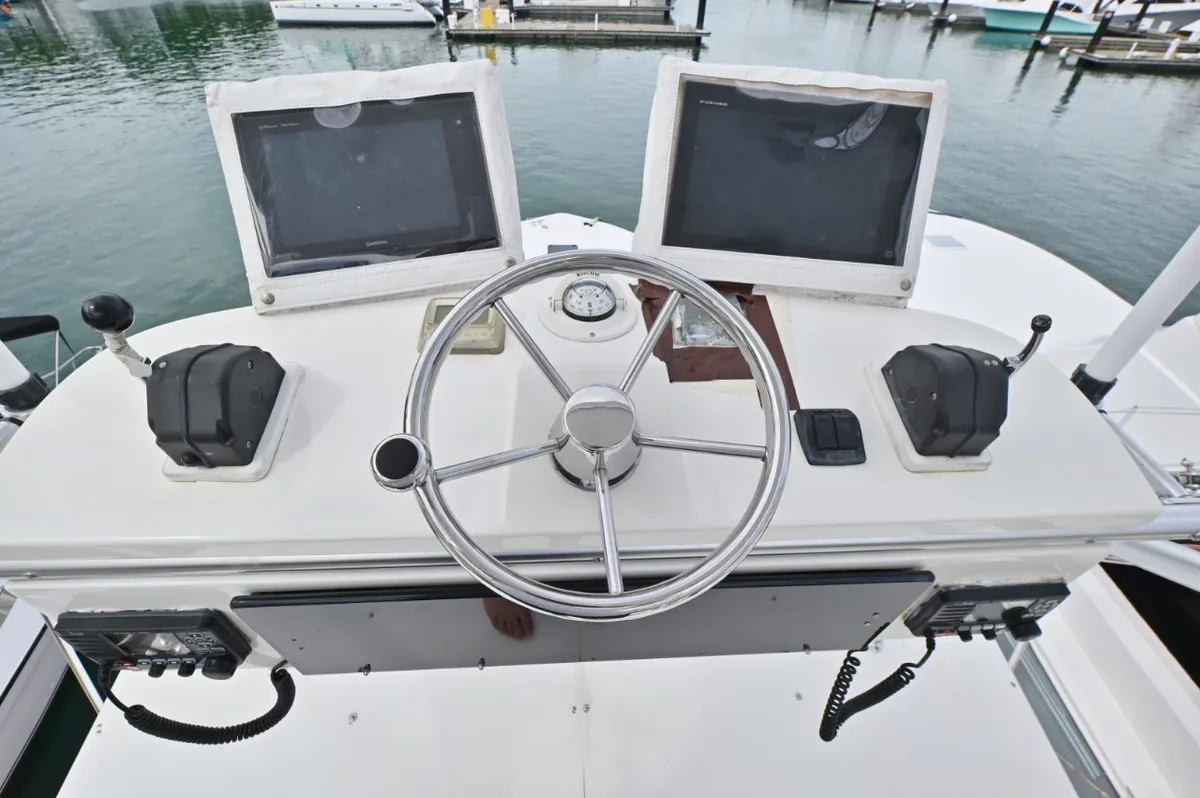
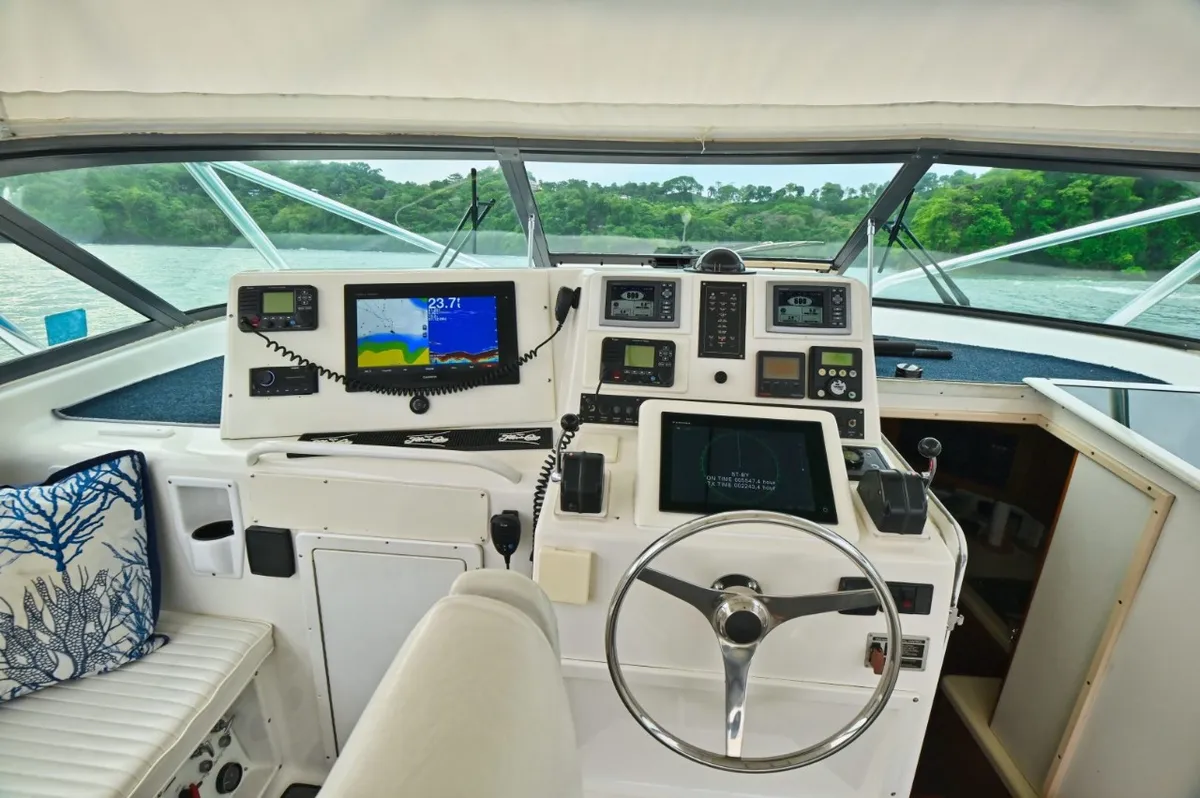
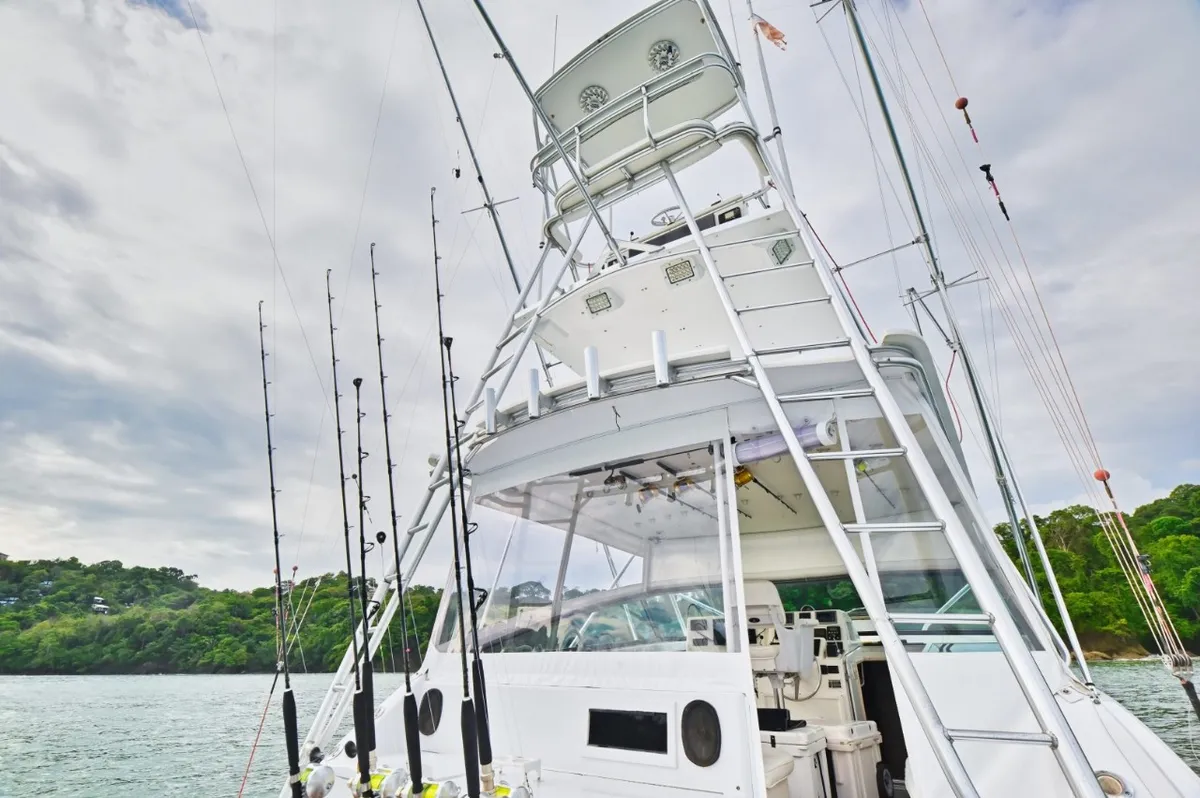
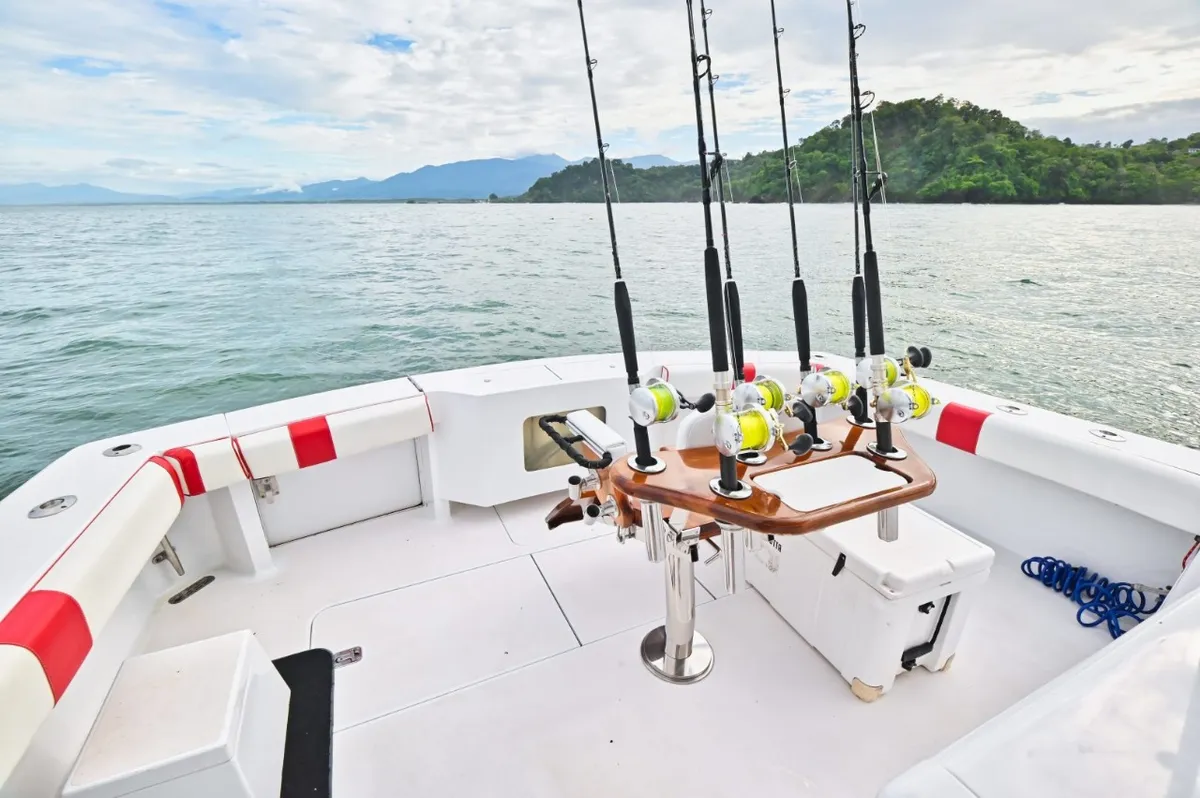
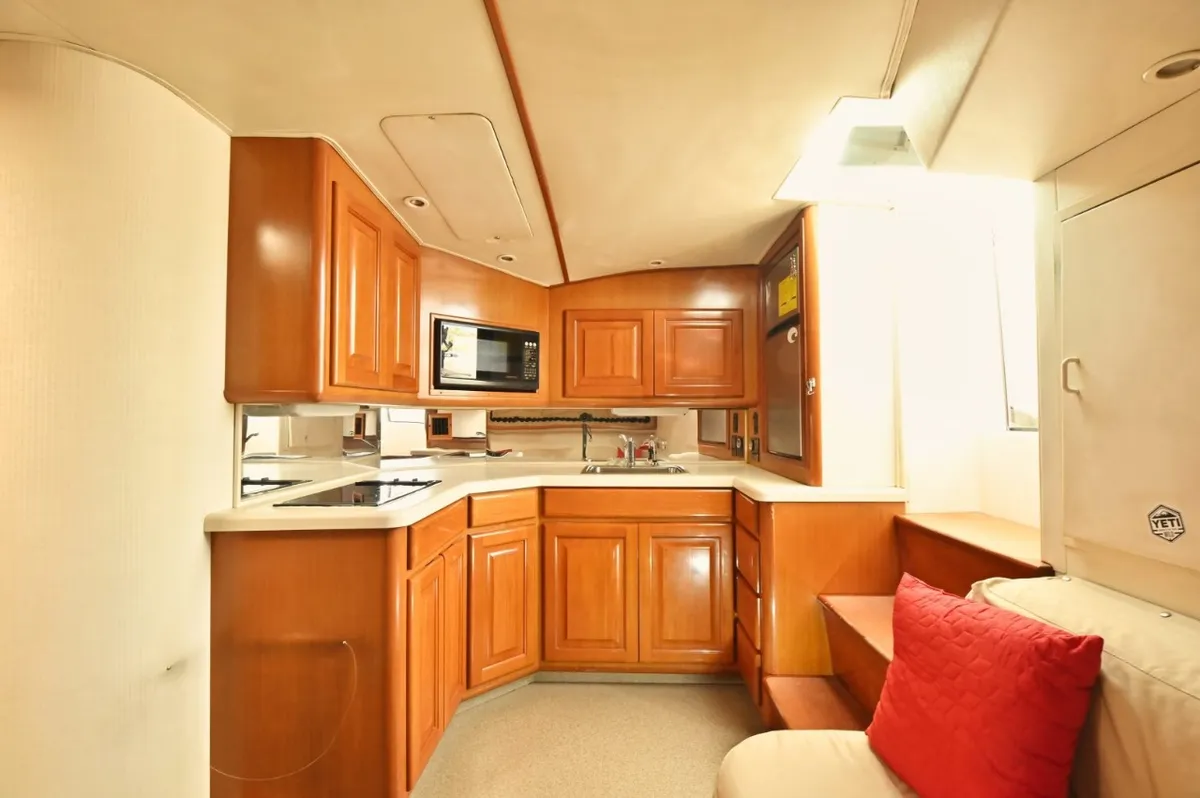
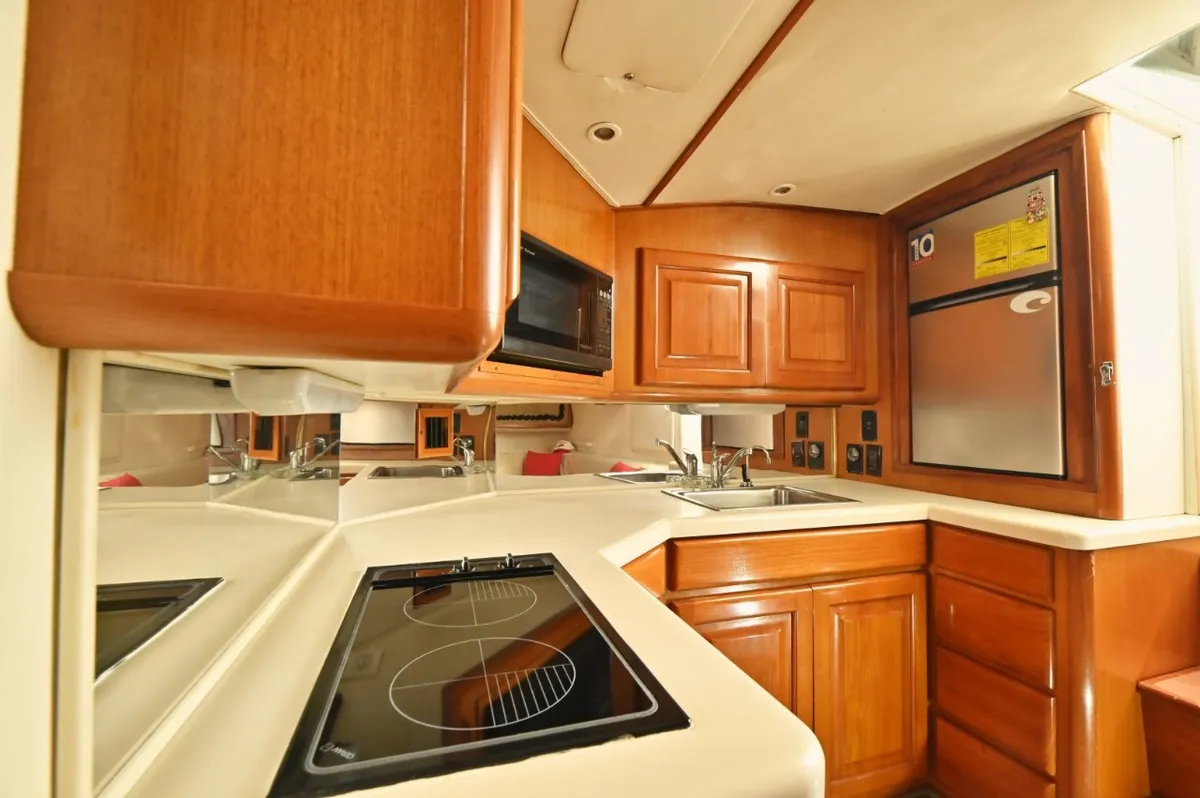
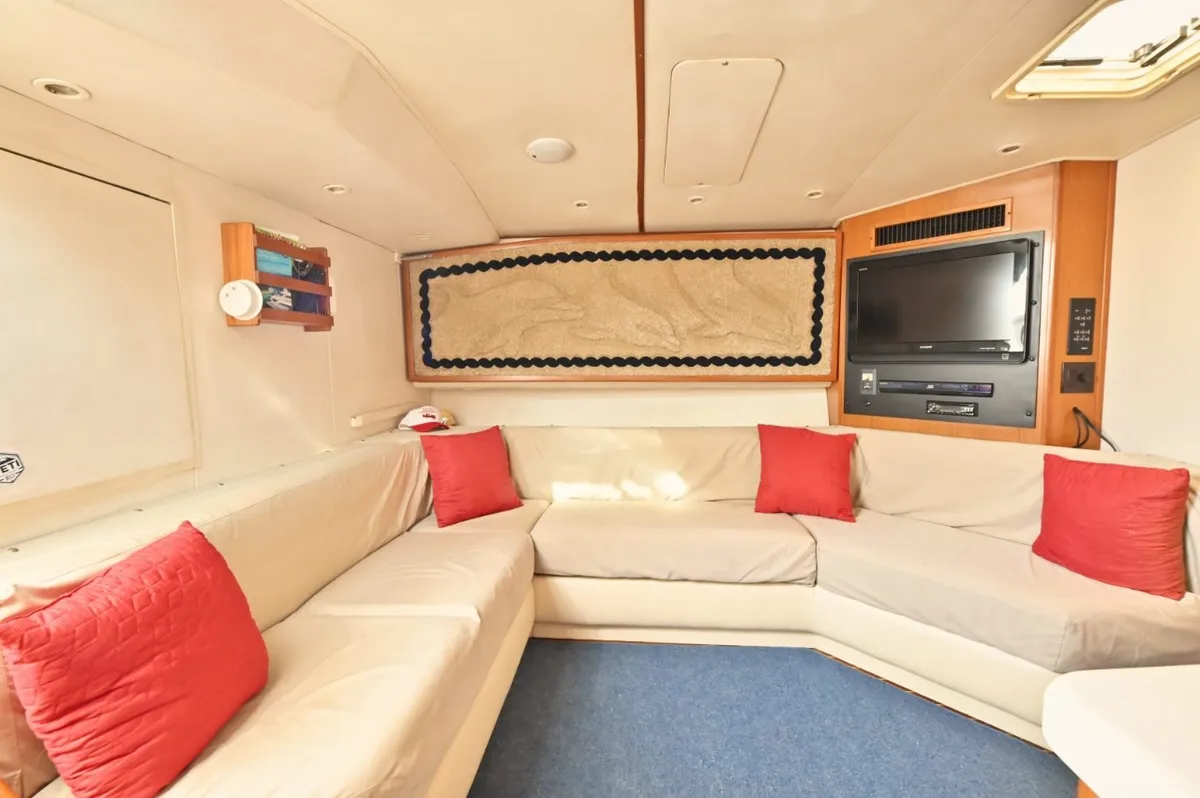
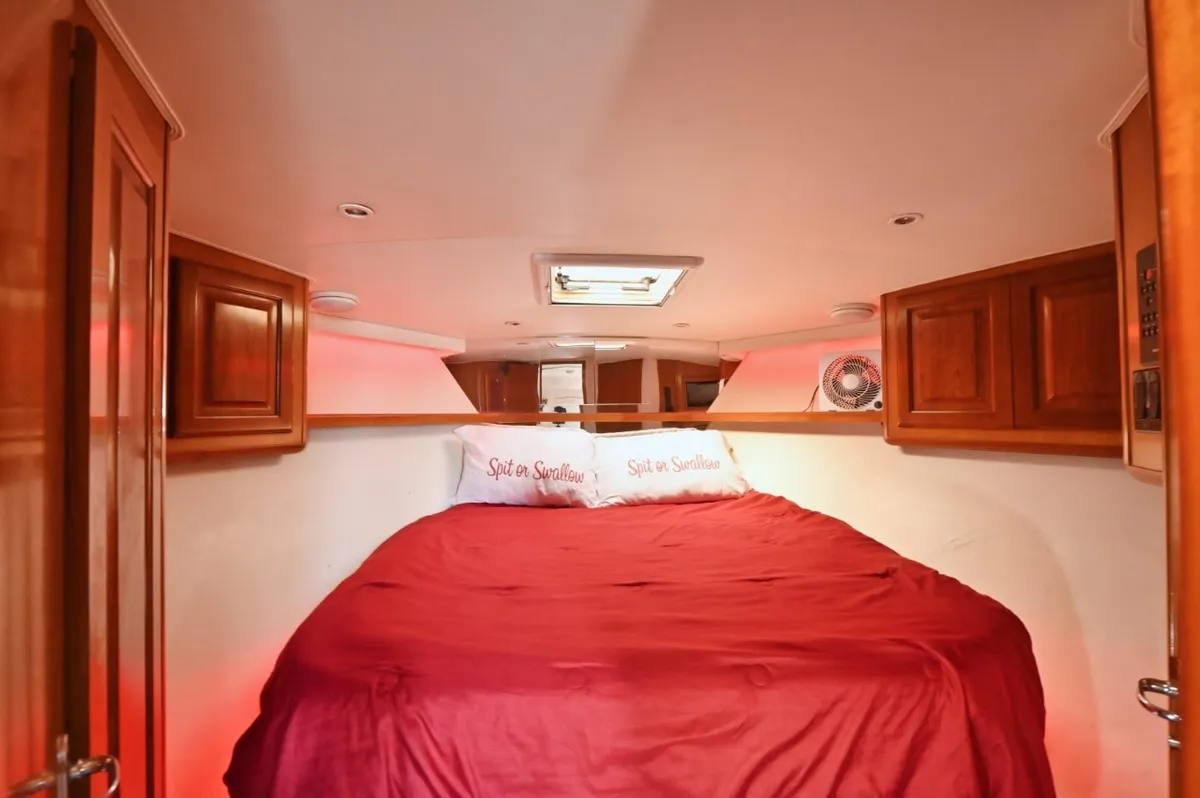
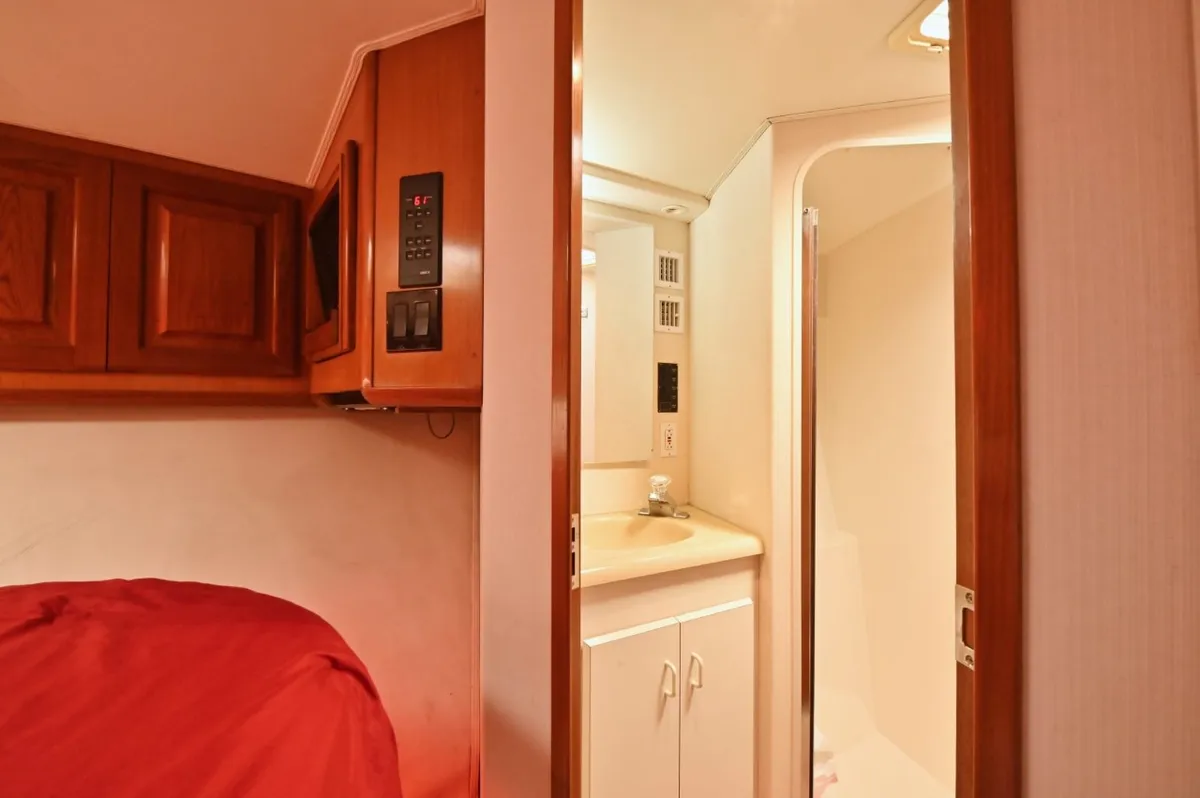
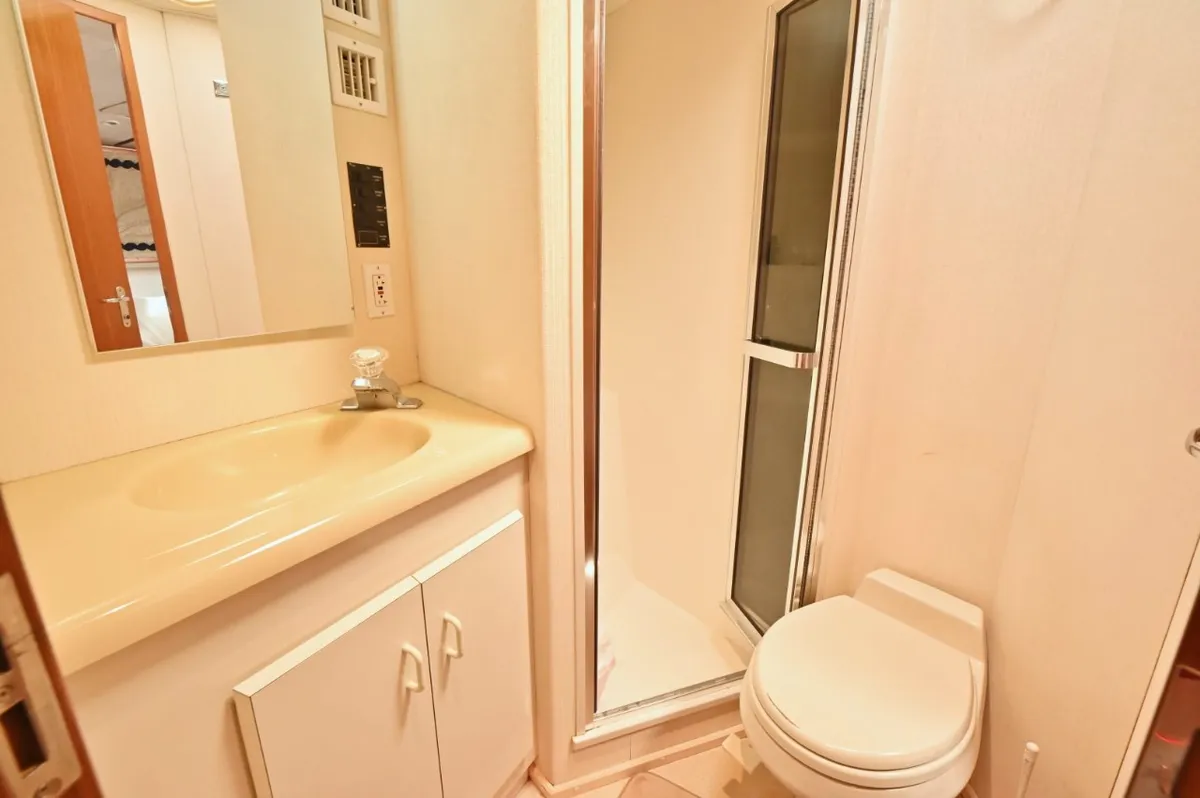
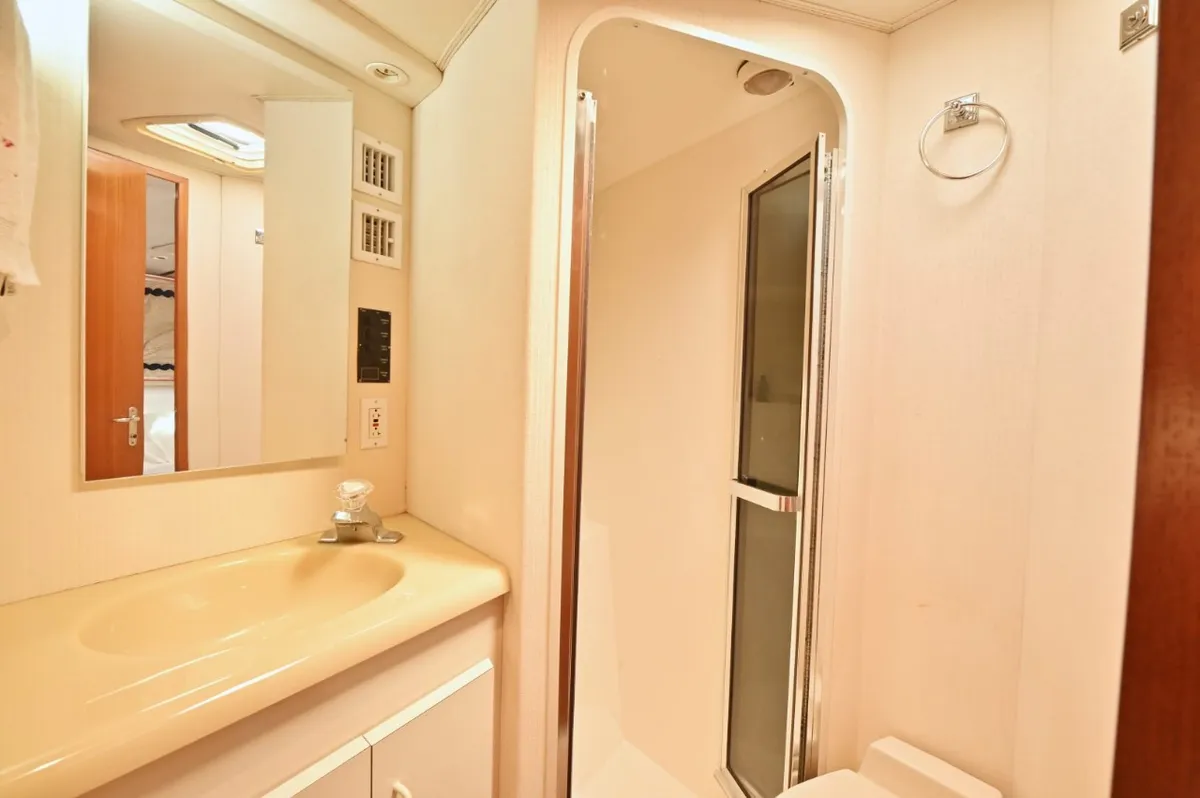
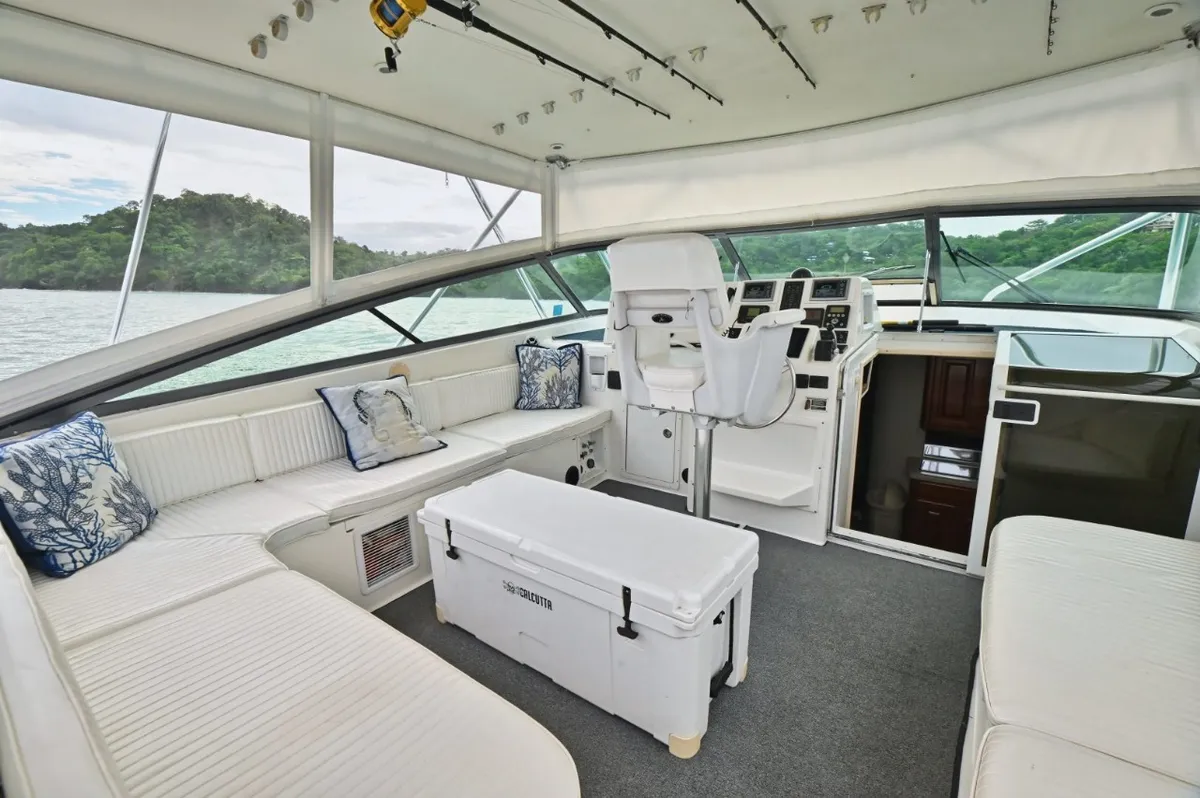
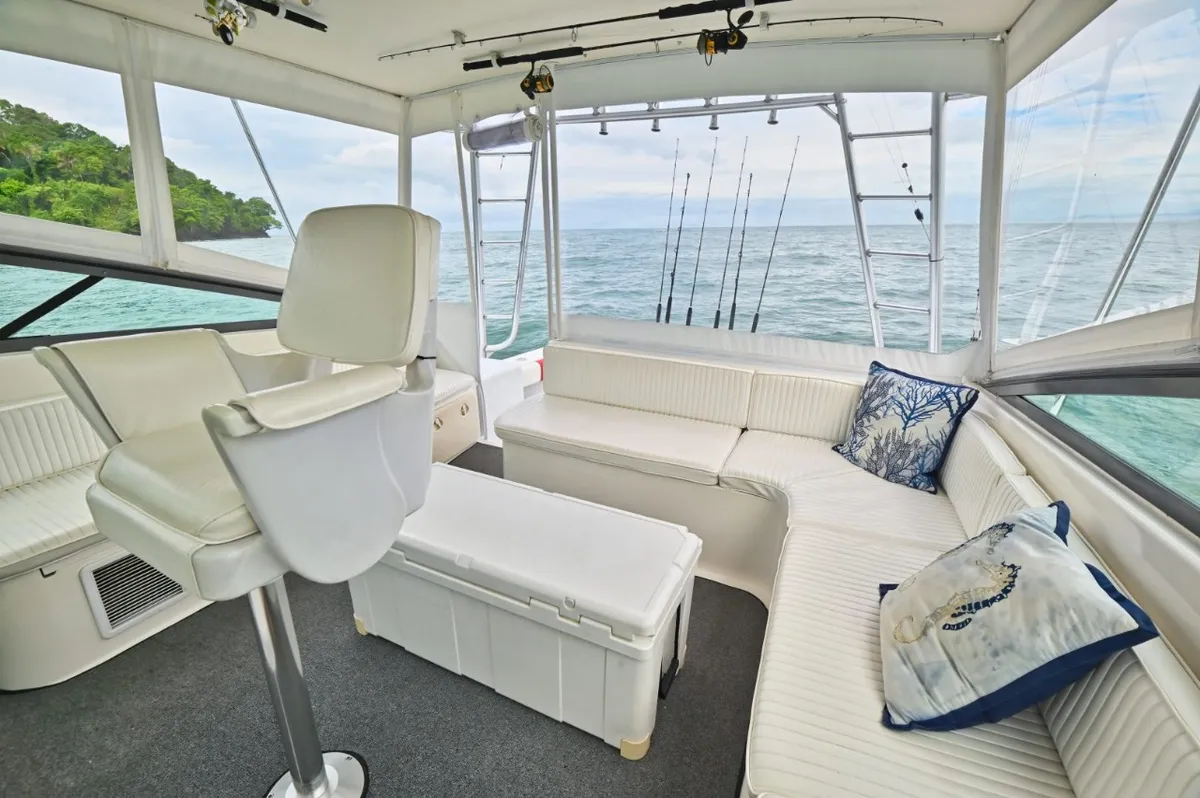
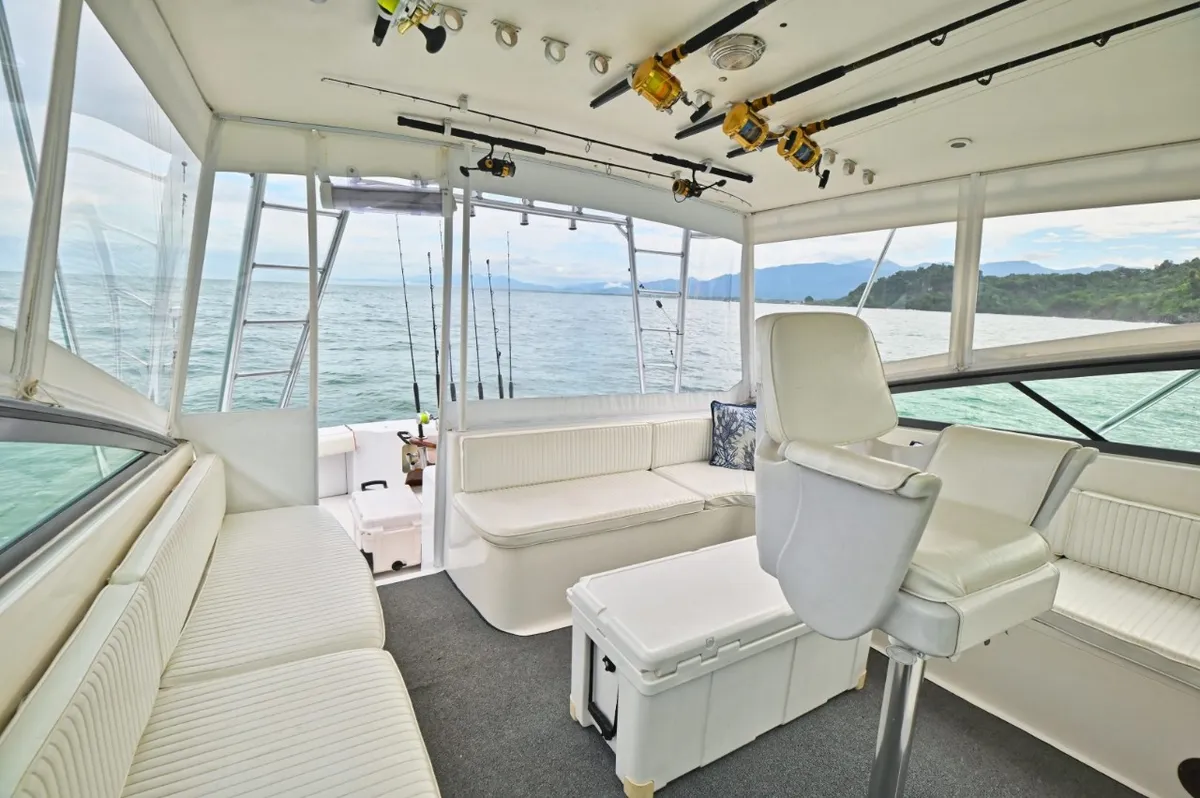
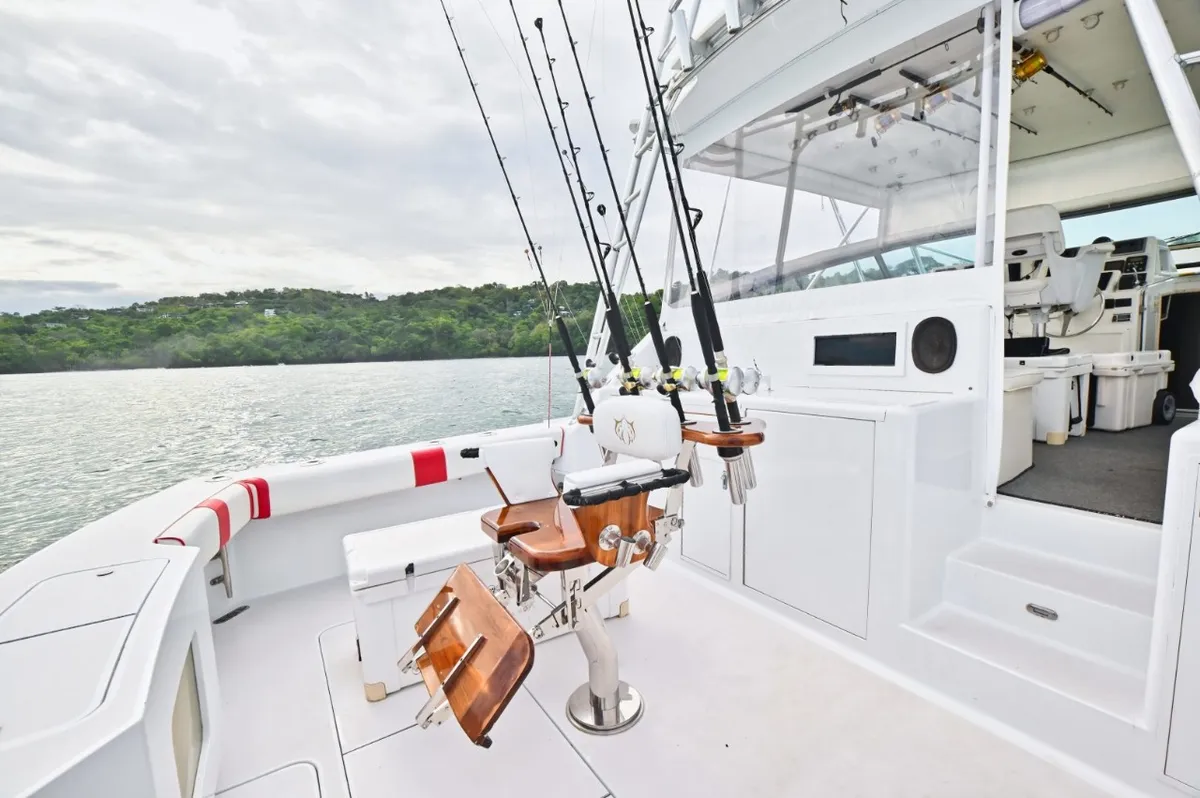
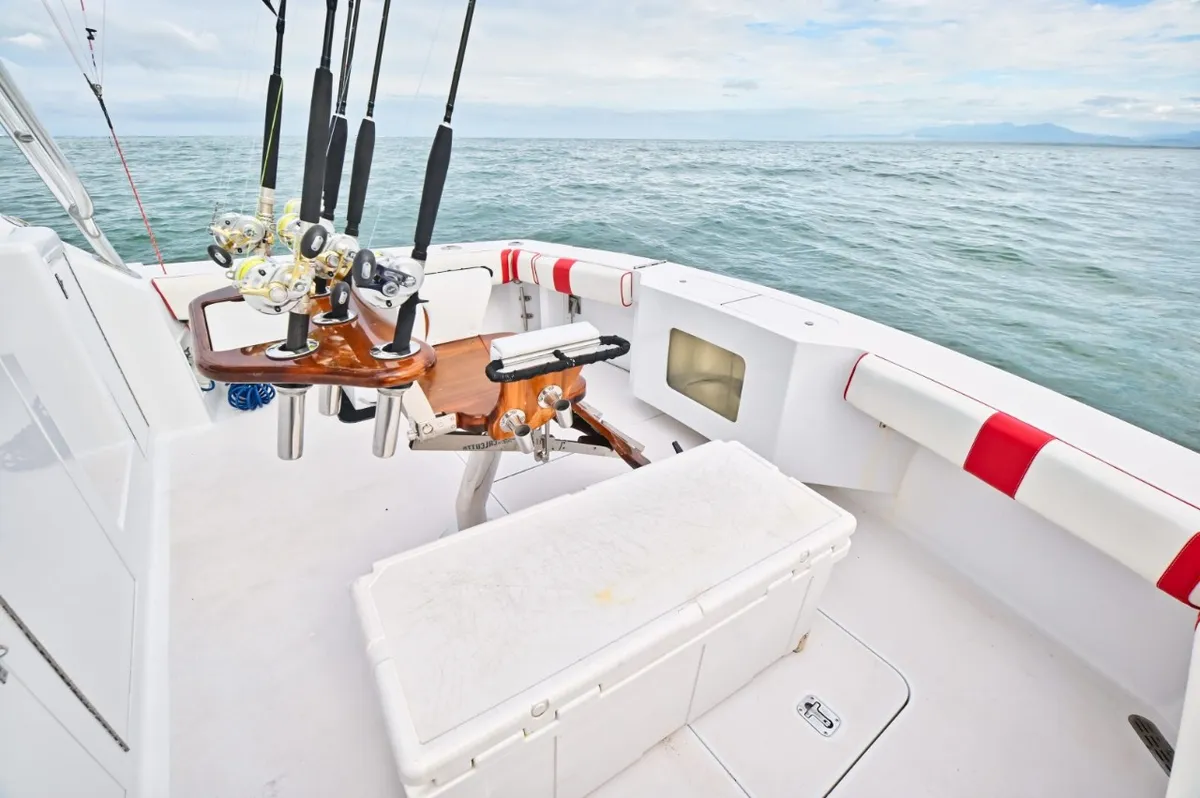
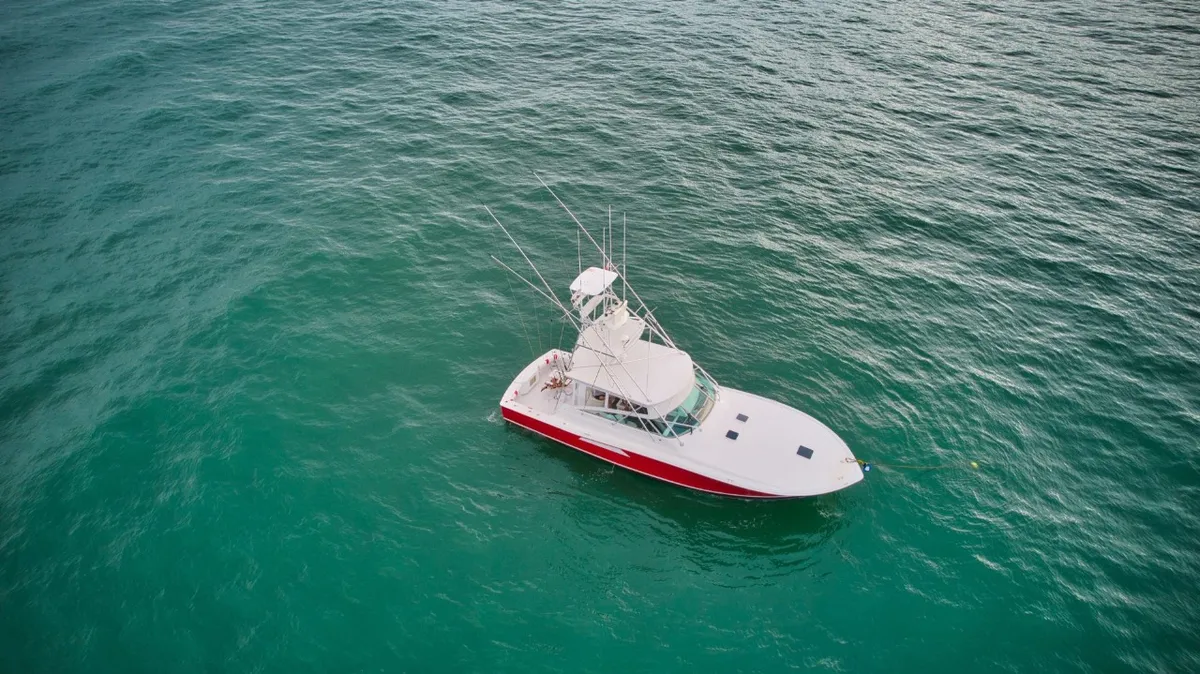
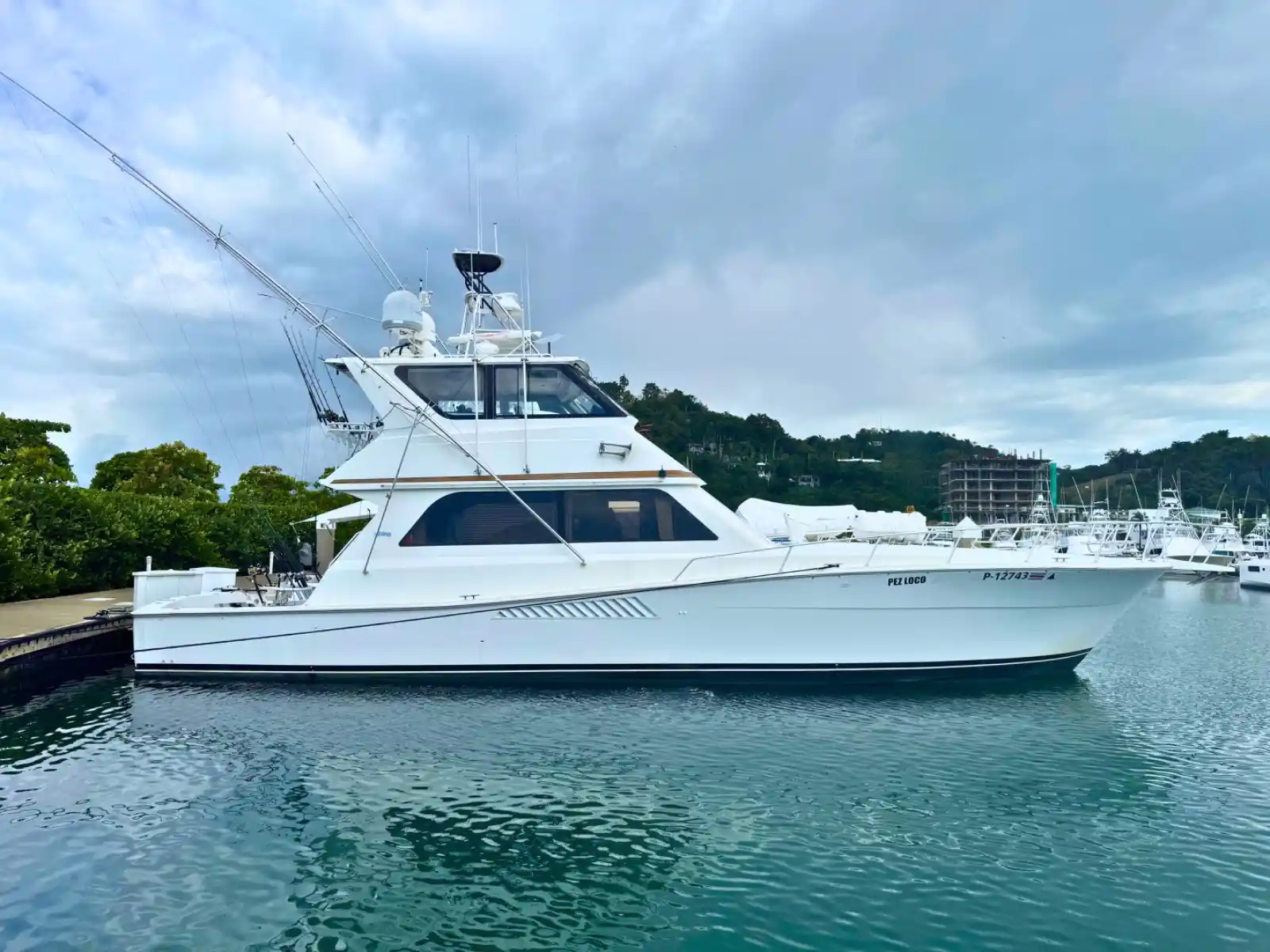
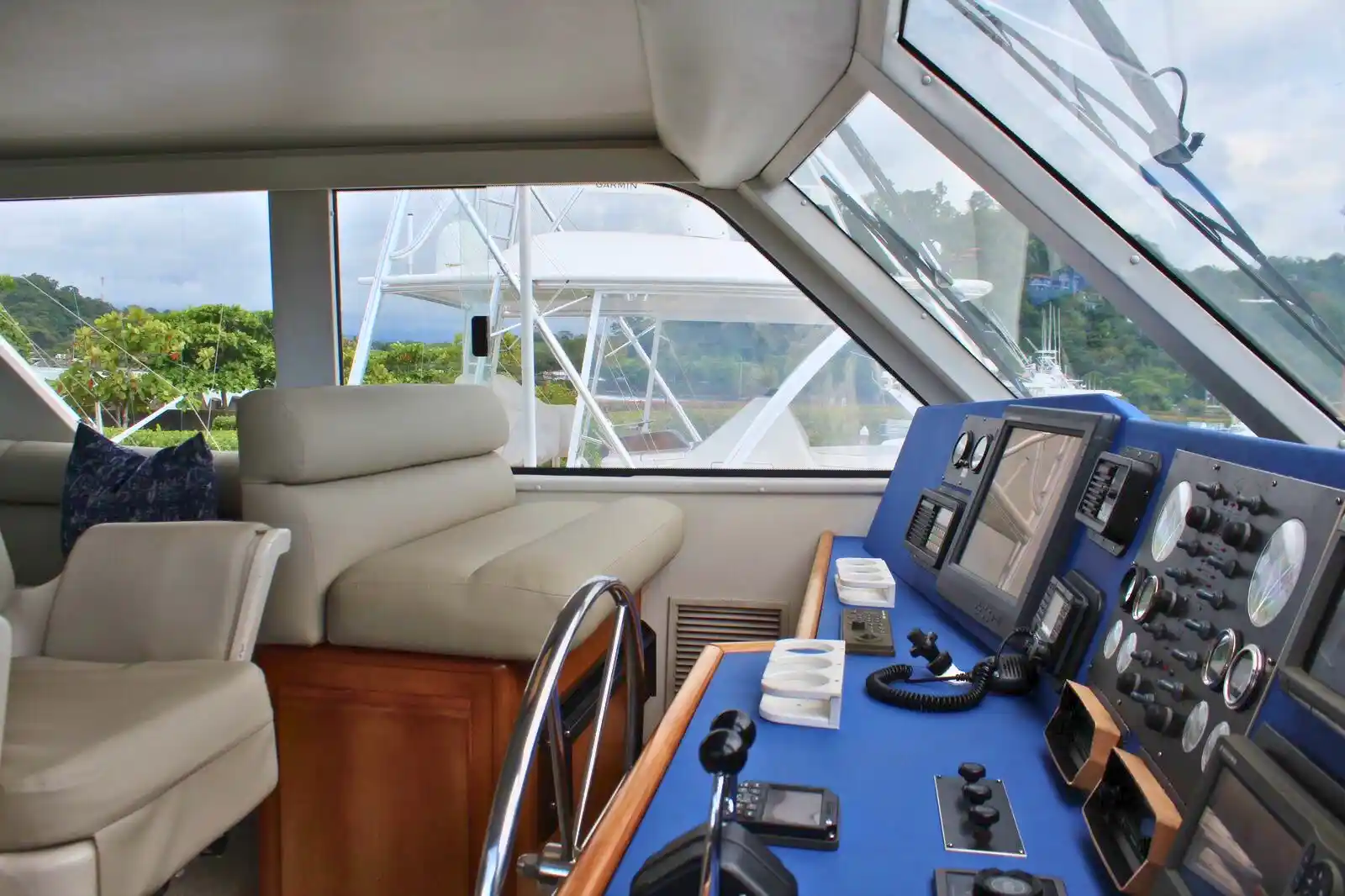
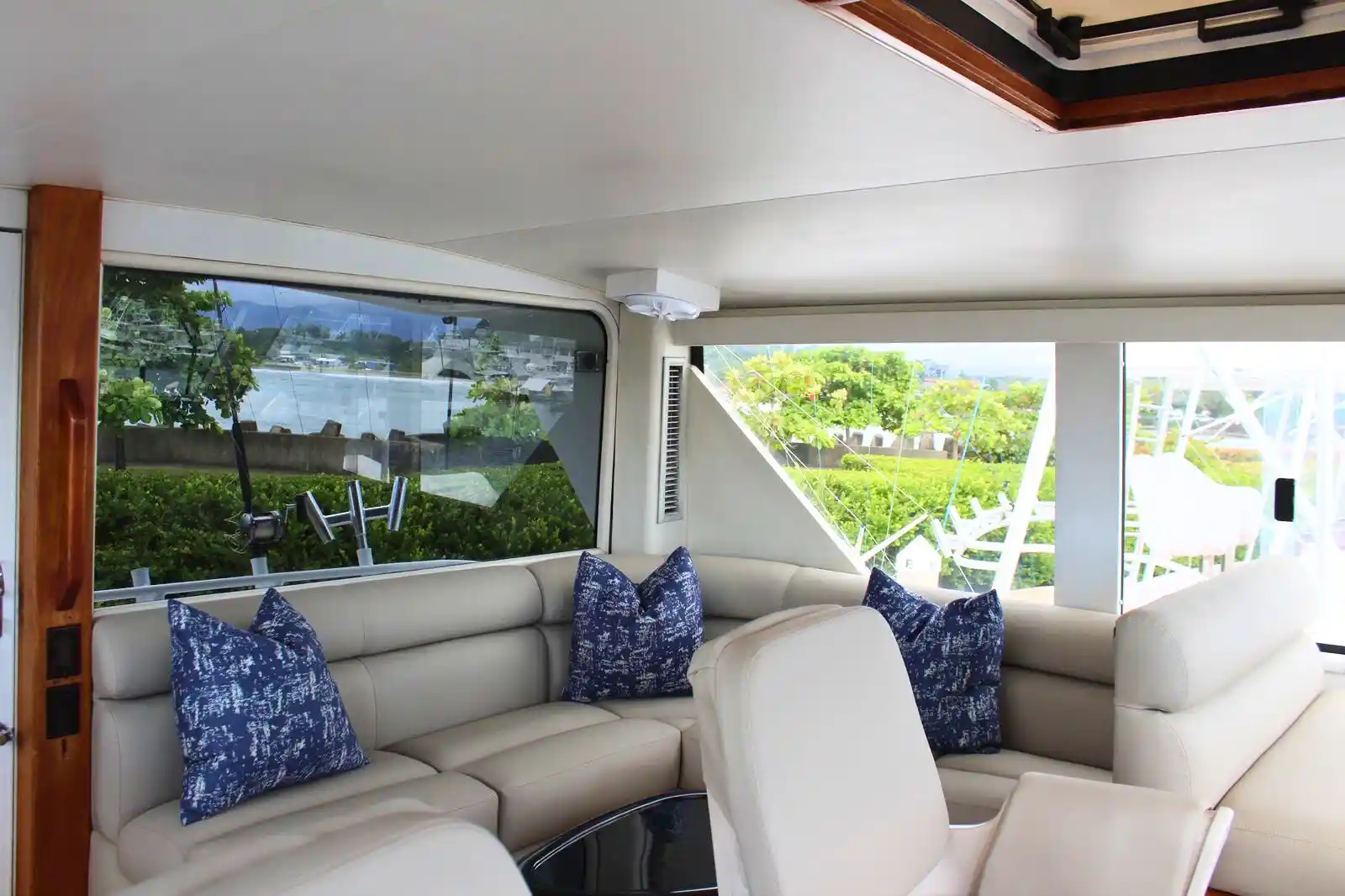
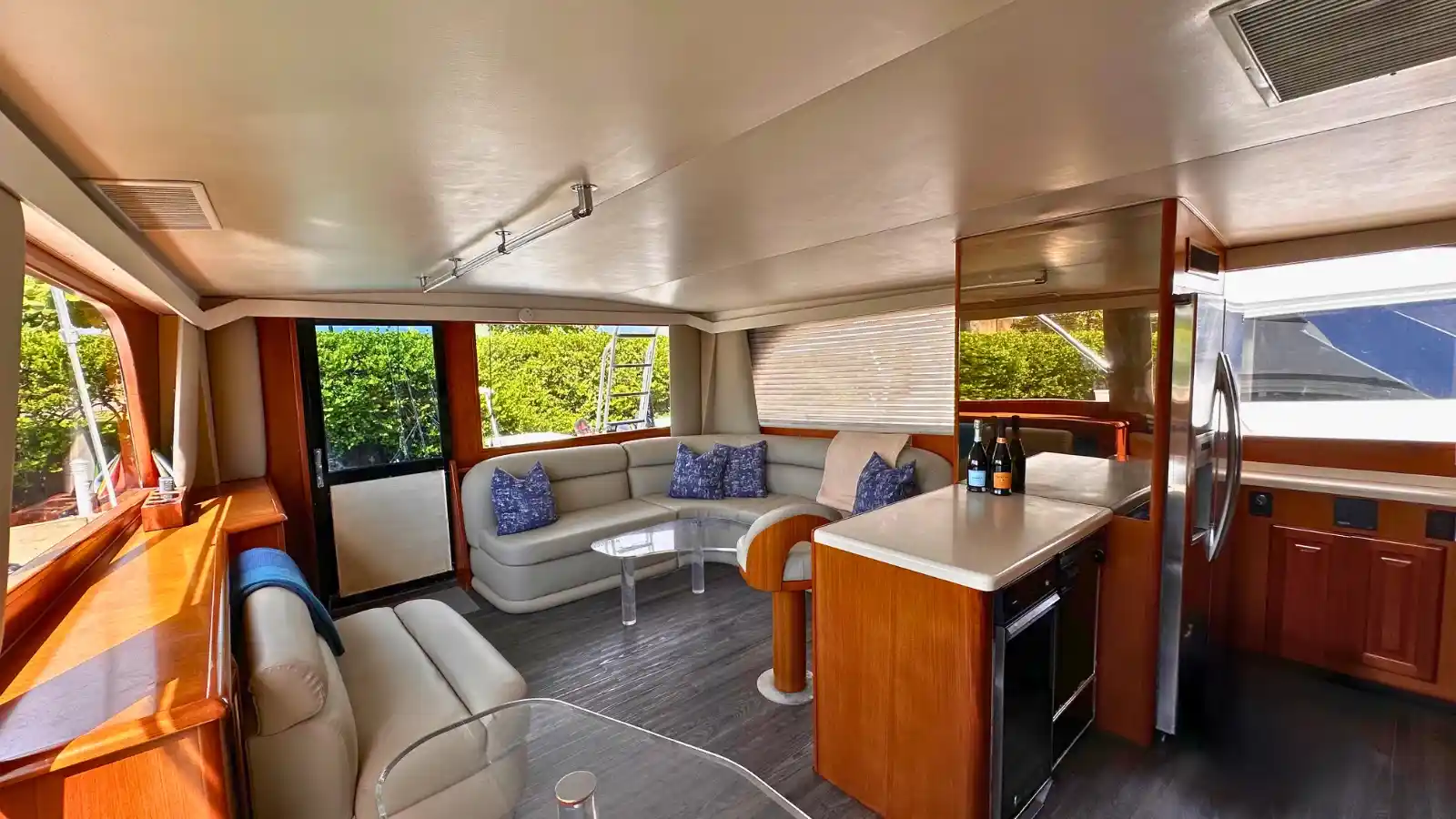
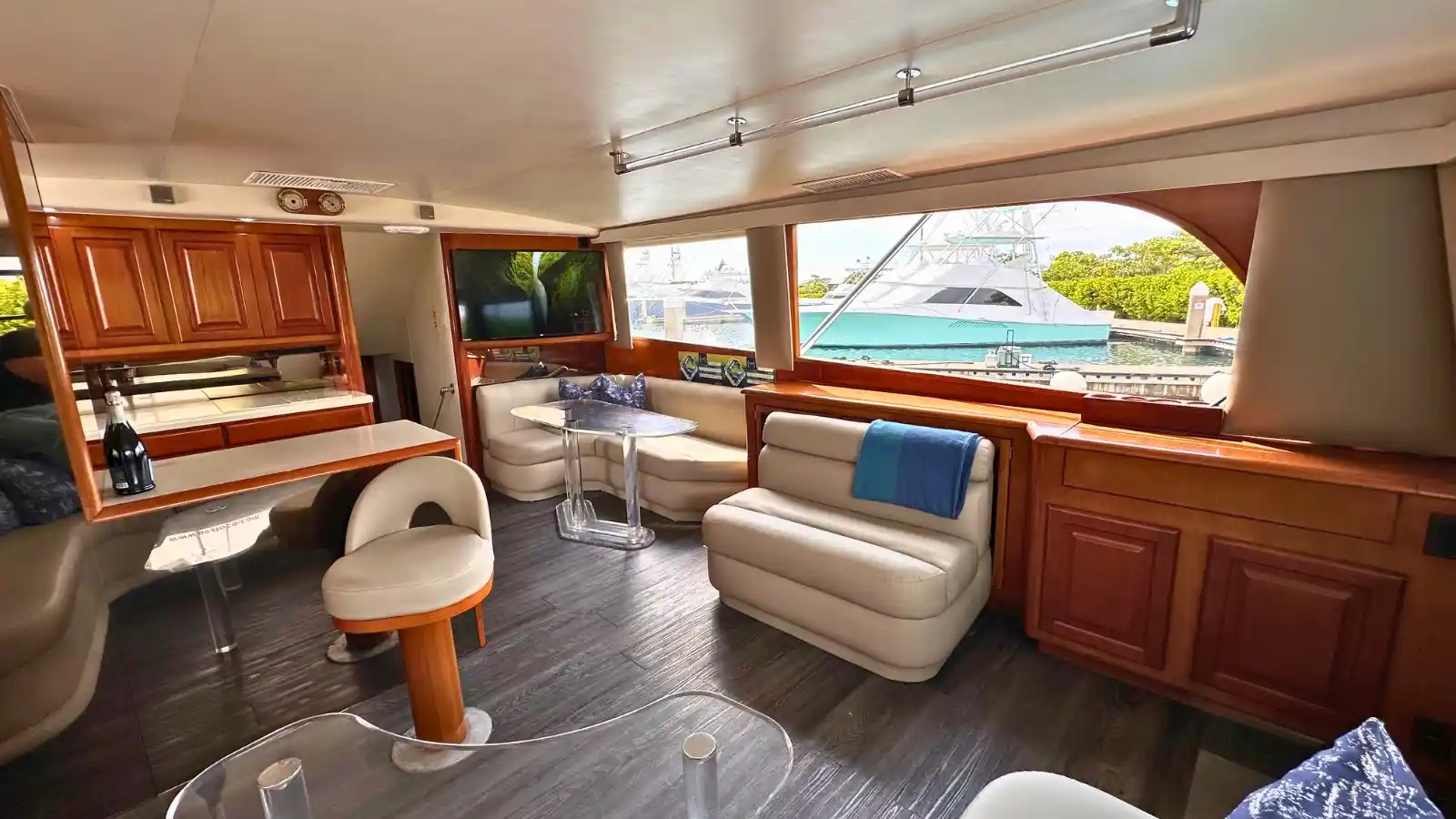
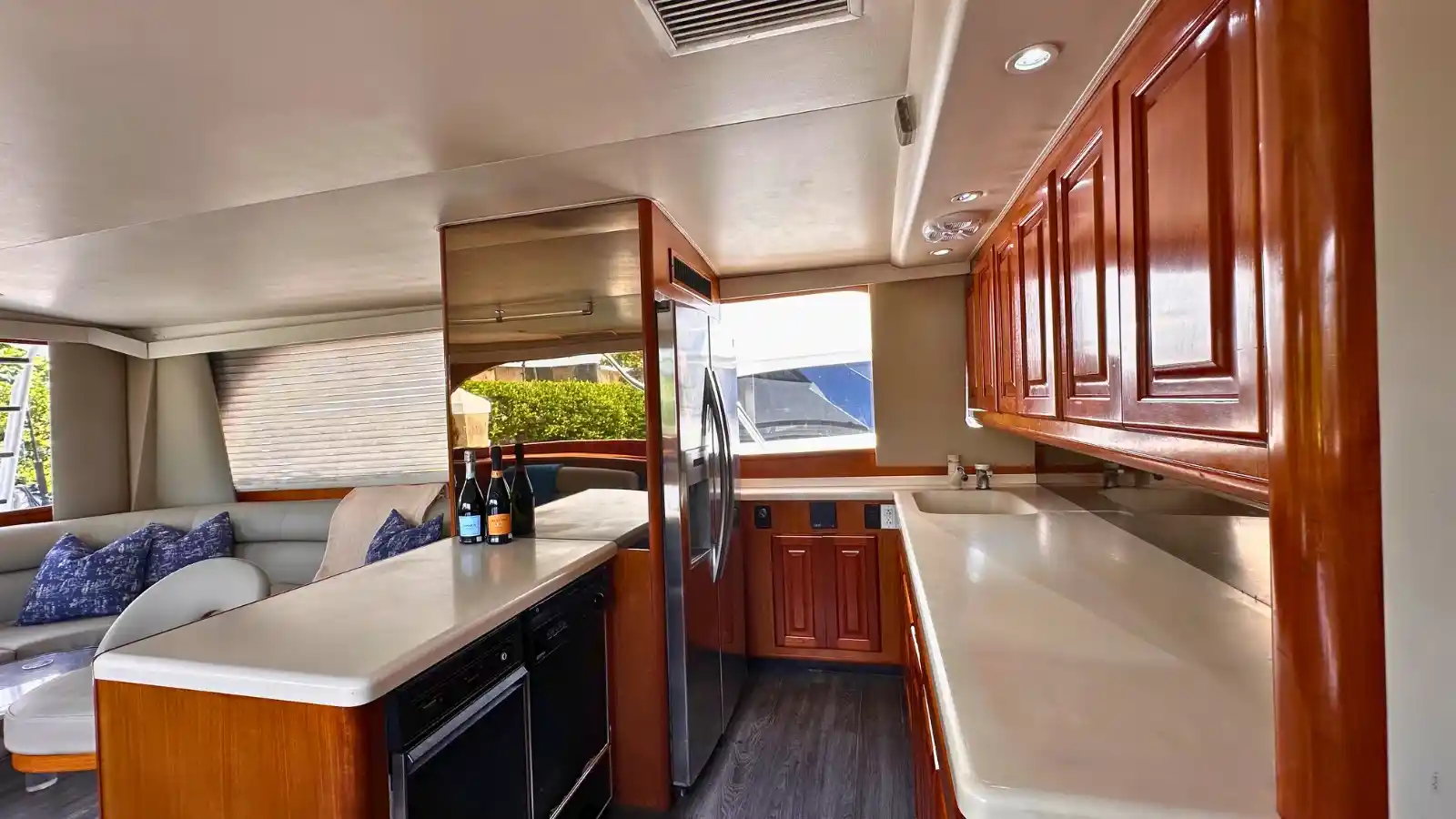
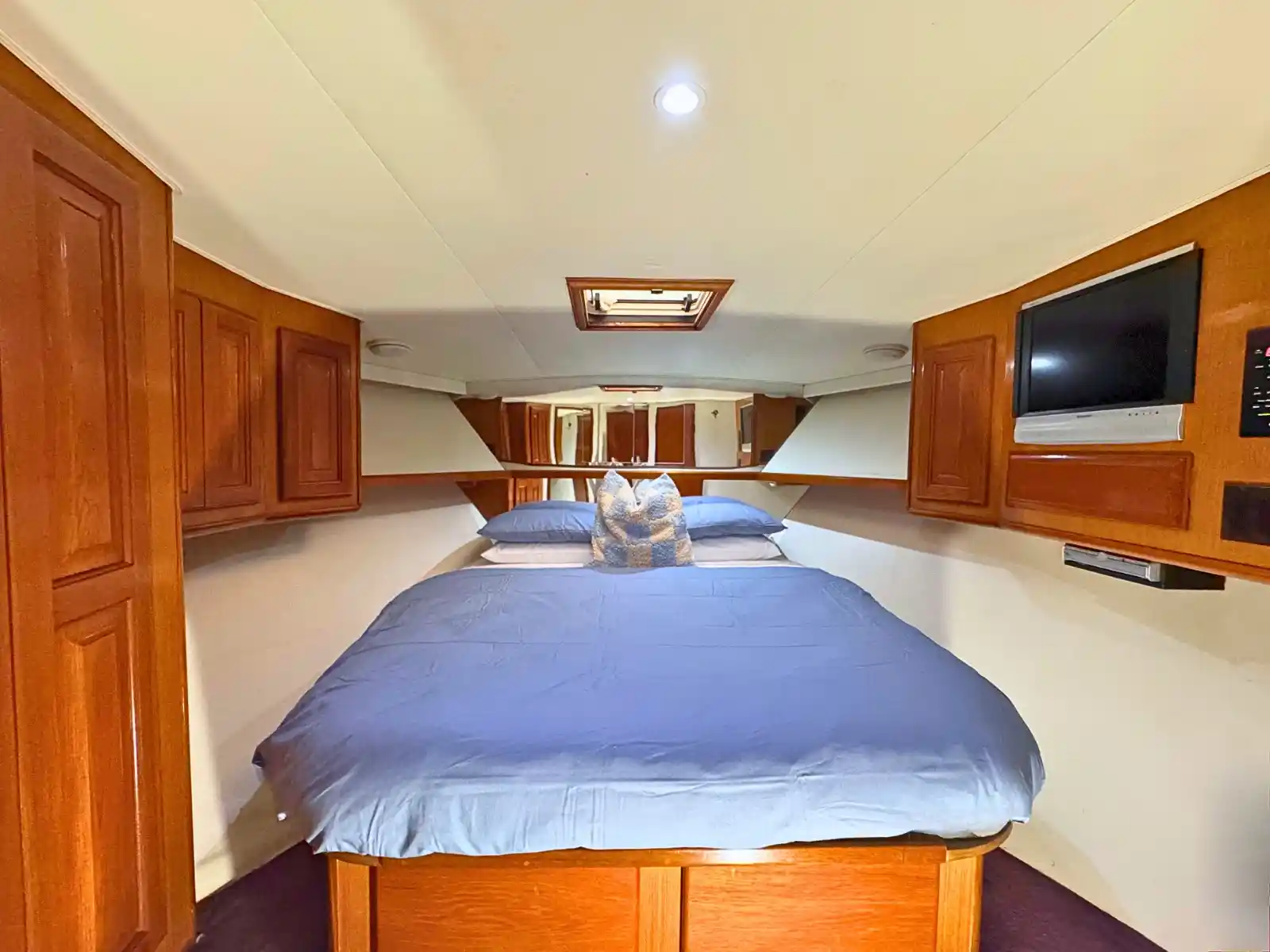
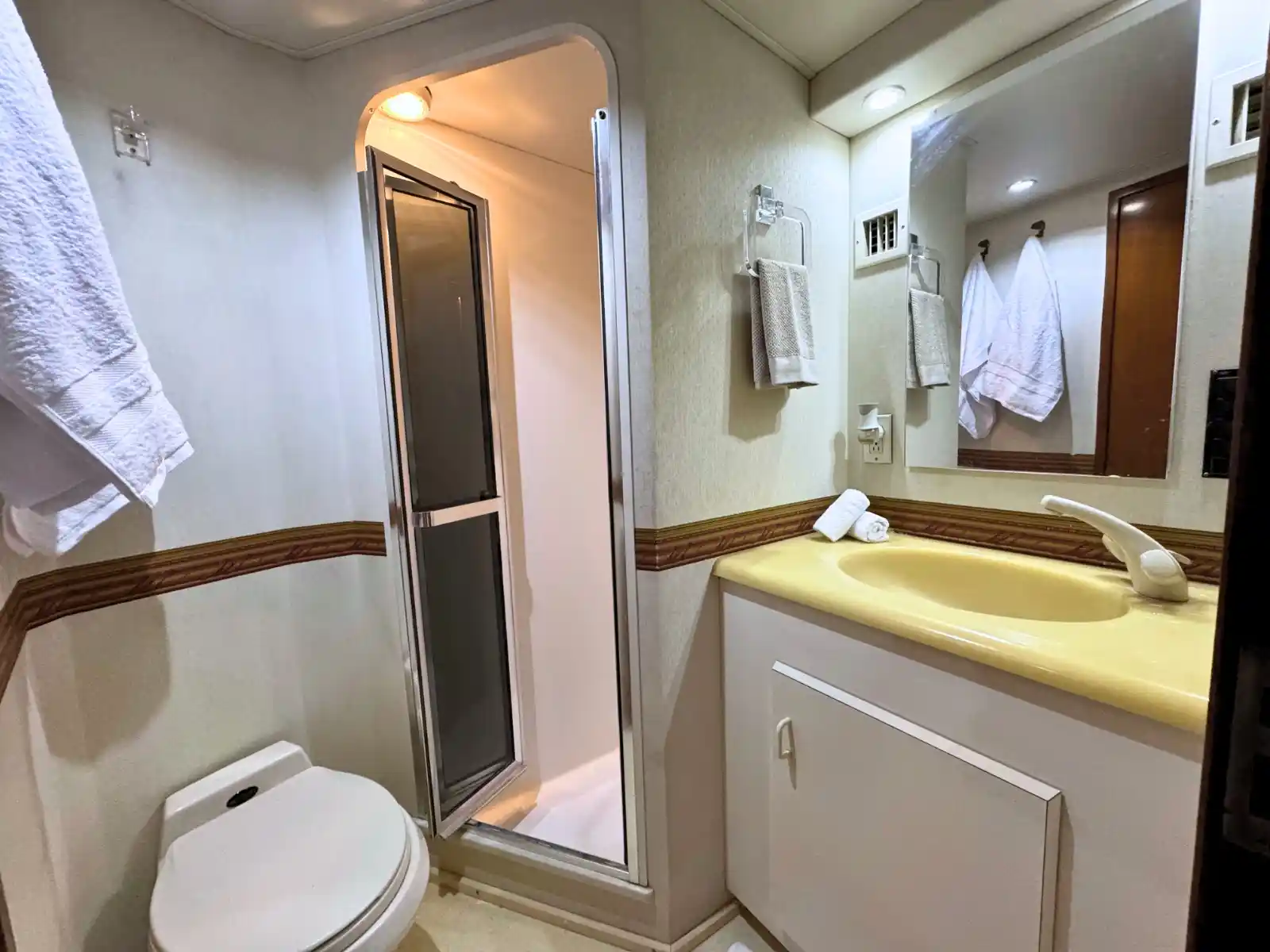
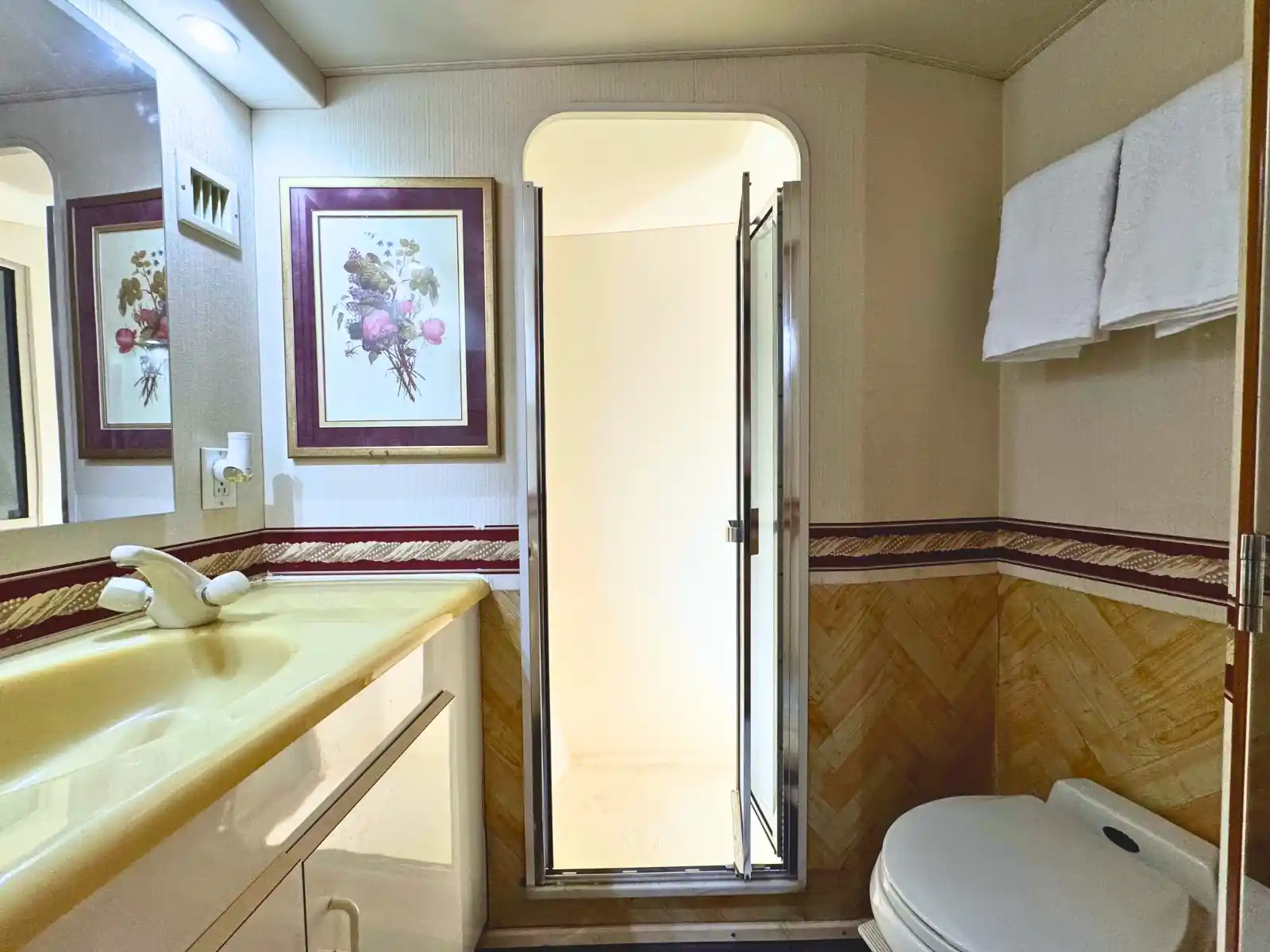
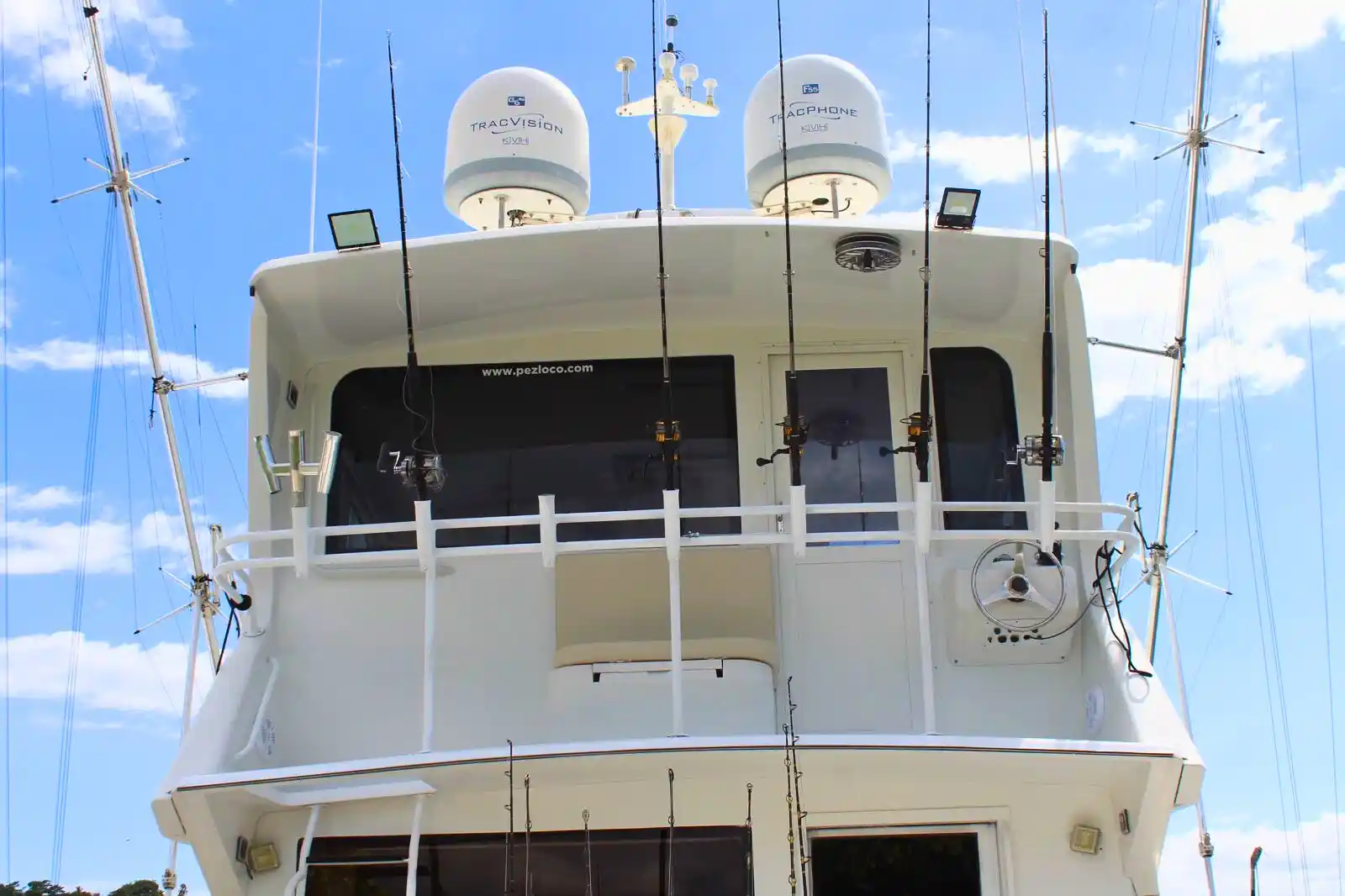
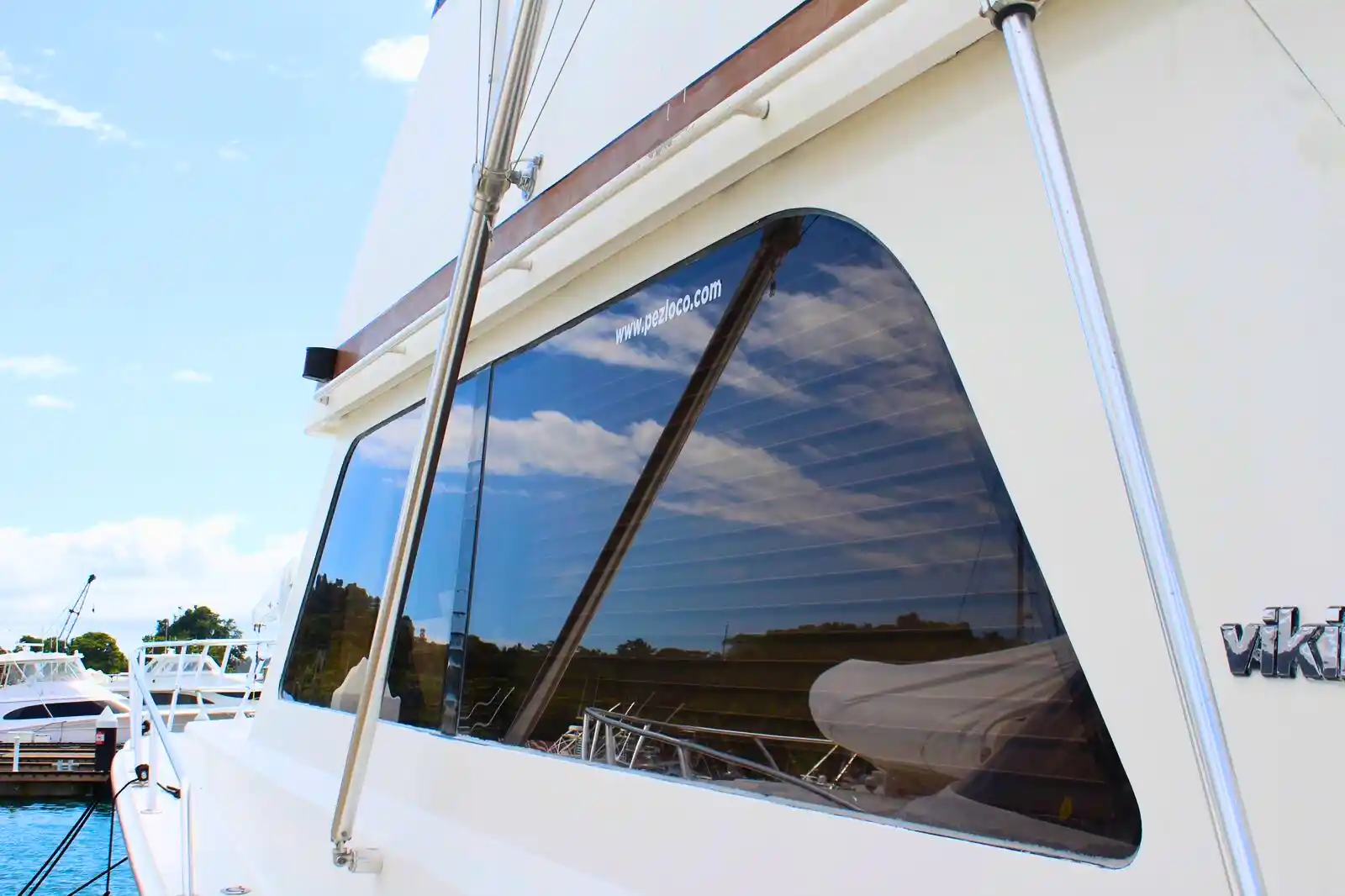
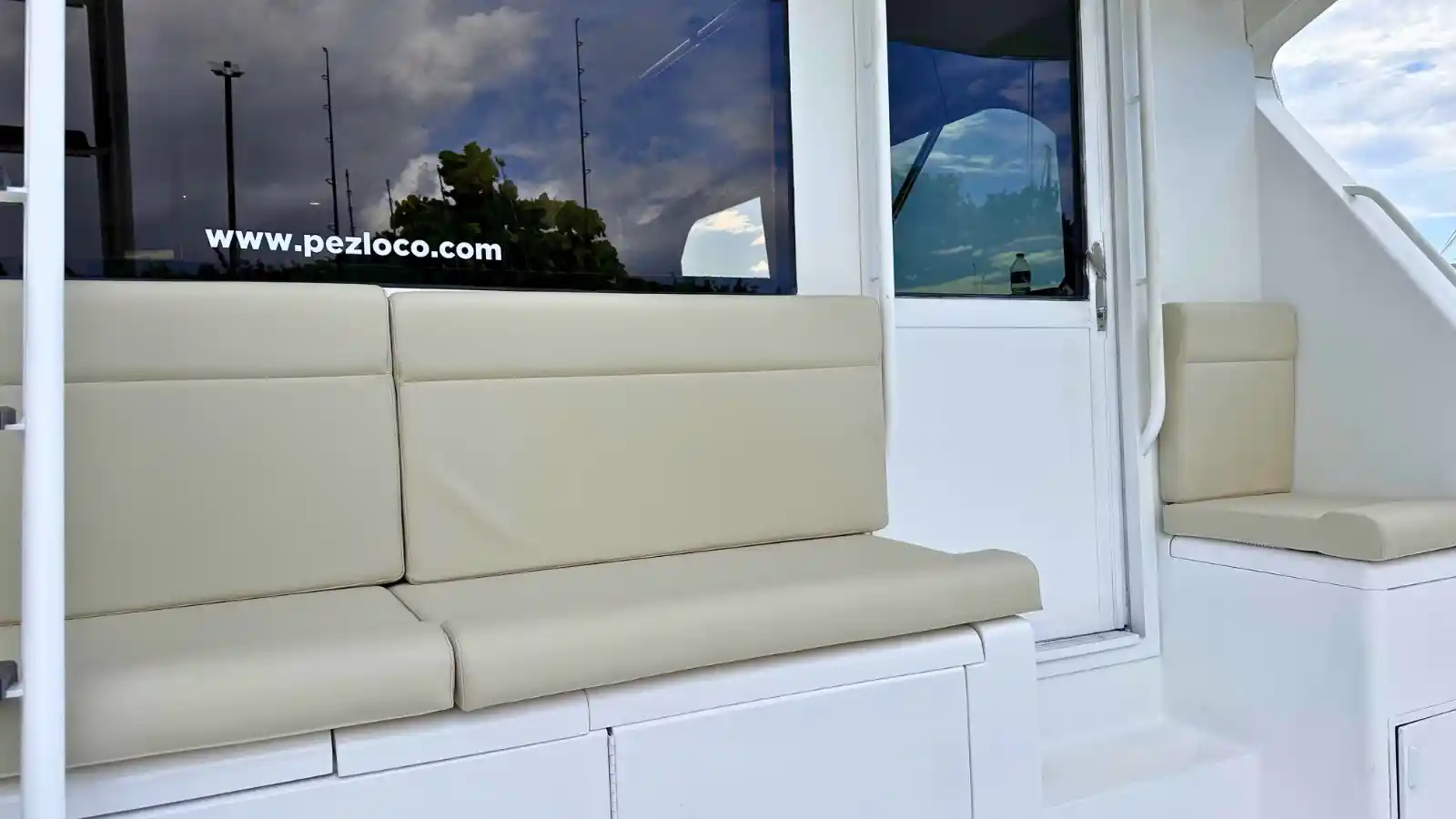
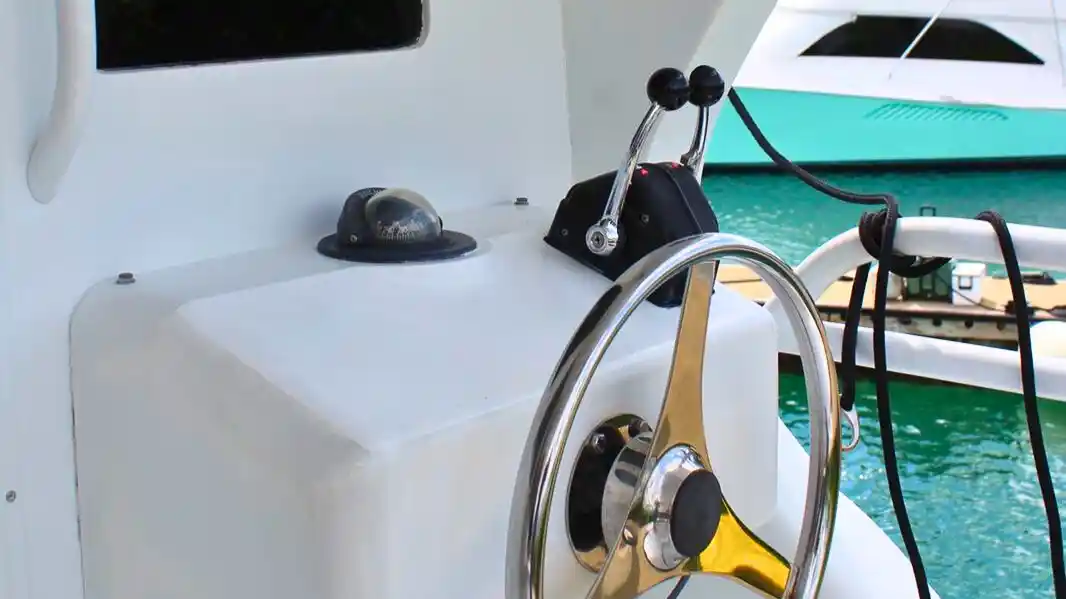
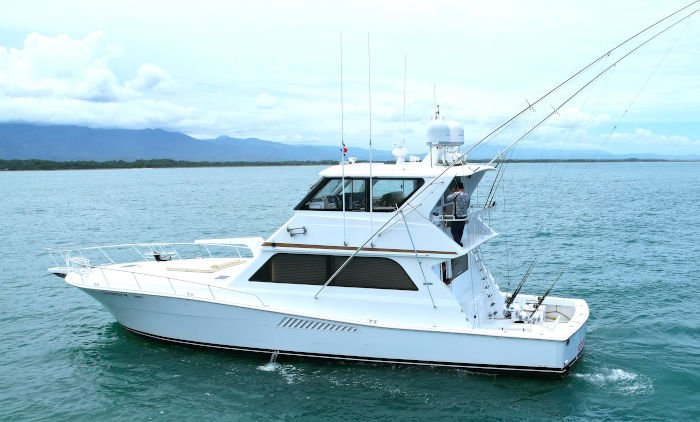
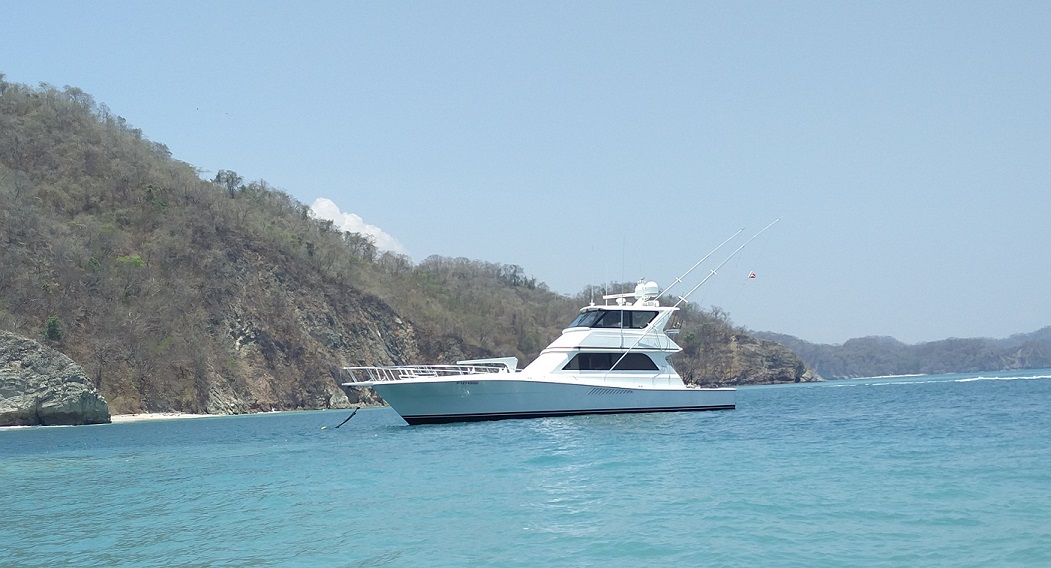
The 60-foot Viking Pez Loco has an enclosed air-conditioned bridge, an air-conditioned salon, and onboard bathrooms. Its full-day trips include breakfast, hot lunch, snacks, and drinks prepared by an experienced chef. Comfort matters when the day includes both active fishing and time underway.
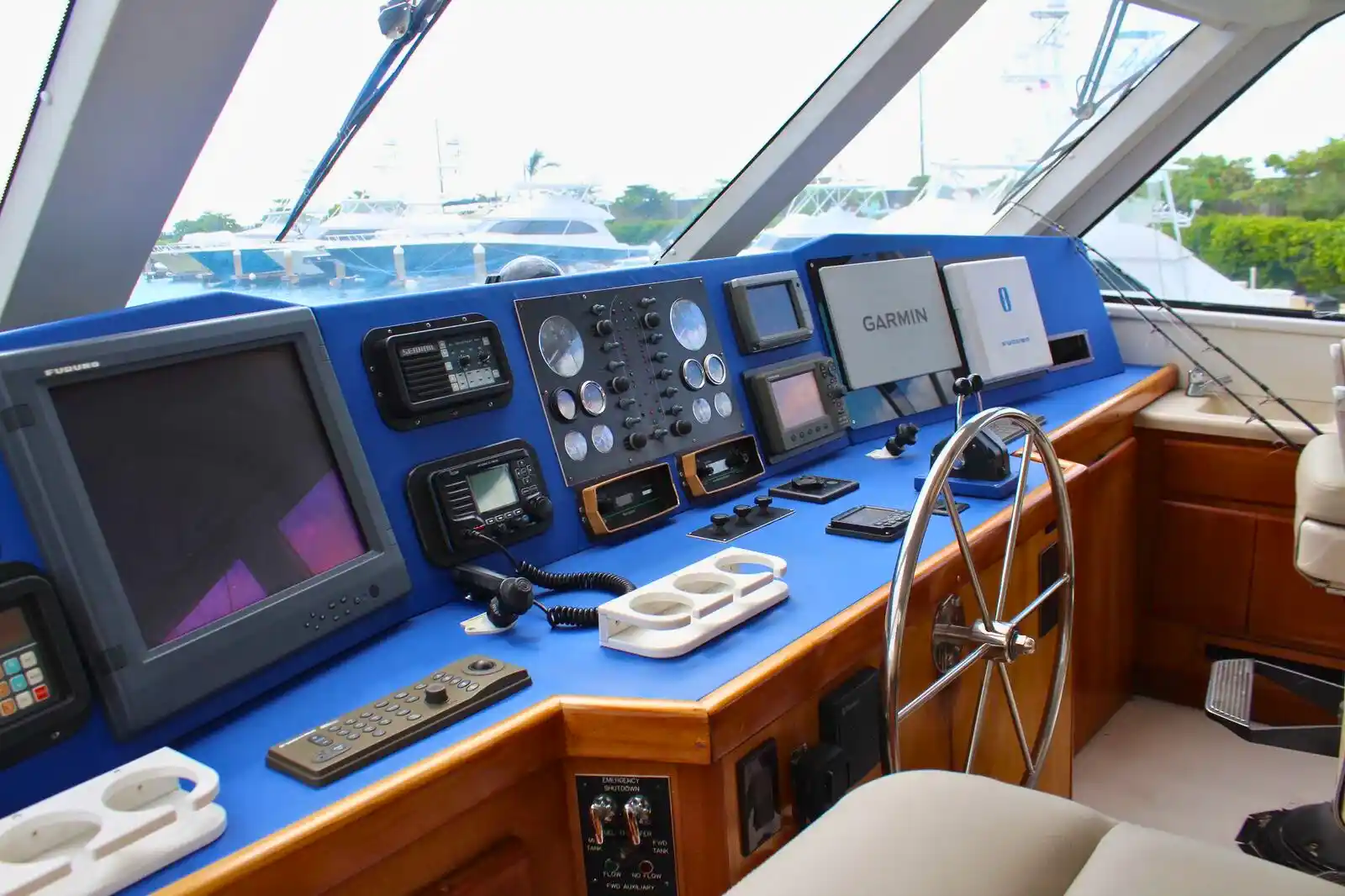
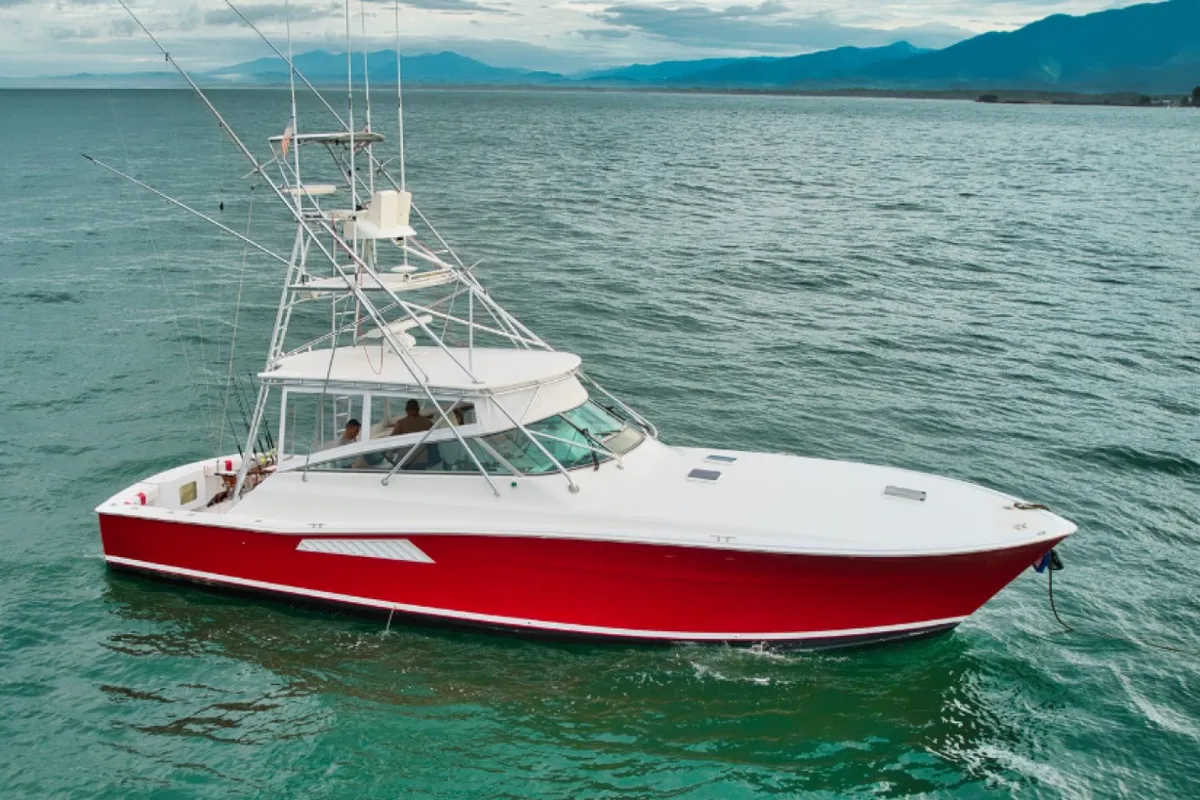
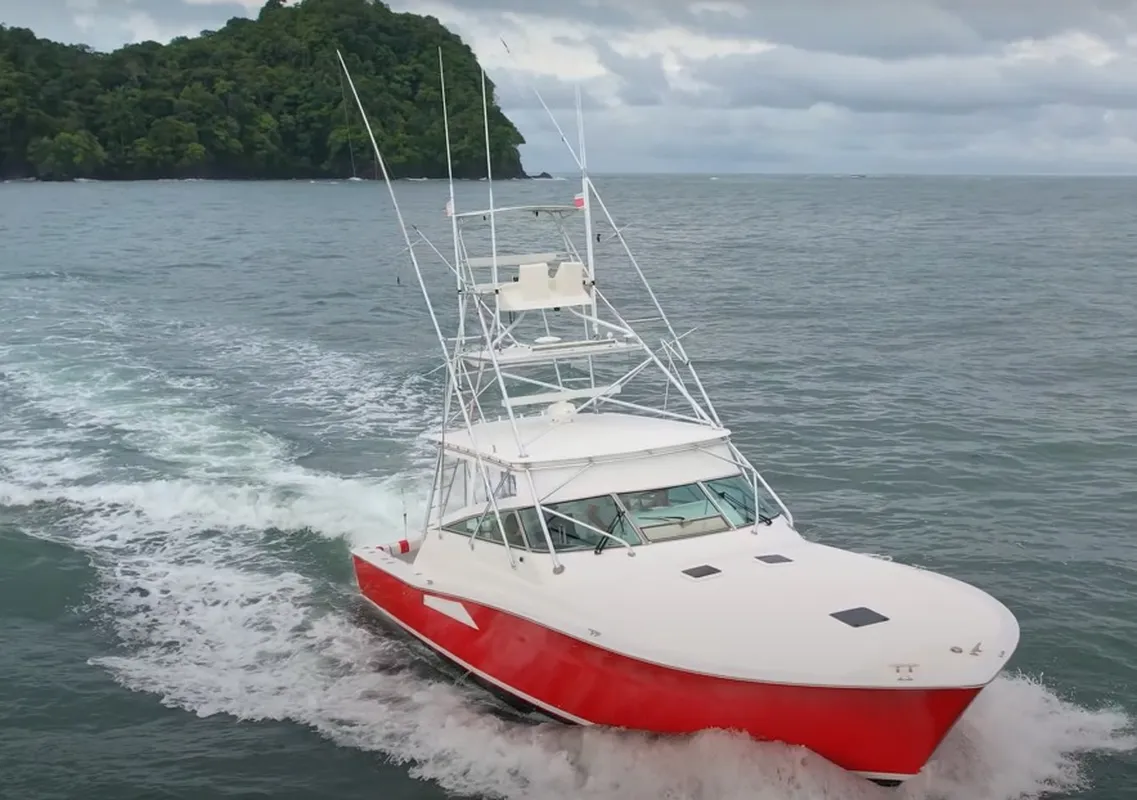
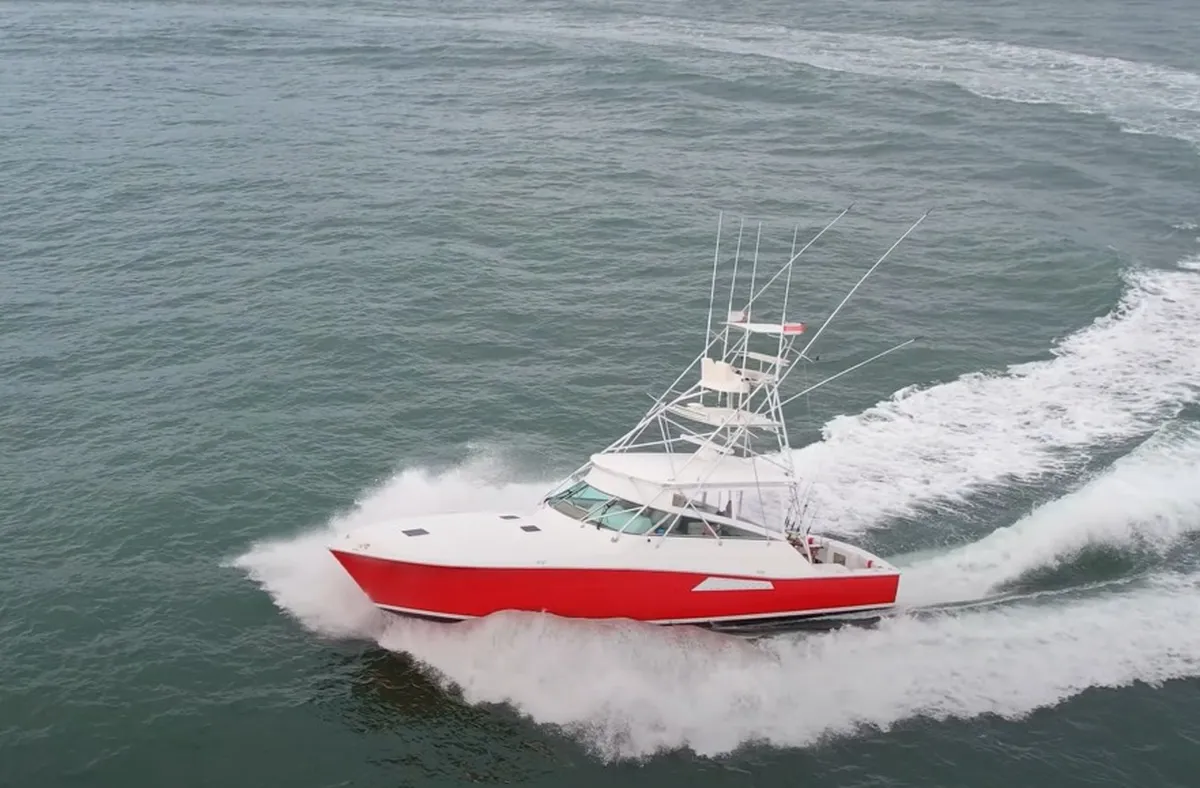
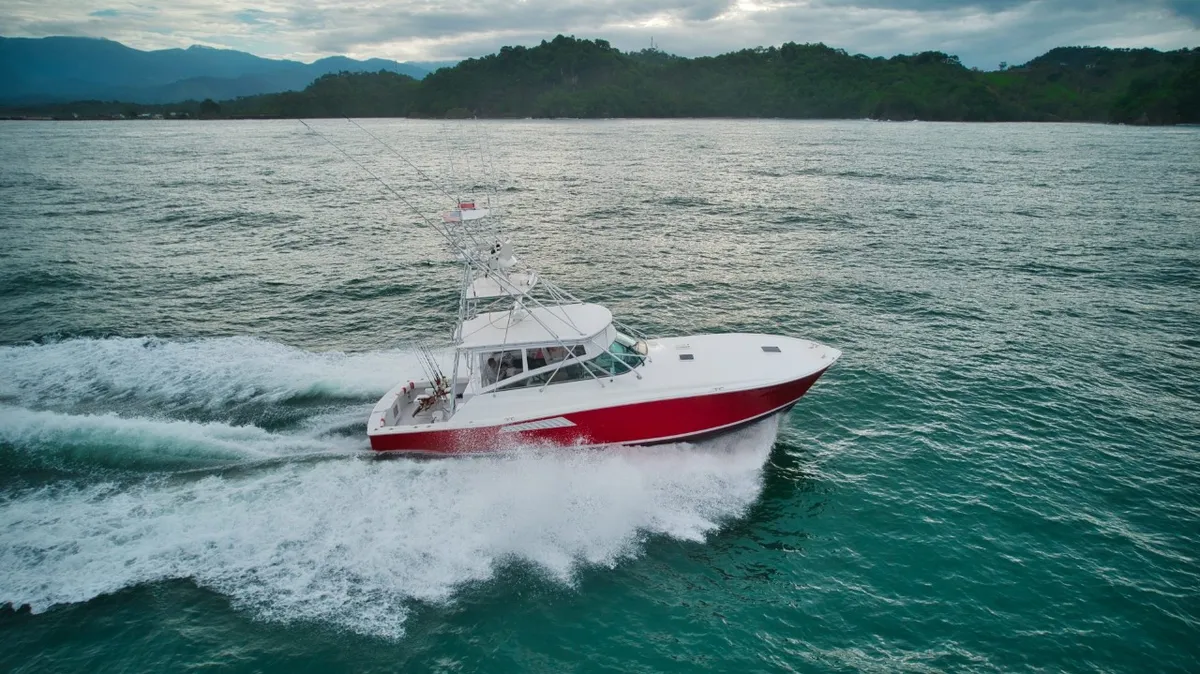
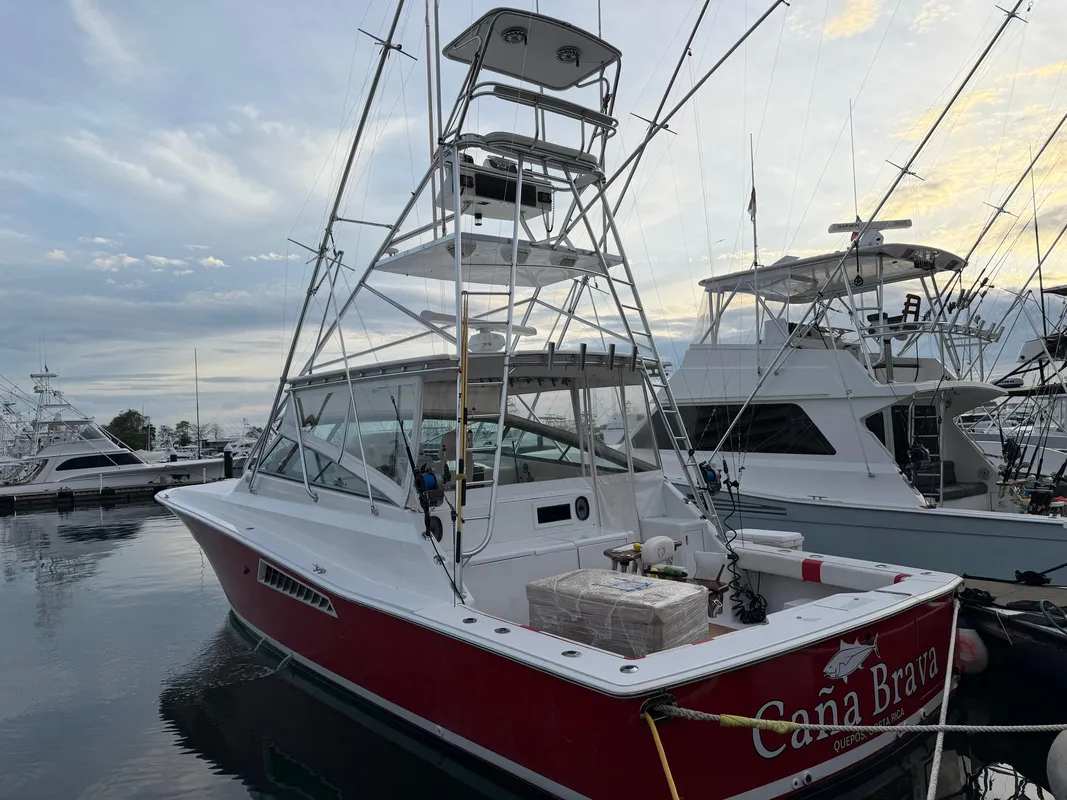
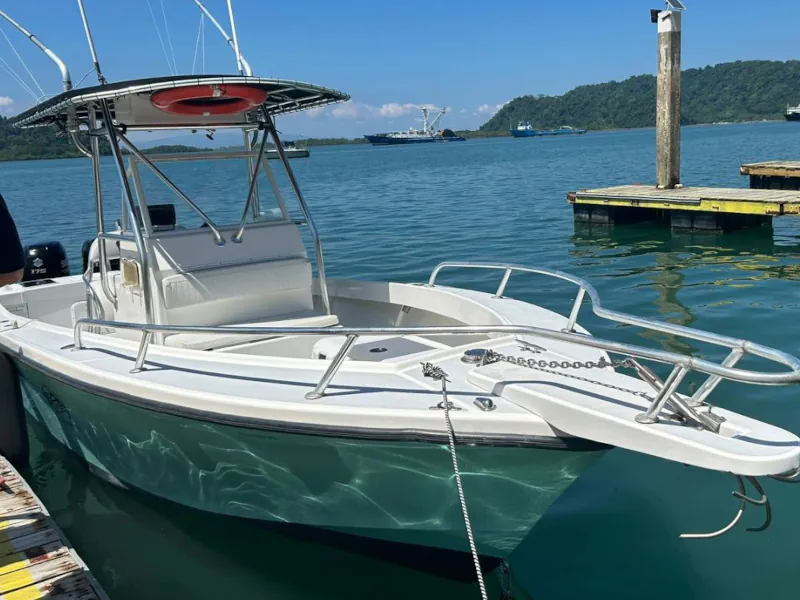
The fleet also includes the 43-foot Viking Express Caña Brava, another option to discuss with the team. Use the Pez Loco fleet information to start your questions, then confirm the actual vessel, amenities, and trip inclusions in your quote.
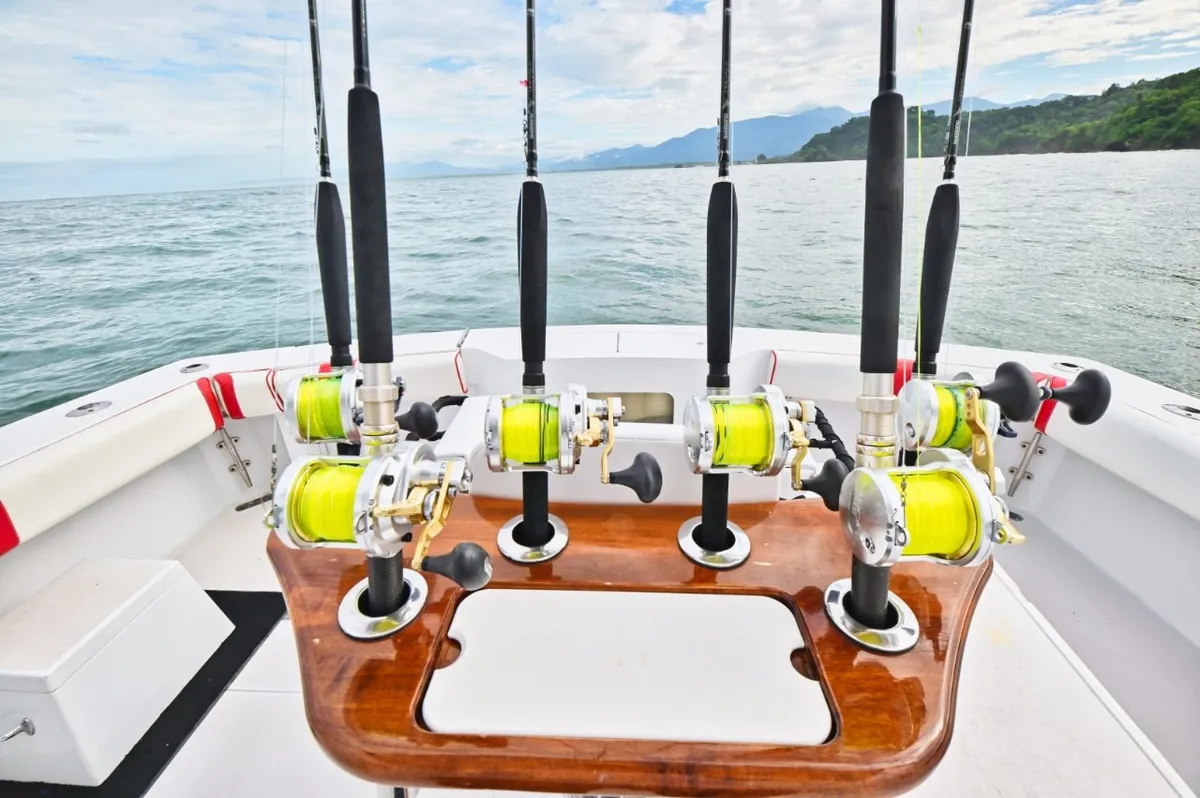
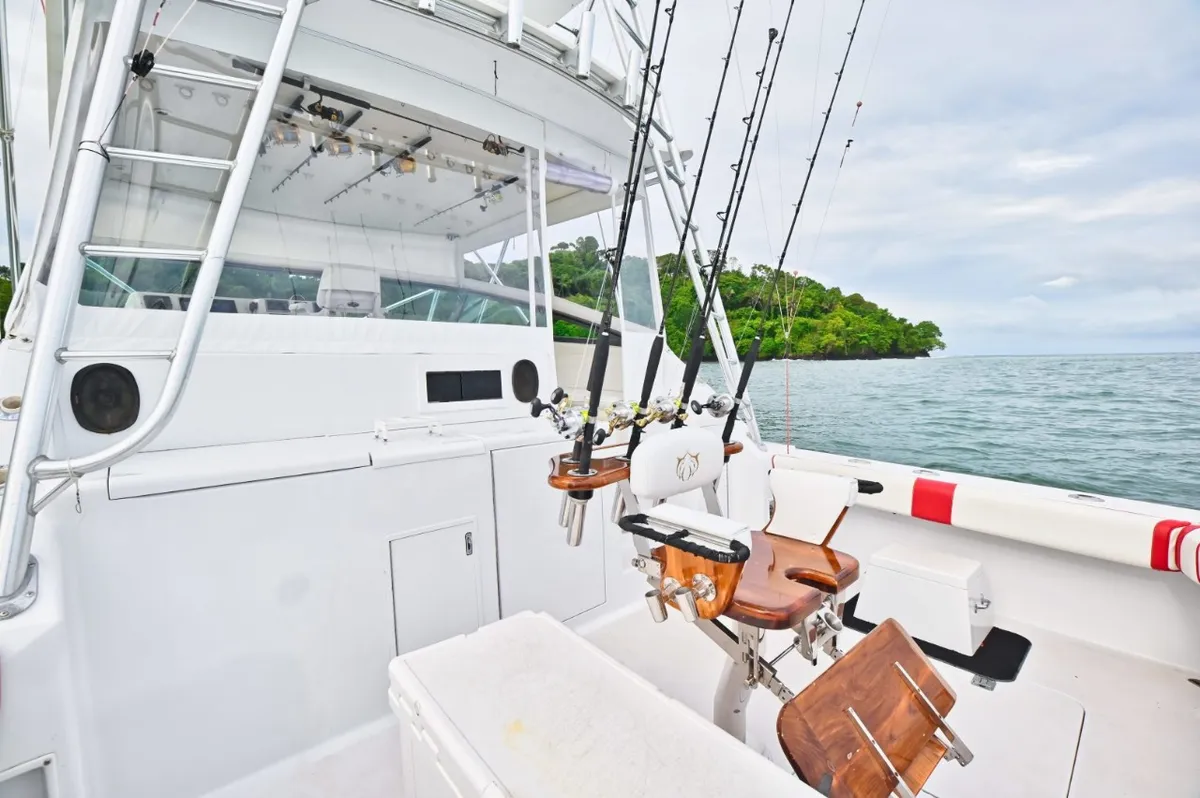
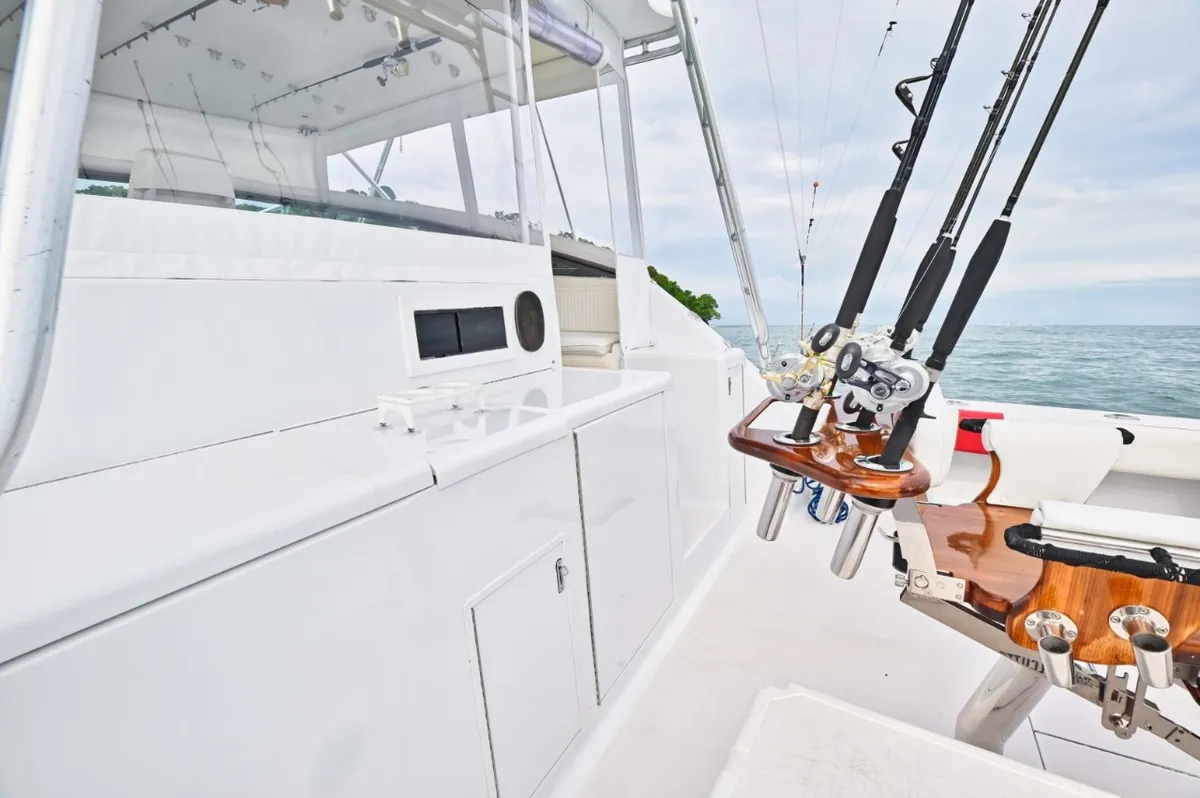
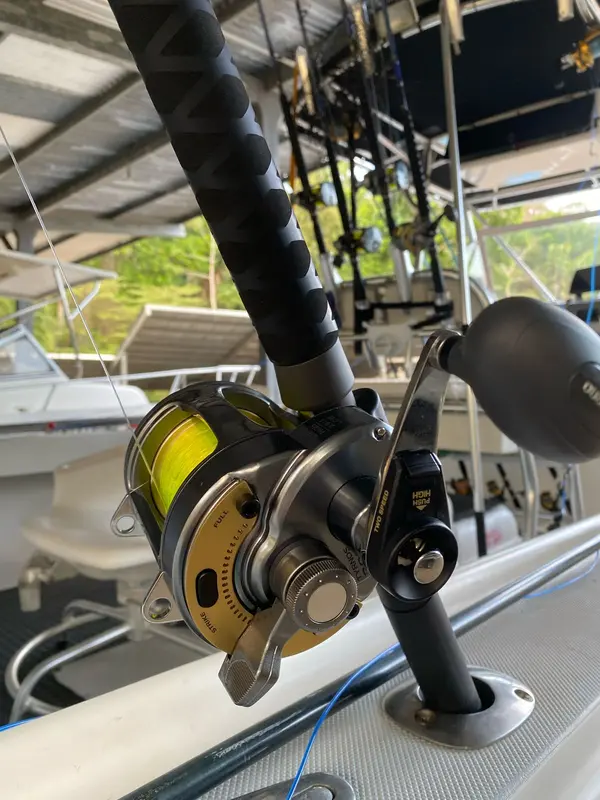
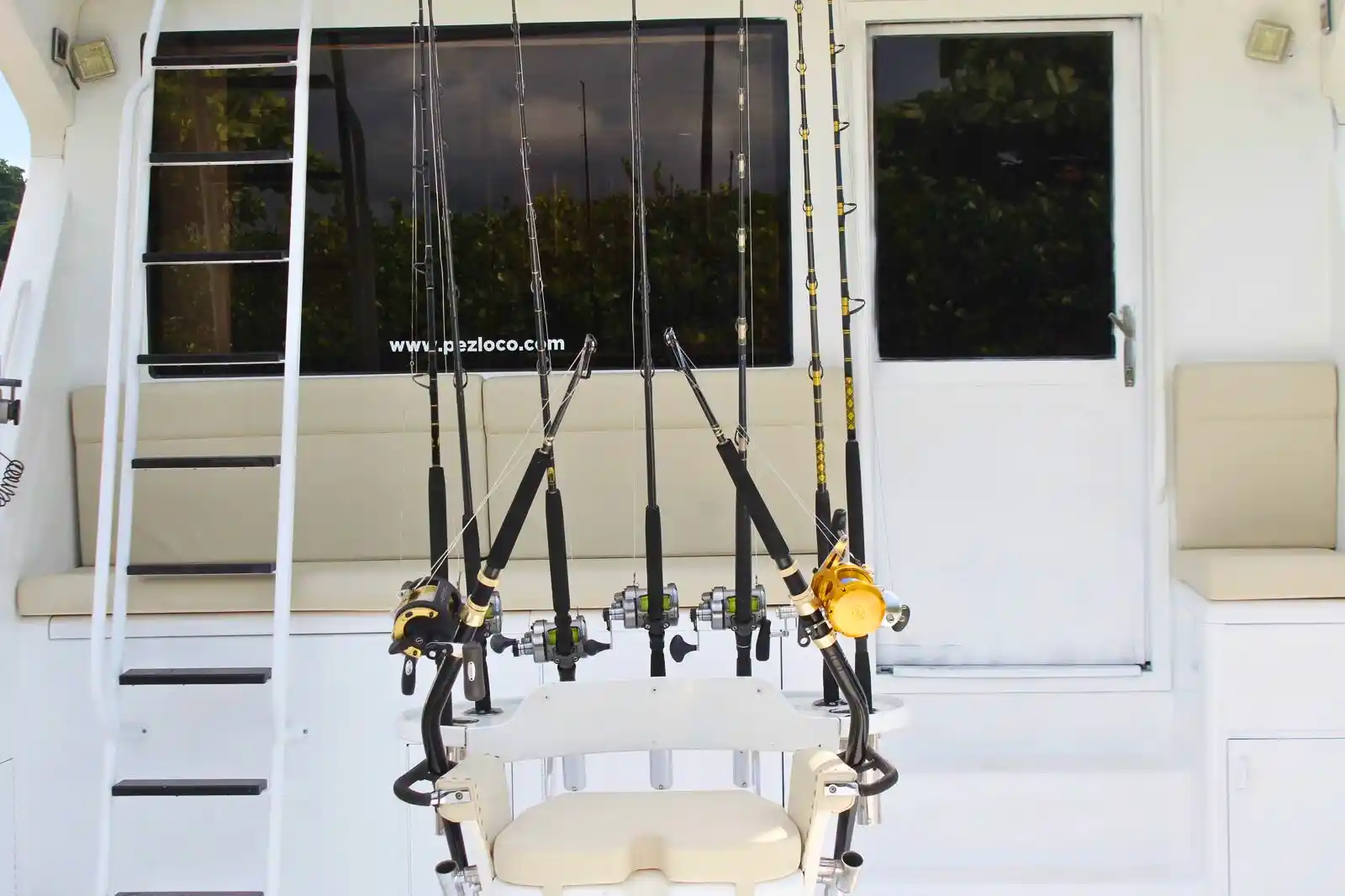
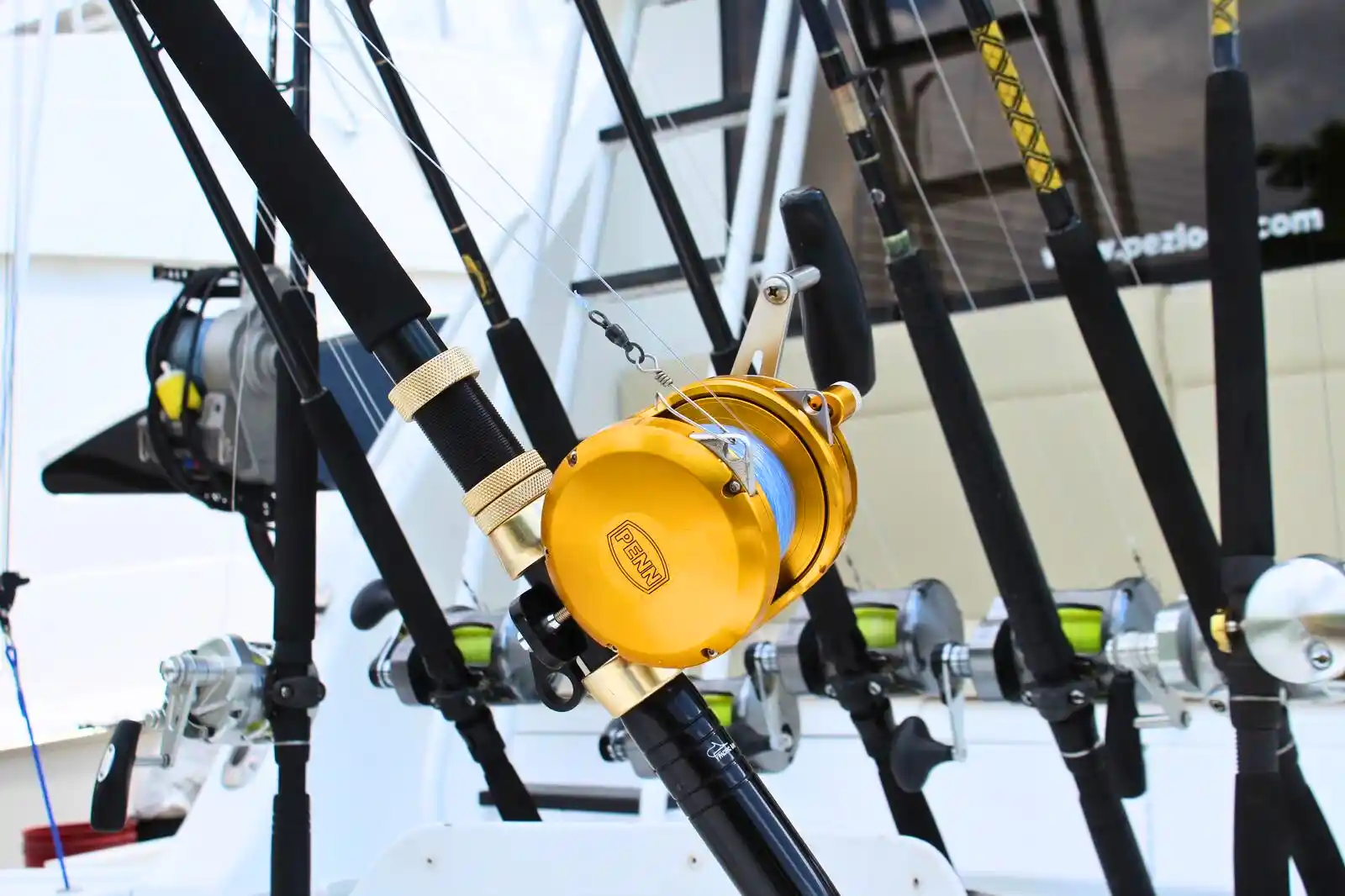
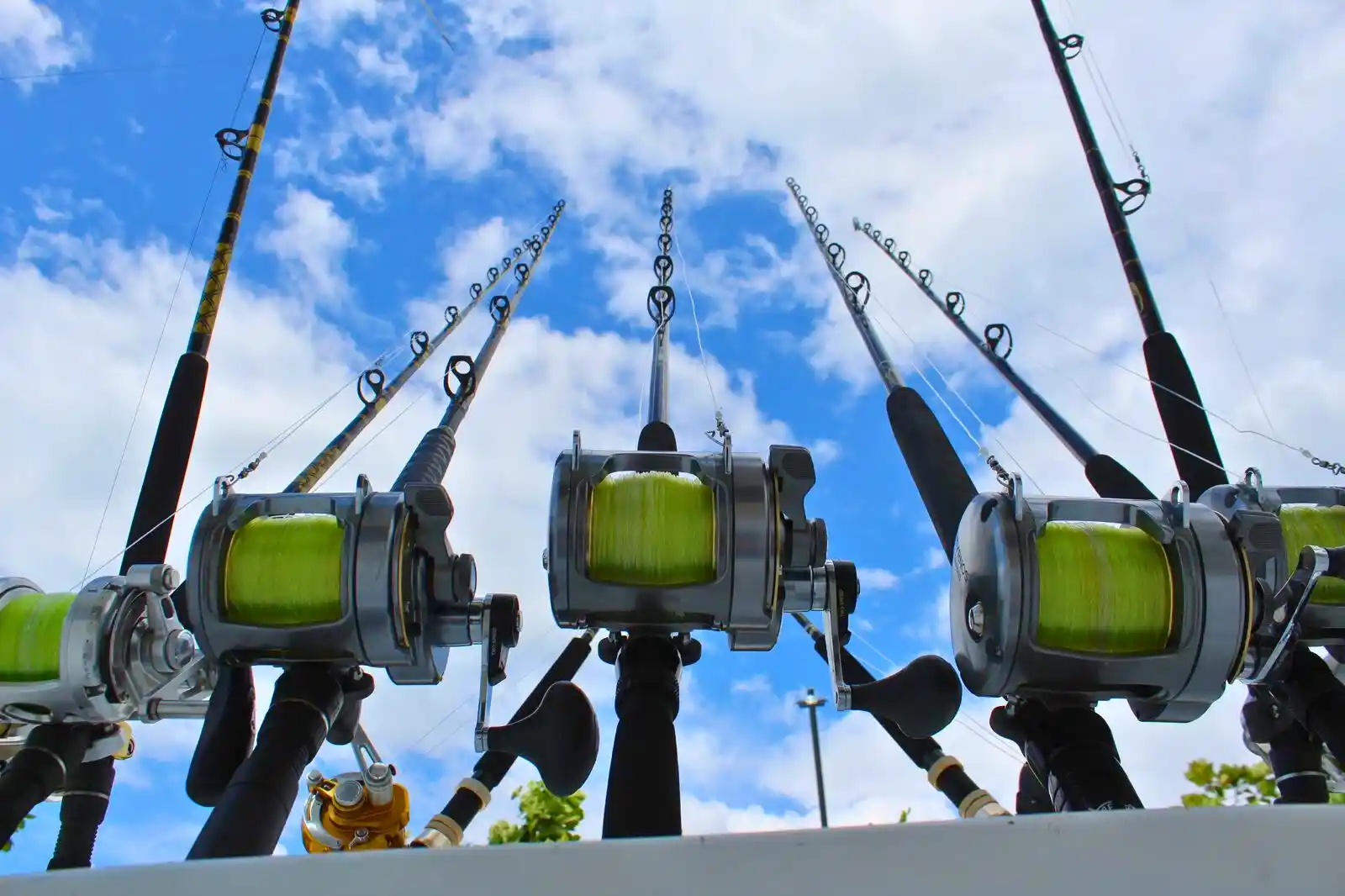
Ask how the captain may approach tuna under the conditions being found, what tackle is supplied, and how the crew will help anglers with different experience levels. Avoid treating one lure, bait, or piece of equipment as a guaranteed solution. Your crew should choose the fishing setup and explain your role.
There is no need to book an overnight expedition simply because yellowfin is your target. Discuss an appropriate offshore day first; an extended trip is a separate program with different arrangements. If you are still deciding whether offshore fishing suits the group, read our inshore and offshore charter comparison.

Make yellowfin your fishing priority
Share your dates, group size, and fishing experience. Ask the Pez Loco team which available boat and offshore program suit a tuna-focused day.
Prepare for the fight without choosing a trophy weight
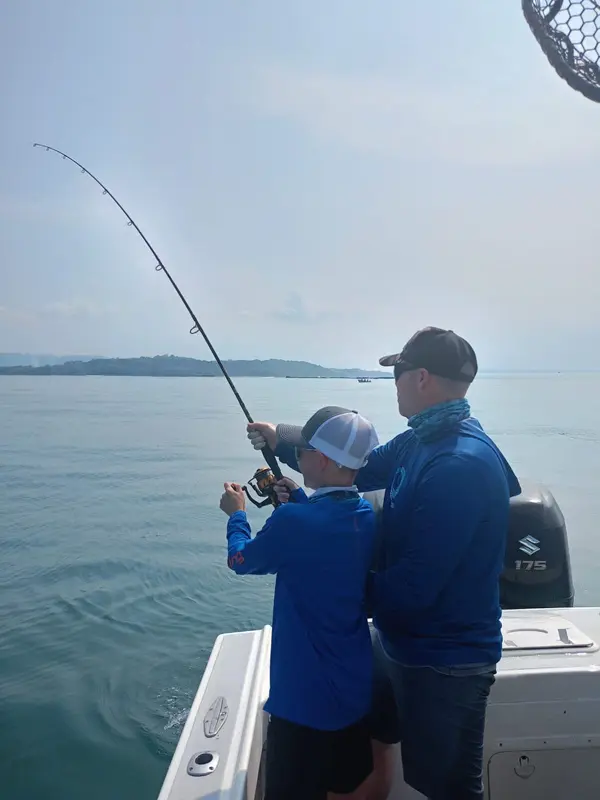
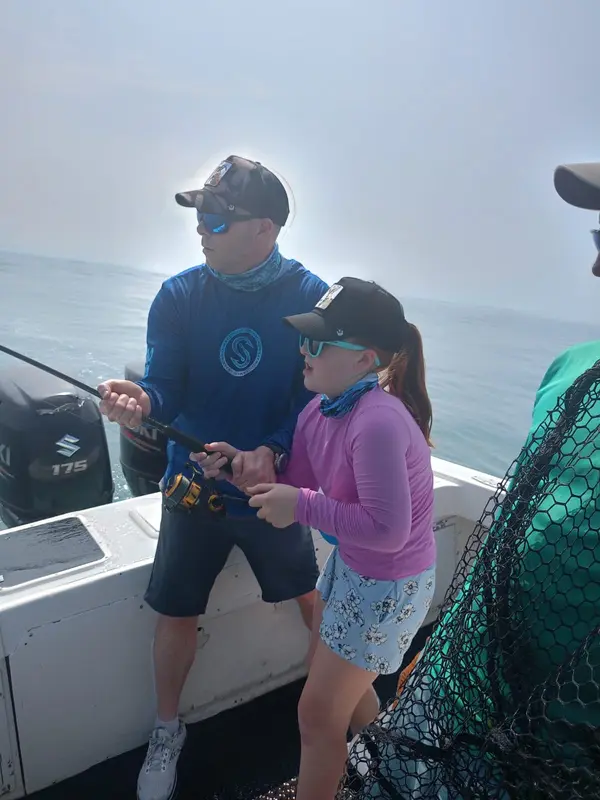
Tell the crew about your fishing experience and any limits on how you want to participate. Ask for the briefing before action starts: where to stand, when to handle a rod, and how to follow the mate’s instructions. A guest’s role depends on the tackle, conditions, and fish being fought.
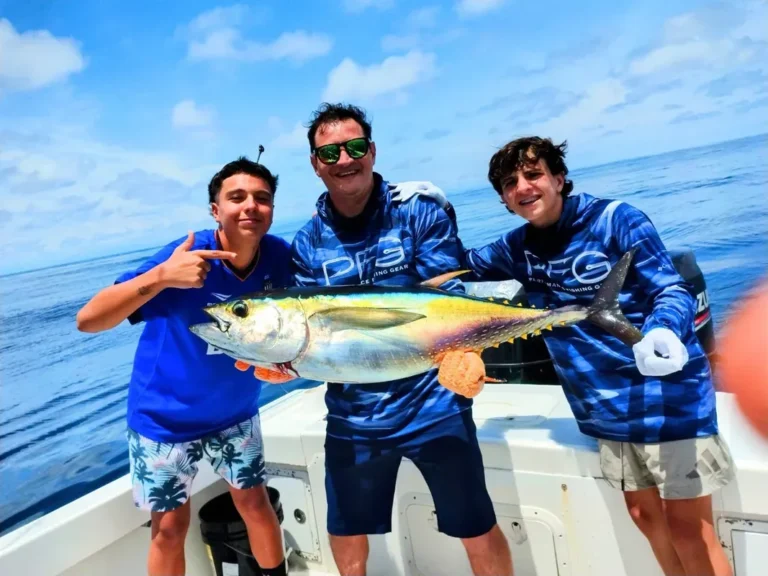
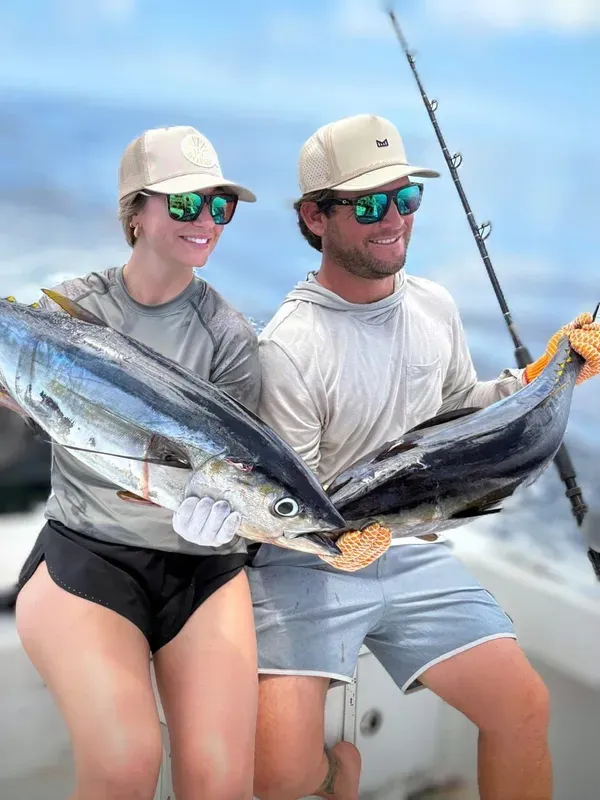
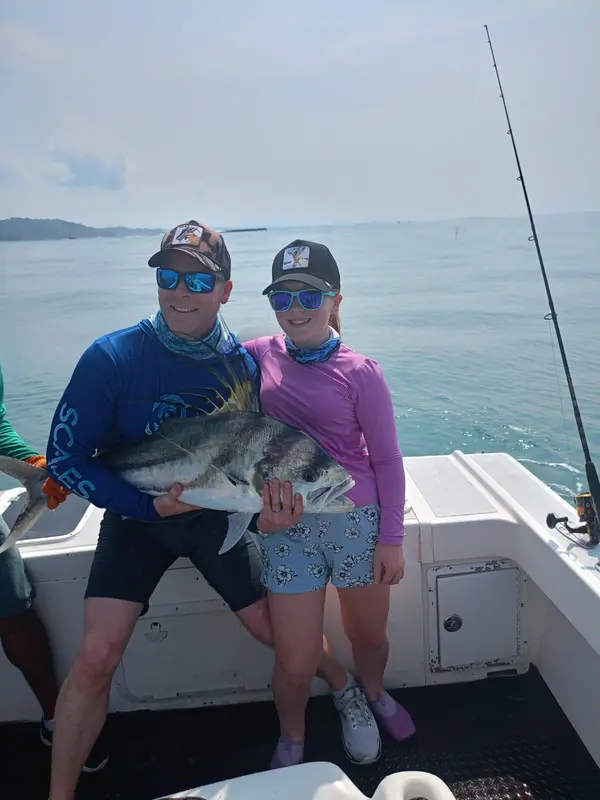
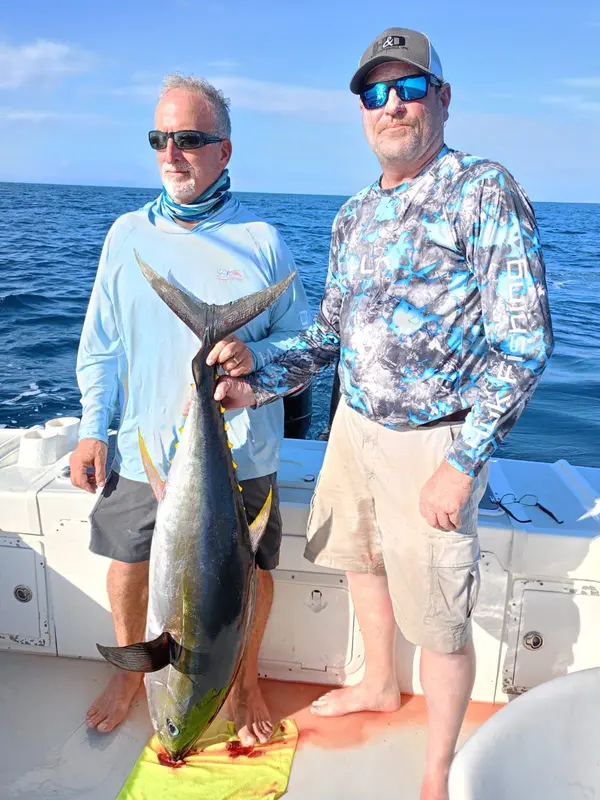
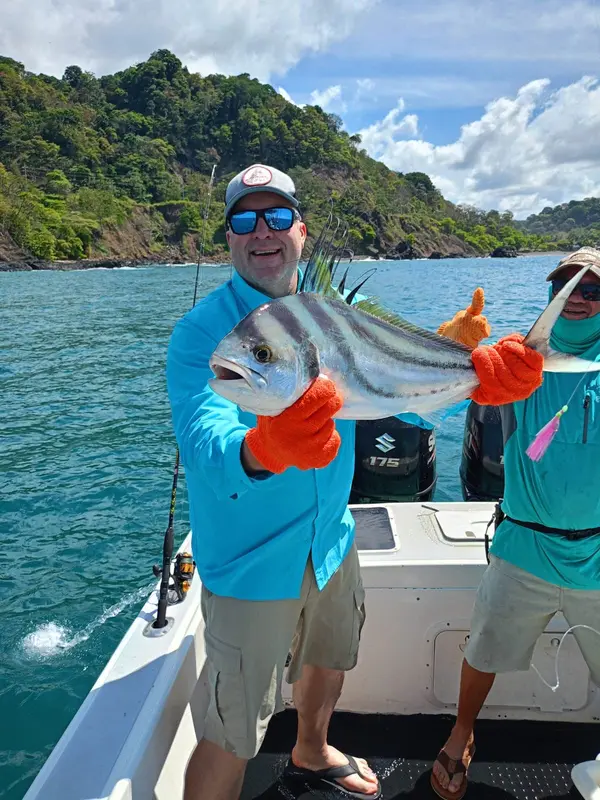
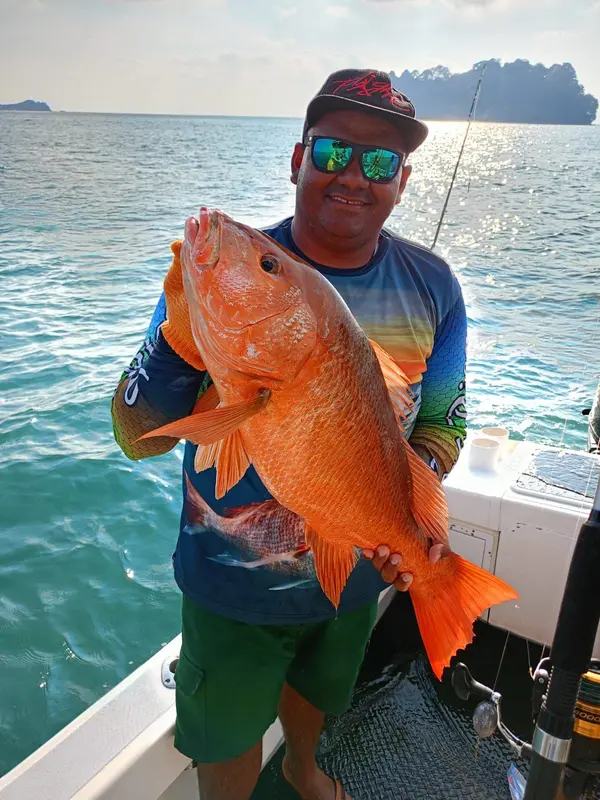
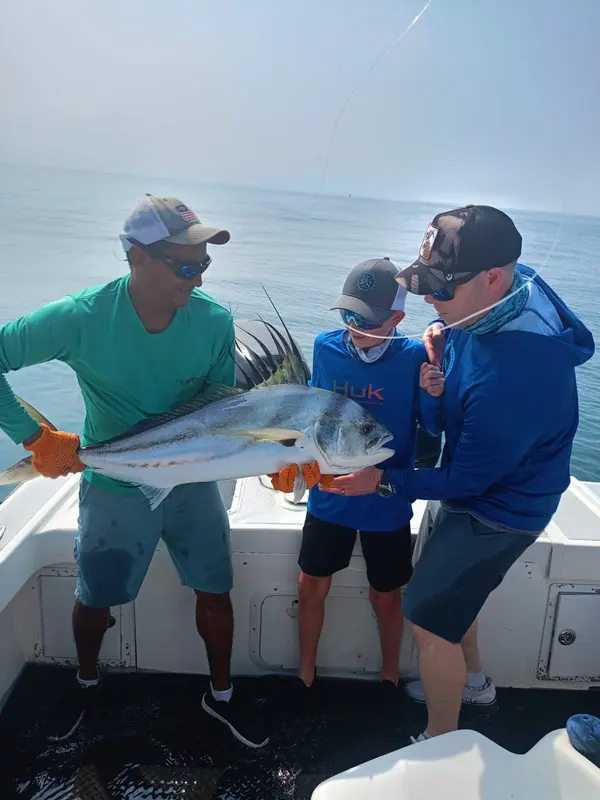
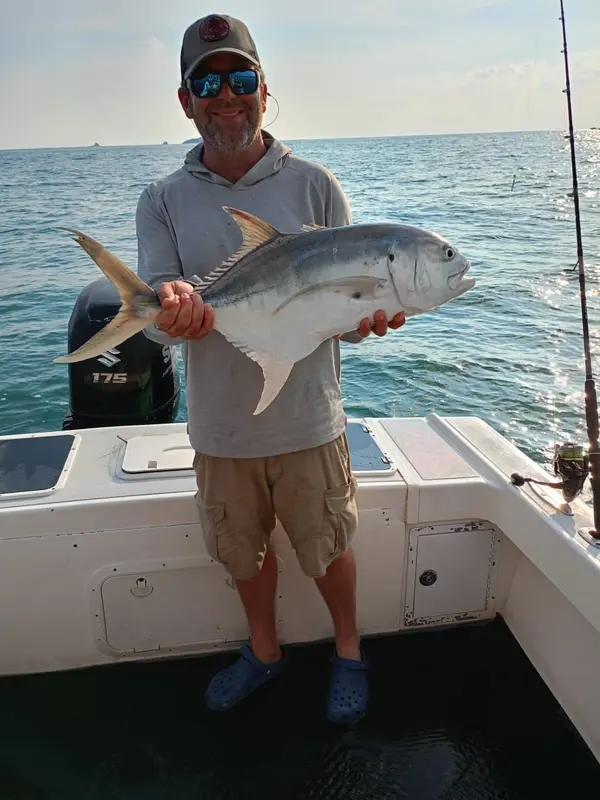
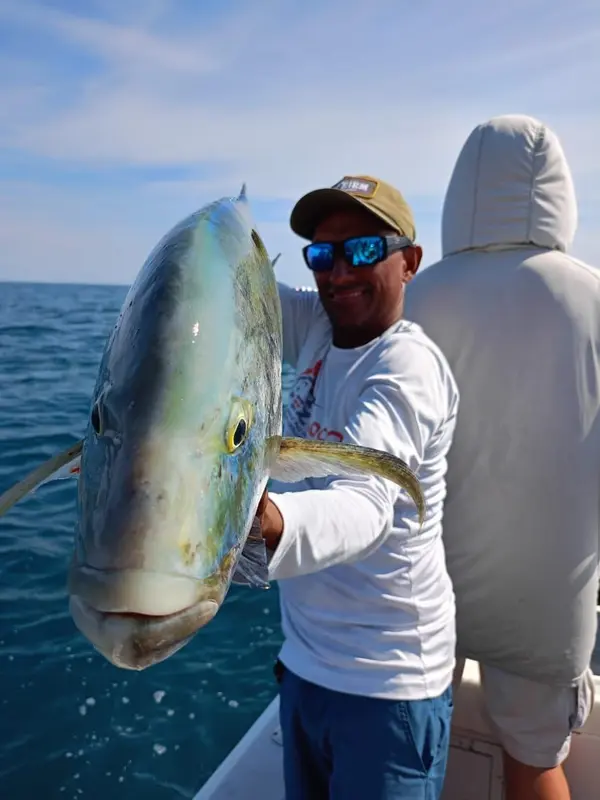
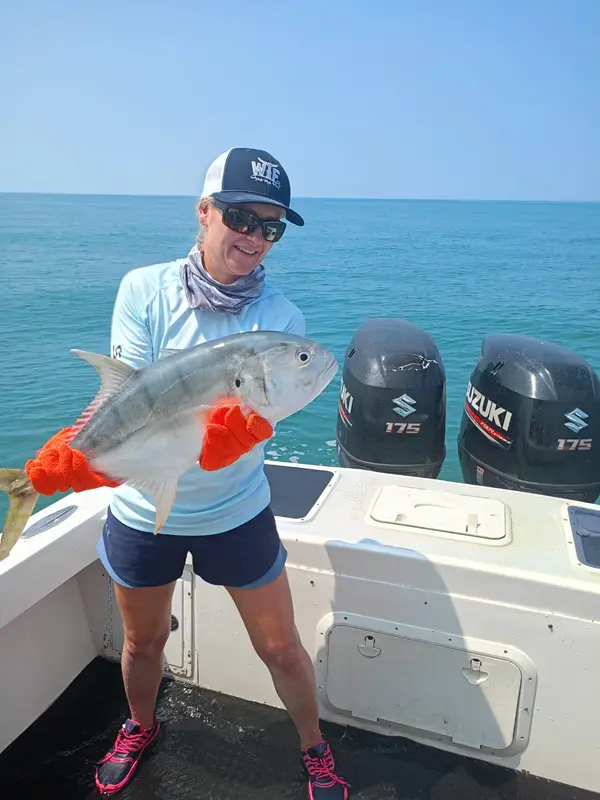
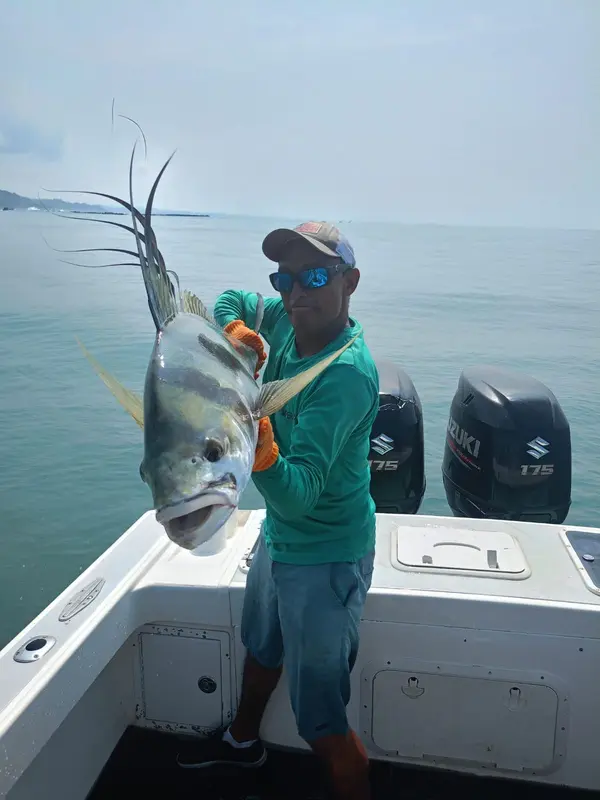
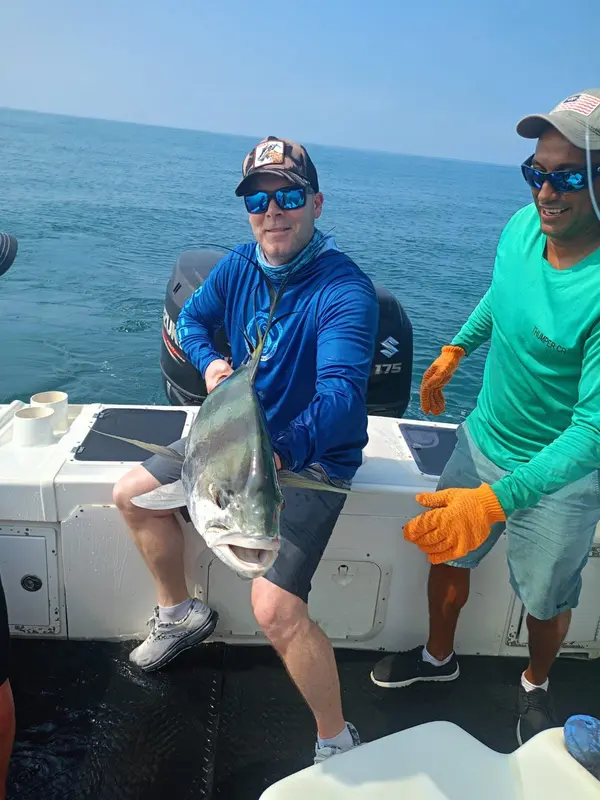
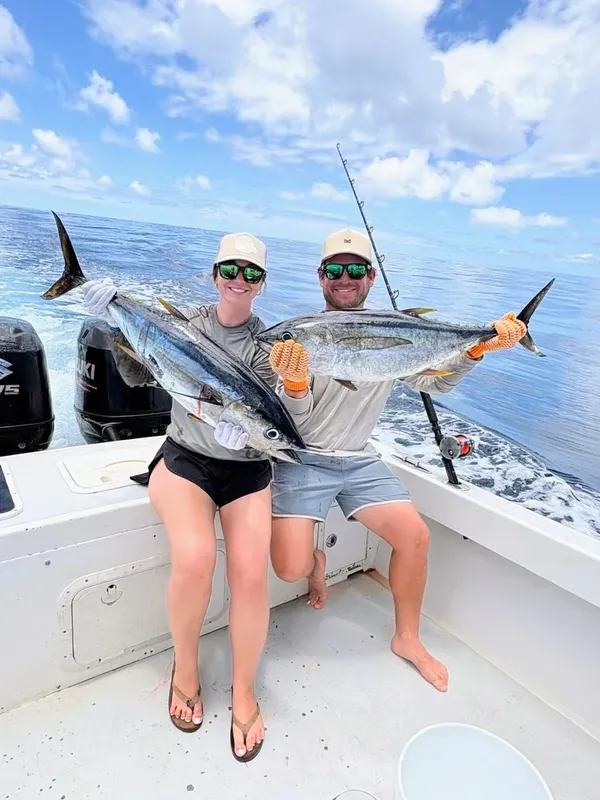
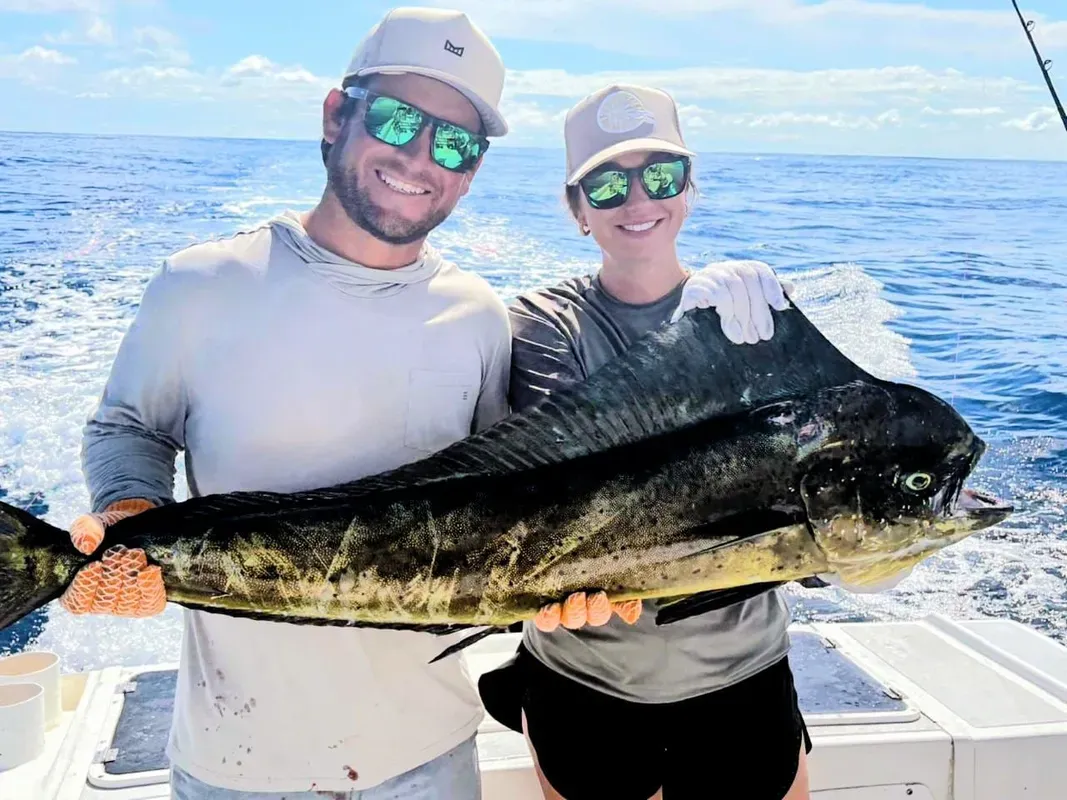
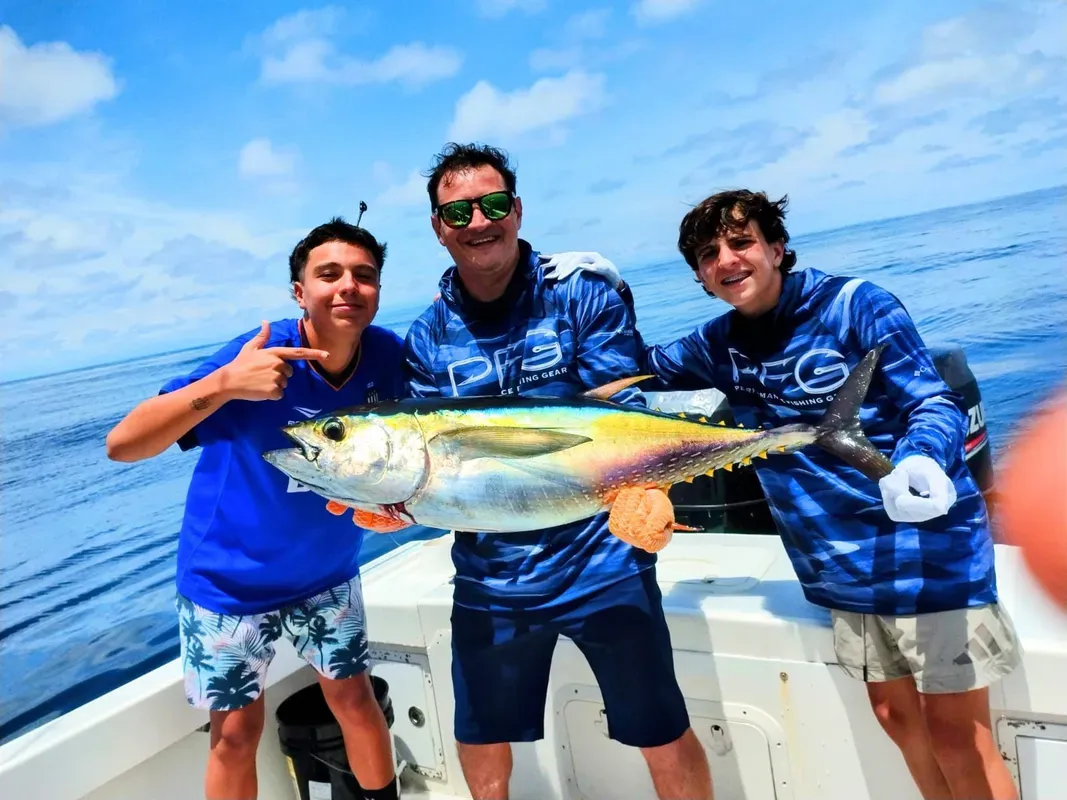
Photographs of large yellowfin are part of the appeal, but they are records of particular catches. They do not establish an average size or what you will catch. A smaller fish can still be an engaging experience, and some days produce no tuna at all.
For a mixed group, agree whether everyone wants a turn fishing or whether some people mainly want to watch. Include every passenger when requesting your quote. If you are planning several days in Quepos, our five-night fishing itinerary shows how time ashore can fit between charter days; it is an example, not a tuna-catching formula.
Discuss catch care before you leave the dock
Pez Loco’s published charter information includes cleaning, filleting, and bagging retained edible fish such as yellowfin tuna. Confirm the arrangements for your boat and ask what is appropriate to retain on the day. Billfish such as sailfish and marlin are released under Pez Loco’s practice.
If your goal is fish for meals during your stay, share that with the team and ask about retention, cleaning, and storage arrangements. The amount available depends on the actual catch and what is appropriate to keep; it cannot be reserved like groceries.
If you hope to have some tuna prepared ashore, discuss that plan in advance. Confirm the restaurant’s current arrangements directly, including whether it accepts guest catches and what preparation costs. Do not assume a restaurant meal is part of the charter quote.
Speak to the crew about timing, storage, and what you will do with any fish after returning. A retained catch needs a practical plan; it should not be the only measure of a worthwhile charter.
Before booking: the details worth confirming
- Fishing priority: say whether tuna is the main goal or one part of a mixed offshore day.
- Date and time: confirm the full outing, meeting point, and boarding instructions.
- Boat and group: identify the specific vessel and include all fishing and non-fishing guests.
- Inclusions: ask about crew, tackle, meals, drinks, catch care, and any additional charges.
- License: confirm who needs one and the current arrangement before departure.
- Weather and changes: read the cancellation and rescheduling terms before reserving.

For license requirements and listed fees, consult INCOPESCA’s official license information and confirm the process with the team. For the difference between onboard service and a vacation package, see our guide to all-inclusive charter inclusions. Accommodation and transfers should be confirmed separately.
Yellowfin tuna fishing in Quepos: common questions
Can we request a tuna-focused charter?
Yes, tell the team yellowfin is your priority when you inquire. The captain’s final program depends on conditions and available opportunities. A target request is not a catch guarantee.
Is yellowfin tuna only a green-season target?
No. The Pez Loco calendar rates January through June Excellent and the rest of the year Good for yellowfin. Ask about recent activity for your dates rather than treating a broad seasonal label as a restriction or promise.
Do beginners need their own tuna tackle?
Discuss the supplied equipment and your experience with the team before booking. Ask the crew to explain the fishing setup and how you will participate; do not buy specialist tackle on the assumption it is required for your charter.
Can a solo angler or small group share a charter?
Ask the Pez Loco team about its current booking policy and the arrangements available for your dates. Confirm whether your quote covers a private boat or a place on a shared outing, and who would choose the fishing program. An inquiry about sharing does not establish that shared places are offered or available.
Will we also catch sailfish or dorado?
Other offshore species may be part of the day’s opportunities, but no combination is guaranteed. Let the crew know whether tuna remains your priority if a choice of fishing programs arises.
Plan your Quepos tuna charter with the crew
Tell us when you’re visiting, who is coming aboard, and whether tuna is your main target. Request a written quote with the boat, trip duration, and inclusions confirmed.