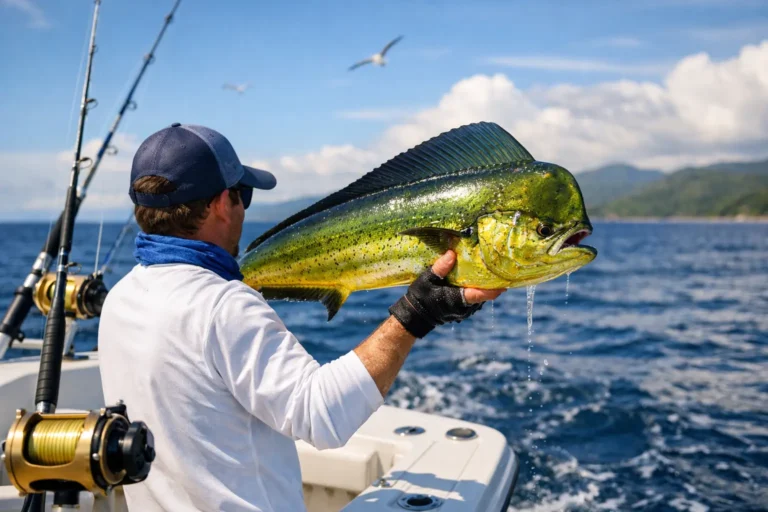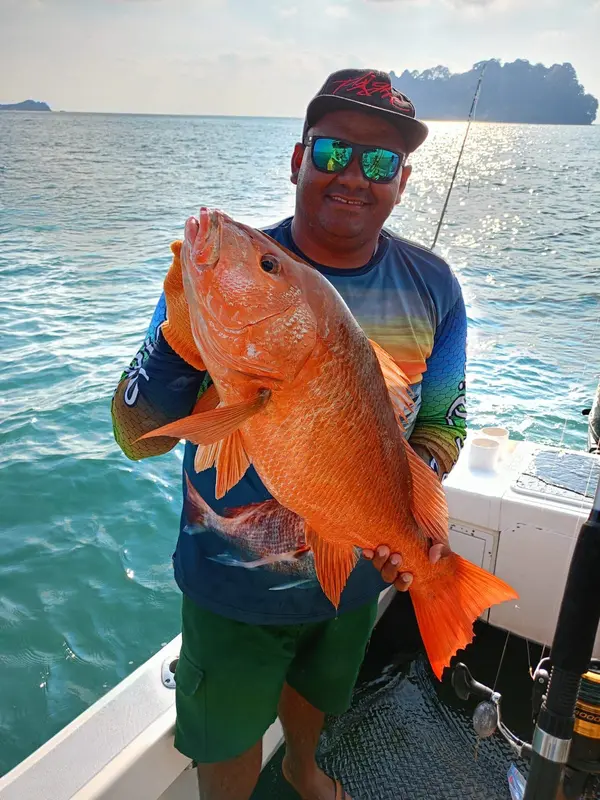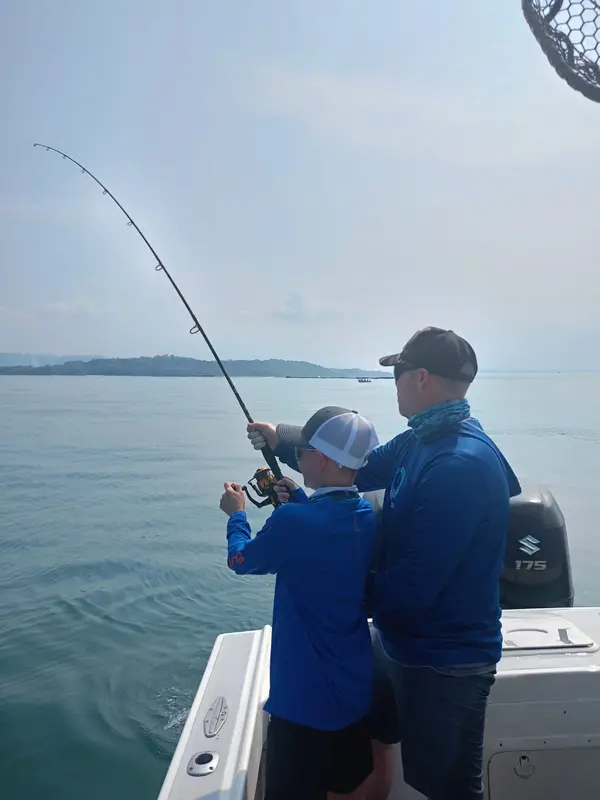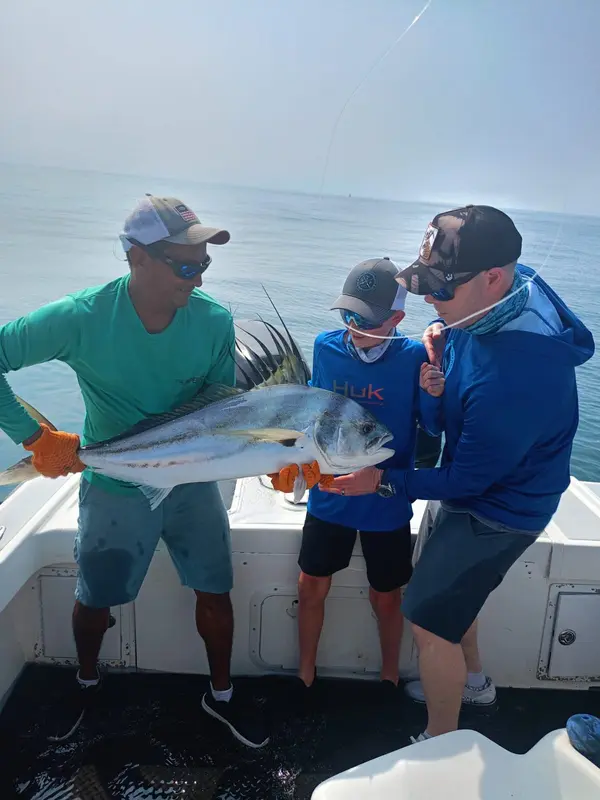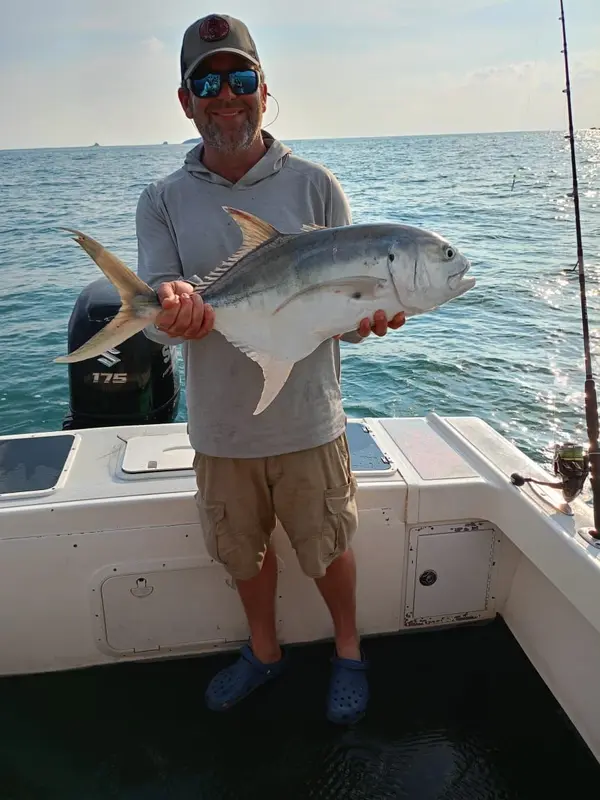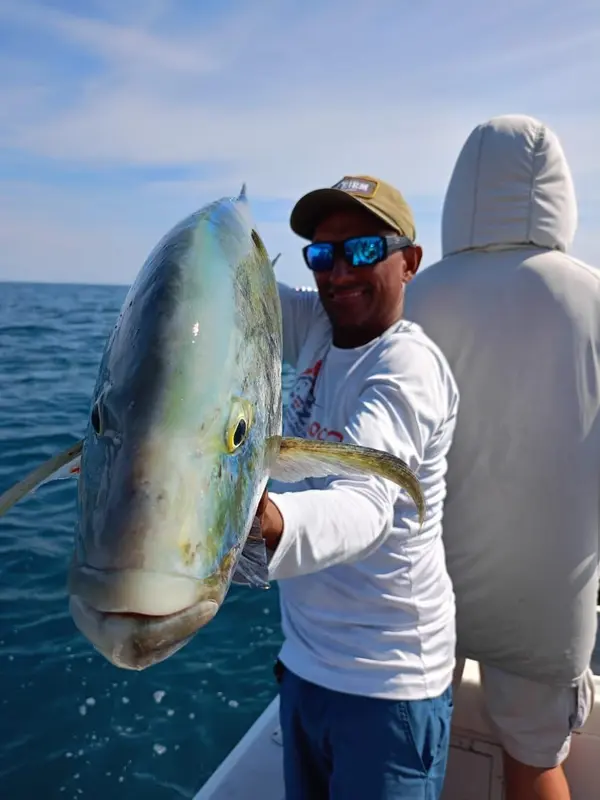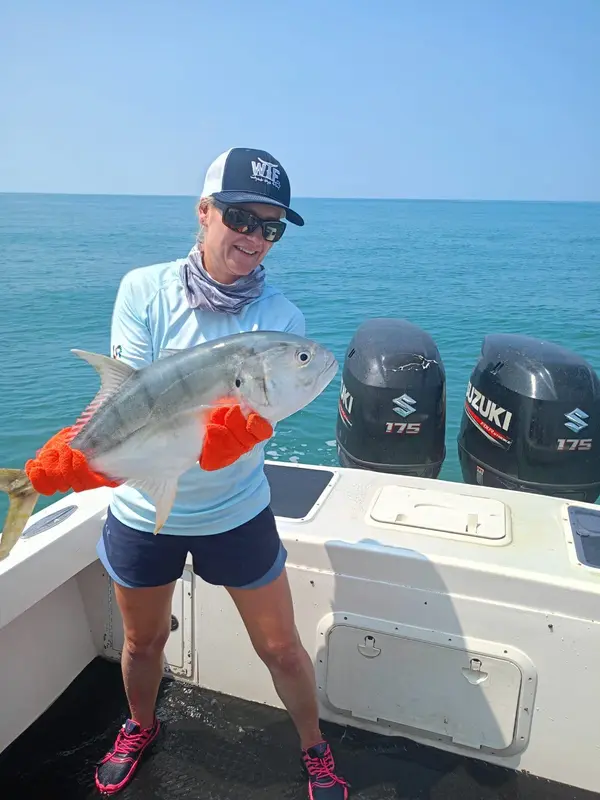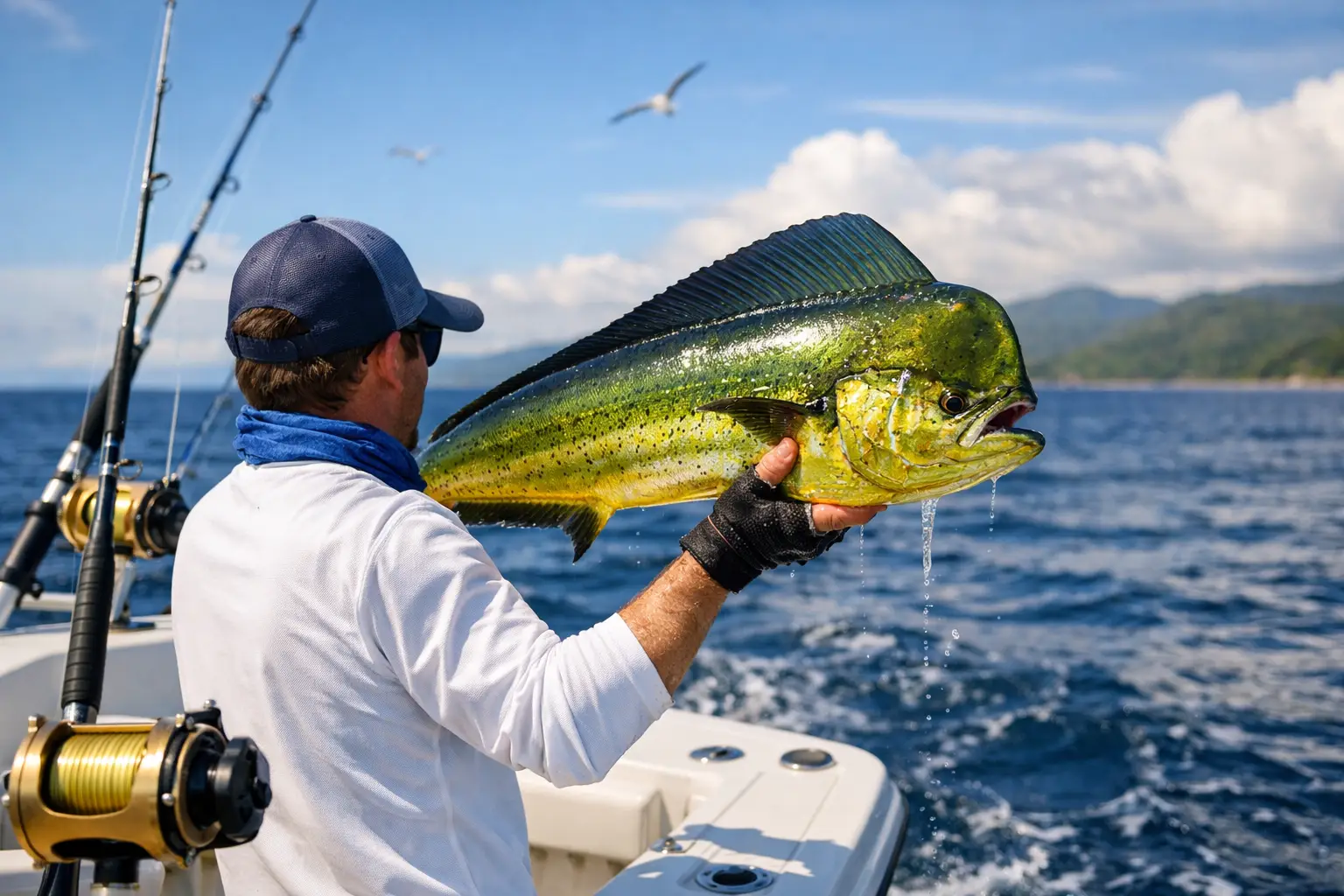
A brilliant flash of electric neon green and iridescent gold charging across cobalt blue water is one of offshore sportfishing’s most thrilling sights. When anglers search for the costa rica dorado fishing season, they are usually looking for a straightforward answer: when should we book our charter to experience fast-paced, rod-bending mahi-mahi action?
The practical answer is that dorado (also widely known as mahi-mahi or dolphinfish) can be caught year-round off the Central Pacific coast. However, the most dependable window for sheer numbers of fish, high-flying aerobatics, and trophy “bull” dorado over 40 to 60 pounds runs from late spring through the fall months (May through November).
For travelers planning a Costa Rica vacation around a serious day on the water, understanding ocean current lines, seasonal rainfall patterns, and how a professional crew targets offshore structure can turn an ordinary day into the fishing story of a lifetime.
Quick Guide: Quepos Dorado (Mahi-Mahi) Fishing Calendar
| Period | Bite Consistency | Average Sizes | Weather & Sea State | Strategic Focus |
|---|---|---|---|---|
| May – August | ⭐⭐⭐ High | 15 – 35 lbs (Schoolies & Mediums) | Sunny mornings, warm water, brief afternoon rain | Current seams, weedlines, mixed bag with Sailfish & Tuna |
| September – November | ⭐⭐⭐ PEAK | 25 – 65+ lbs (Trophy Bulls) | Green season, active currents, heavy floating logs | Debris lines, Dorado Derby tournament season, non-stop bites |
| December – April | ⭐⭐ Moderate | 15 – 30 lbs (Incidental/Scattered) | Lake-flat seas, sunny & dry, clean blue water | Open-water trolling spreads while targeting Billfish |
Why the Green Season Creates Prime Dorado Fishing
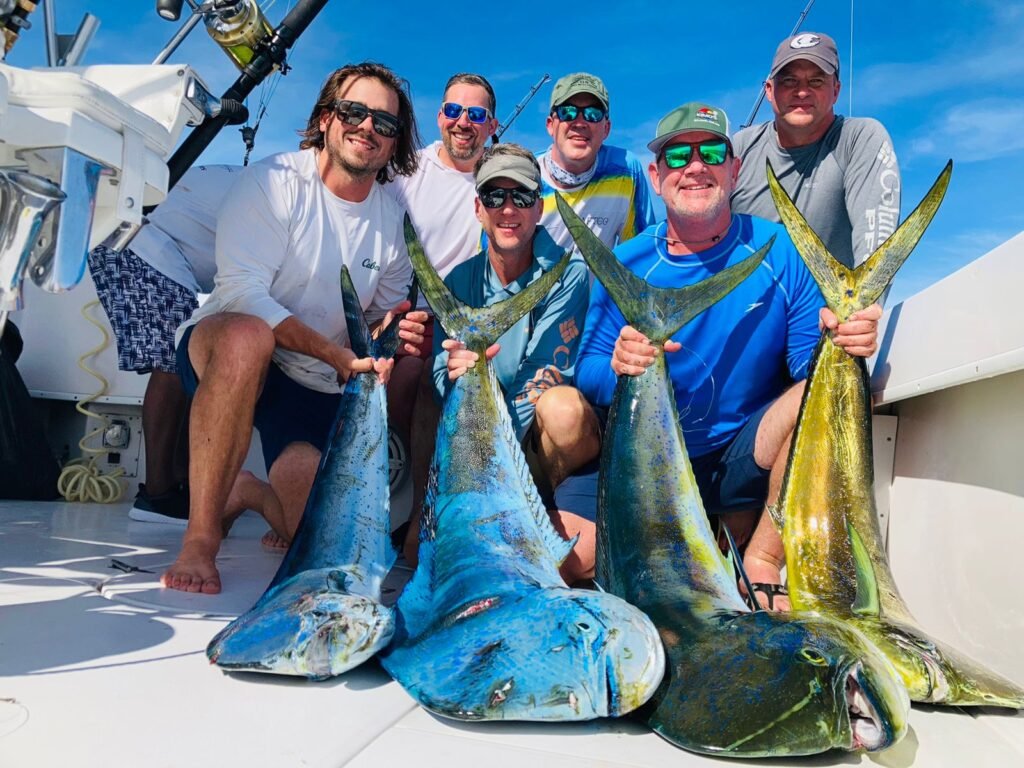
Dorado are apex surface sprinters, built to cruise the open ocean at speeds exceeding 50 miles per hour. During Costa Rica’s green season (May through November), localized rains in the coastal mountains wash fallen trees, palm fronds, and bamboo stalks down rushing rivers like the Savegre and Naranjo into the Pacific.
Once offshore, ocean currents herd this floating material into pronounced color changes and weedlines:
- Natural Micro-Ecosystems: Within days, microscopic organisms cling to drifting logs, attracting tiny baitfish, juvenile crabs, and flying fish seeking shade.
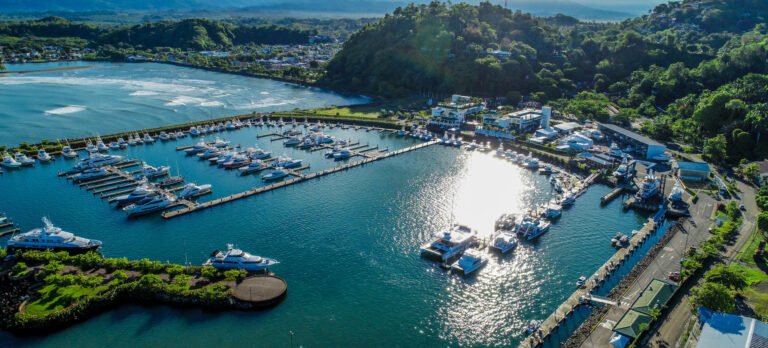
- The Feeding Station: Dorado patrol these current seams relentlessly. A single mature tree trunk drifting 20 miles offshore from Marina Pez Vela can hold dozens—sometimes hundreds—of hungry dorado.
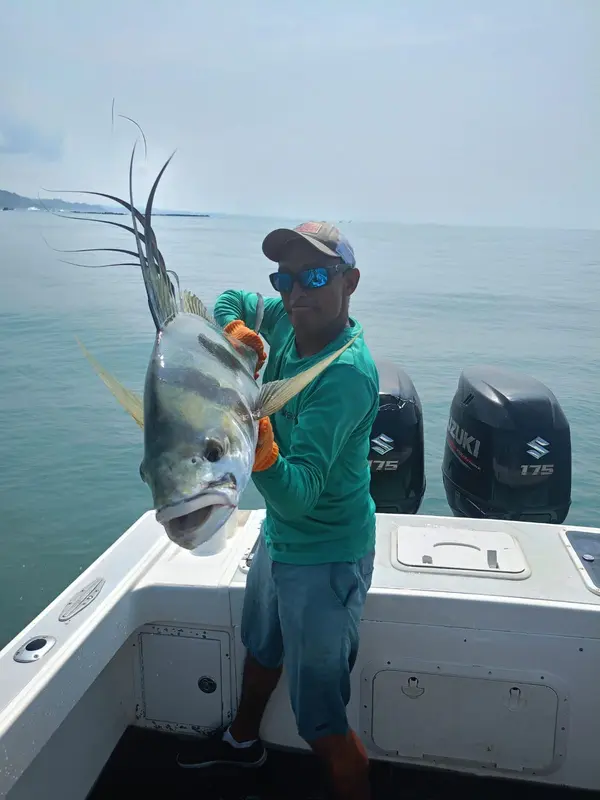
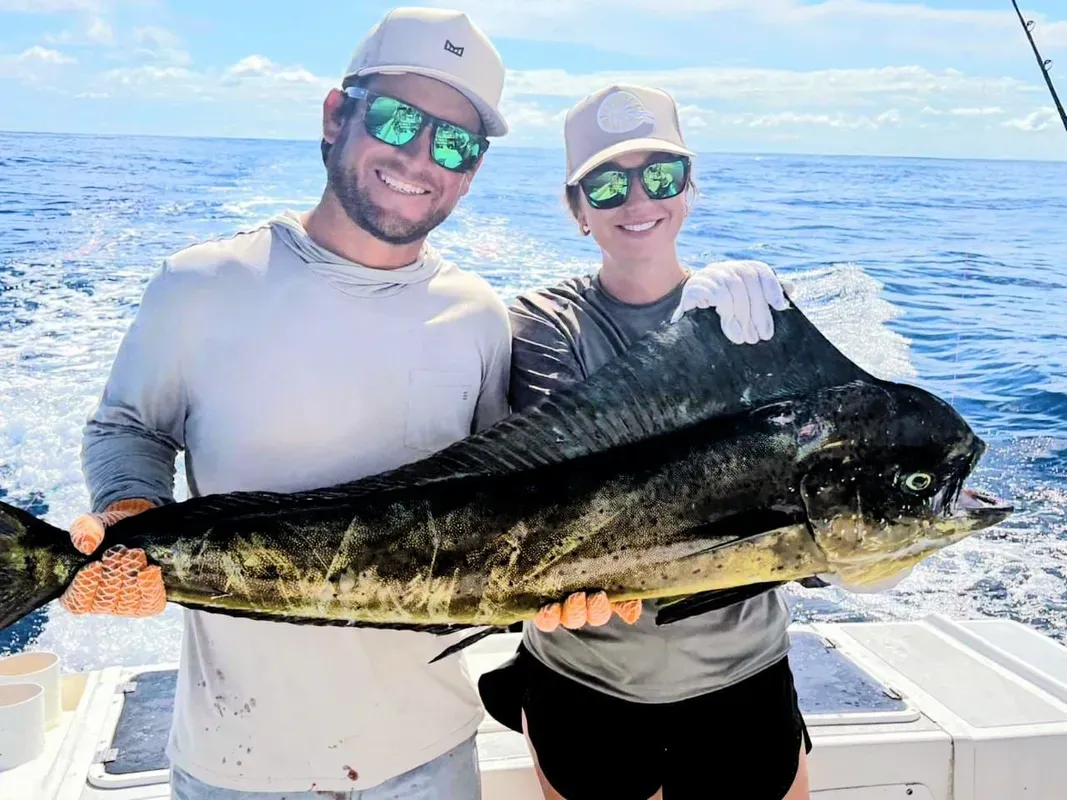
- The Bull Dorado Arrival: While smaller female “cows” and schoolies stay tight to the structure, solitary bull dorado—distinguishable by their massive, blunt vertical foreheads—cruise the perimeter like offshore bouncers, waiting to hammer larger baitfish.
What to Expect by Season
May through August: Fast Action & Mixed-Bag Variety
May marks the start of a highly reliable dorado pattern off Quepos. Sea surface temperatures warm, current seams become more defined, and boats find frequent action around weedlines.
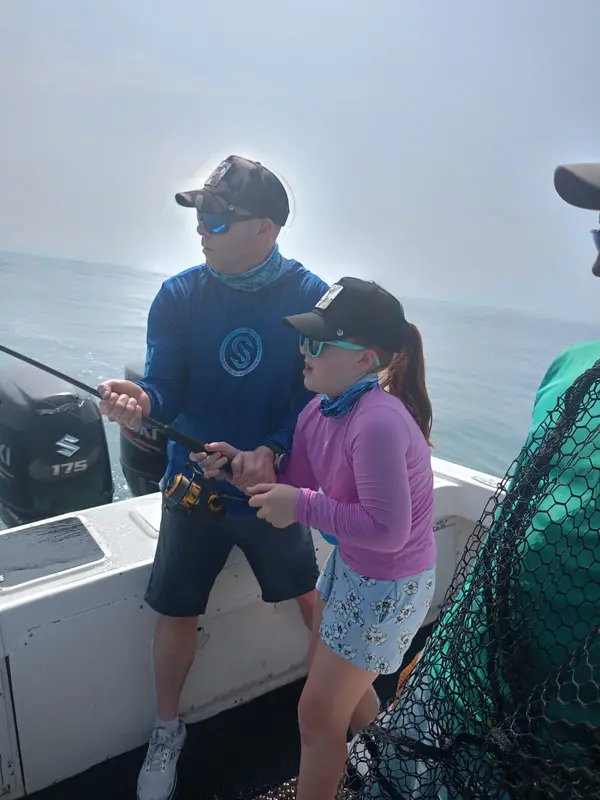
- Ideal for Families & Beginners: Dorado strike aggressively, jump repeatedly, and fight with pure energy without demanding the exhausting 2-hour battle of a grander marlin.
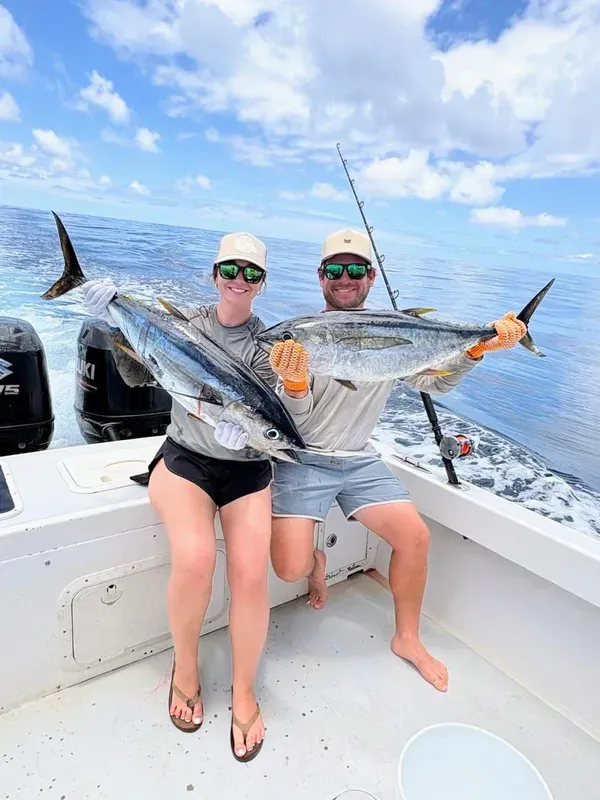
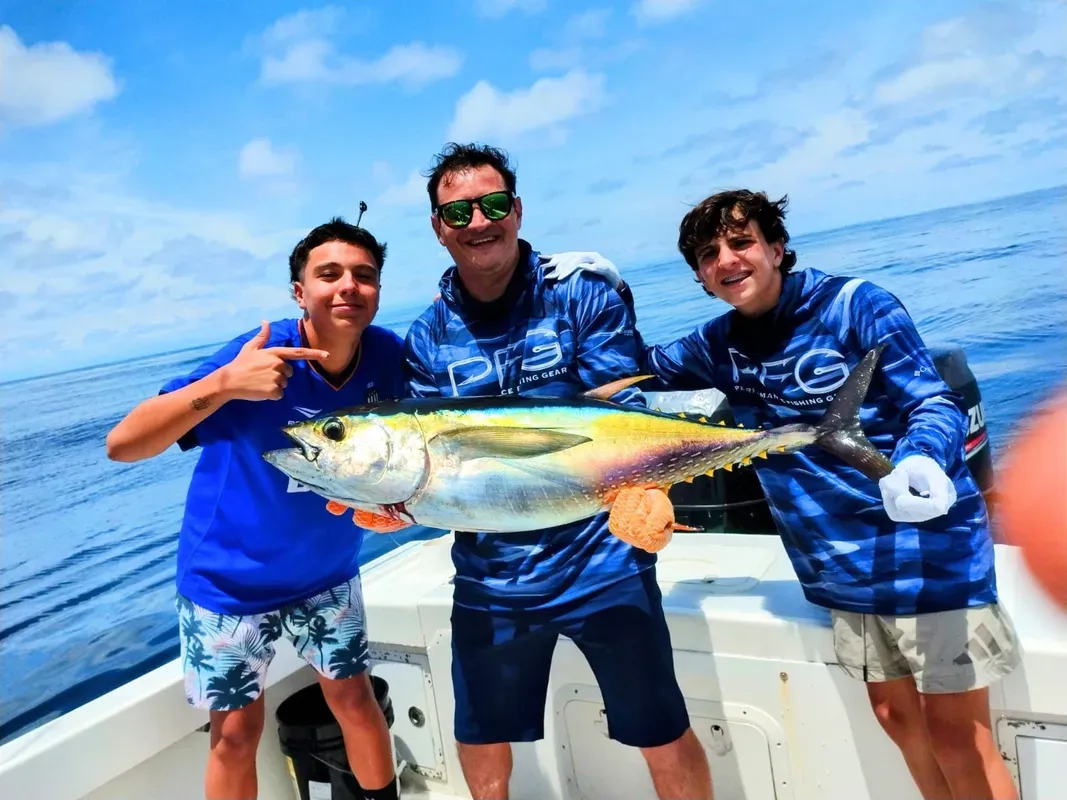
- Mixed-Bag Opportunity: Summer provides incredible diversity. On a single full-day charter, groups frequently boat multiple mahi-mahi while also raising sailfish and finding schooling yellowfin tuna behind pods of spinner dolphins.
September through November: Trophy Bulls & The Dorado Derby Peak
If your bucket list includes landing a bull dorado weighing 40 to 65+ pounds, the fall months are unmatched:
- Tournament Excitement: Every November, Marina Pez Vela hosts the world-famous Dorado Derby and Dorado Derby Dos, bringing together competitive teams chasing the single heaviest bull mahi-mahi brought to the scales.
- Double & Triple Hookups: When the crew locates a loaded piece of floating timber, chaotic multiple hookups are common. The crew will often keep one hooked fish swimming near the transom to keep the rest of the school fired up around the boat.
December through April: Dry Season Action
Dorado do not vanish during Costa Rica’s dry season, but they are more scattered across open water rather than congregated around debris. Anglers focused primarily on sailfish frequently pick up beautiful bull dorado as a welcome, high-jumping bonus in the trolling spread.
Tactics: How Veteran Crews Target Dorado
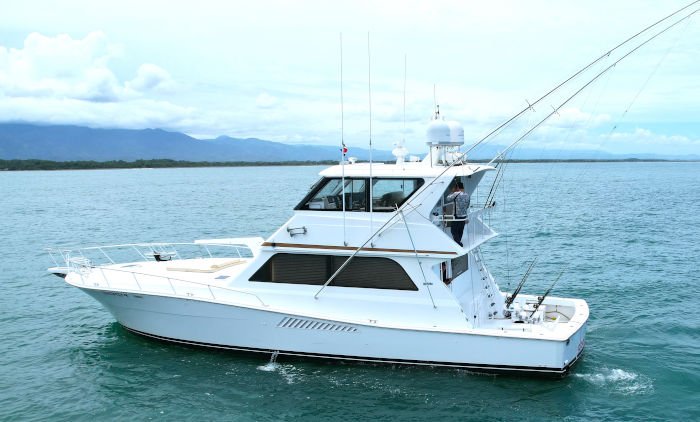
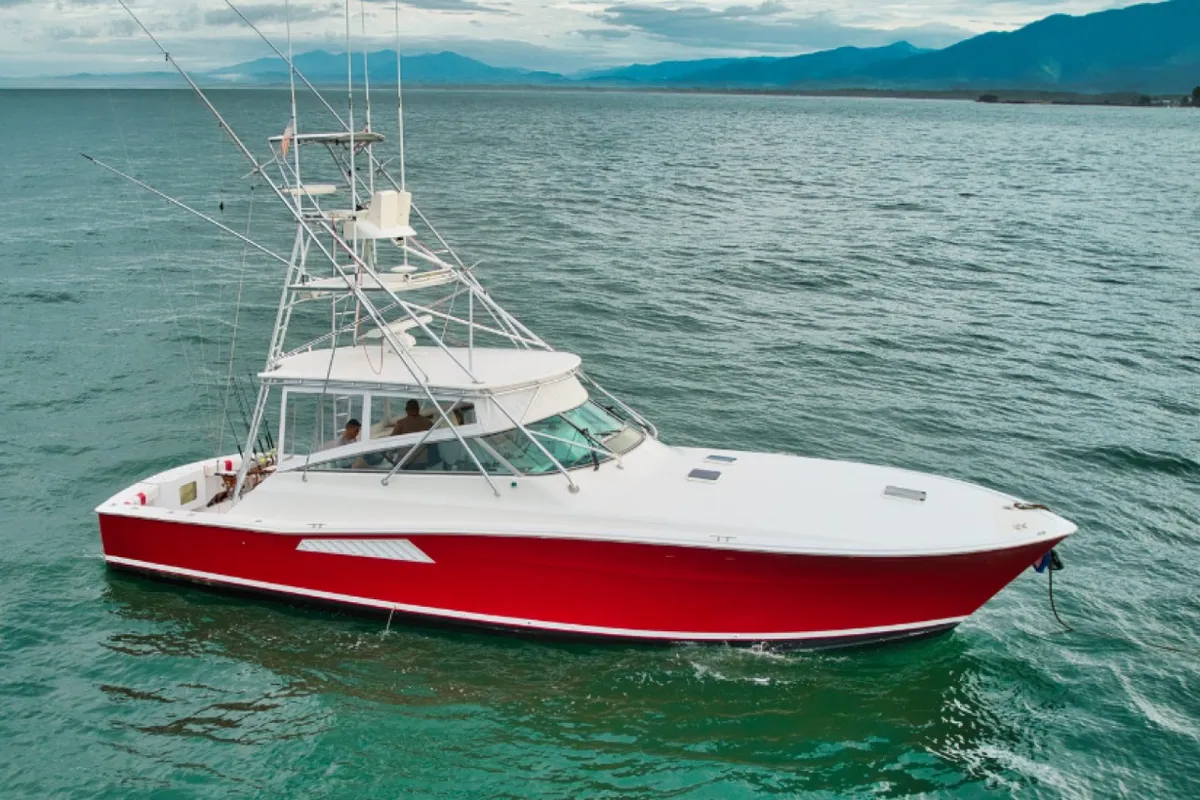
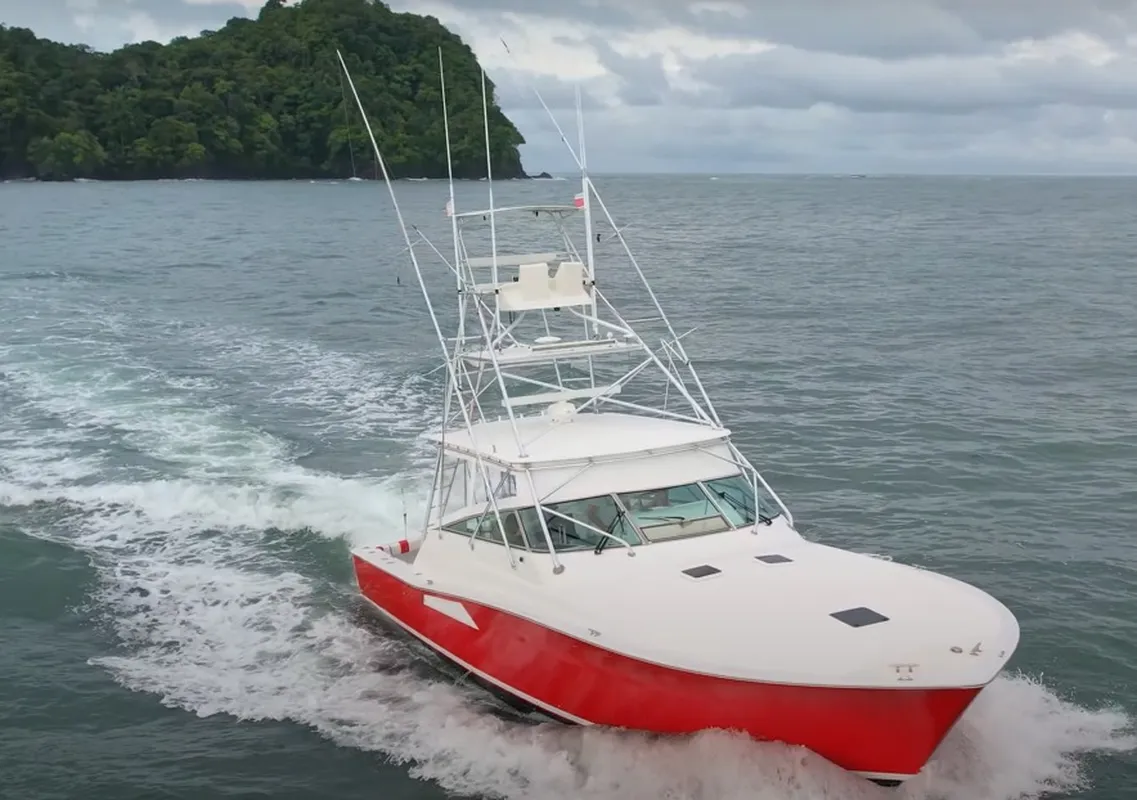
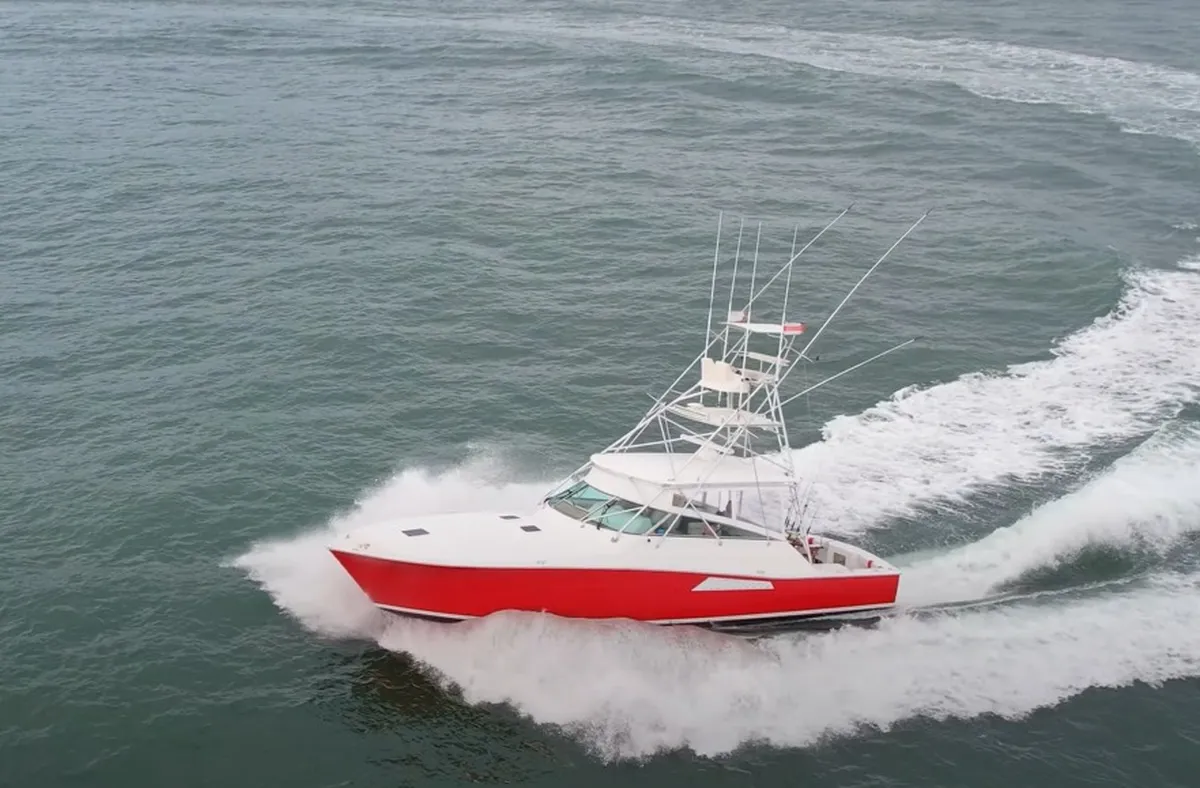
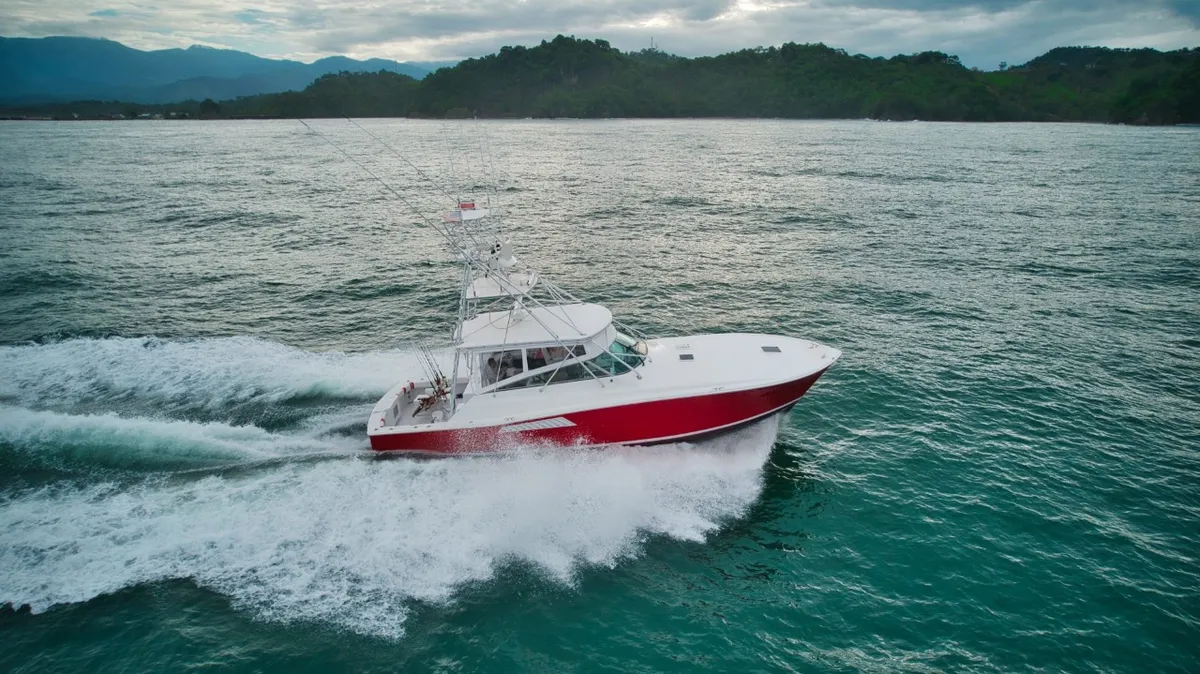
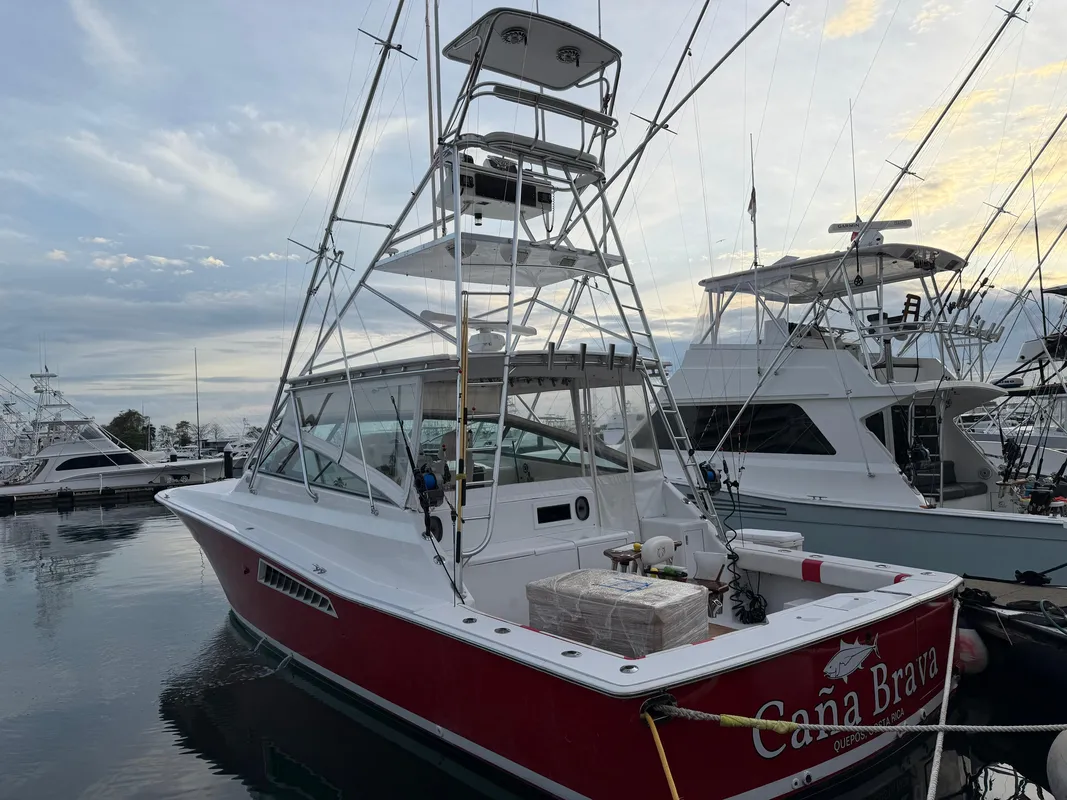
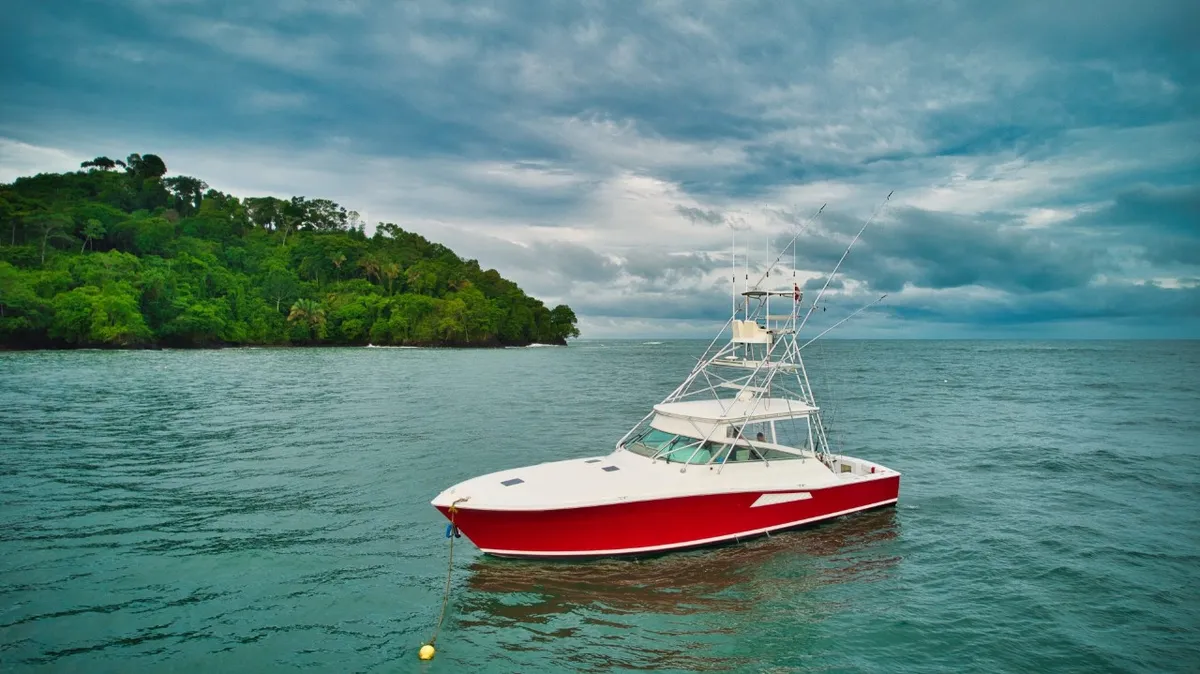
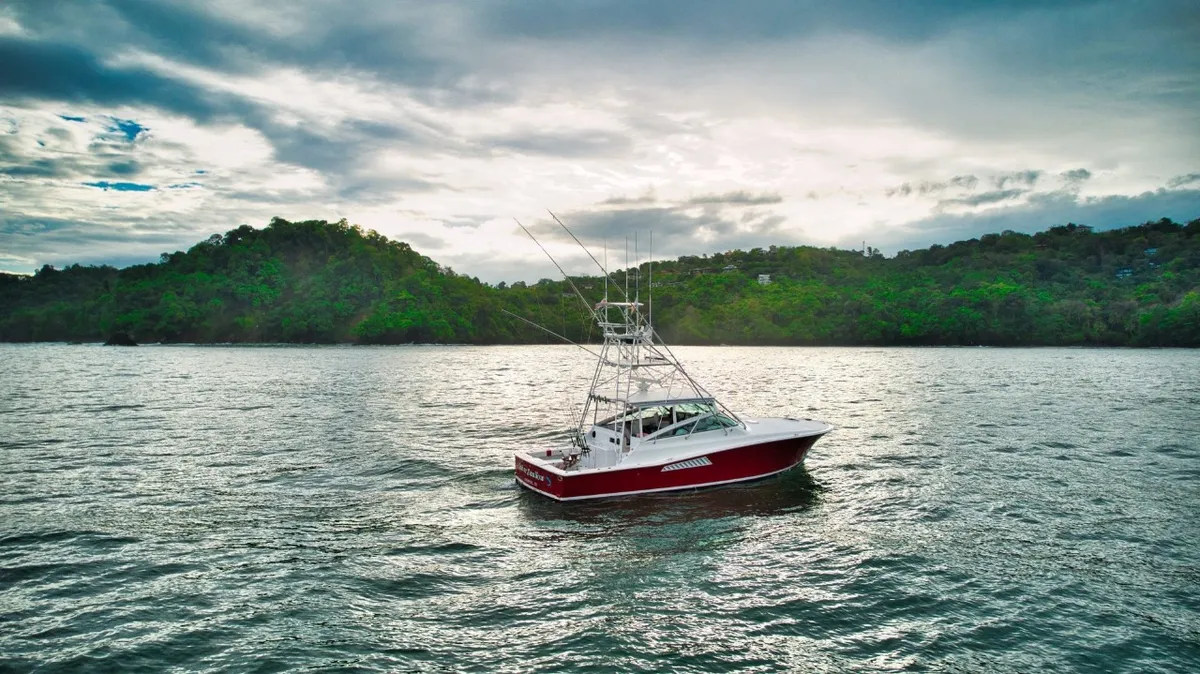
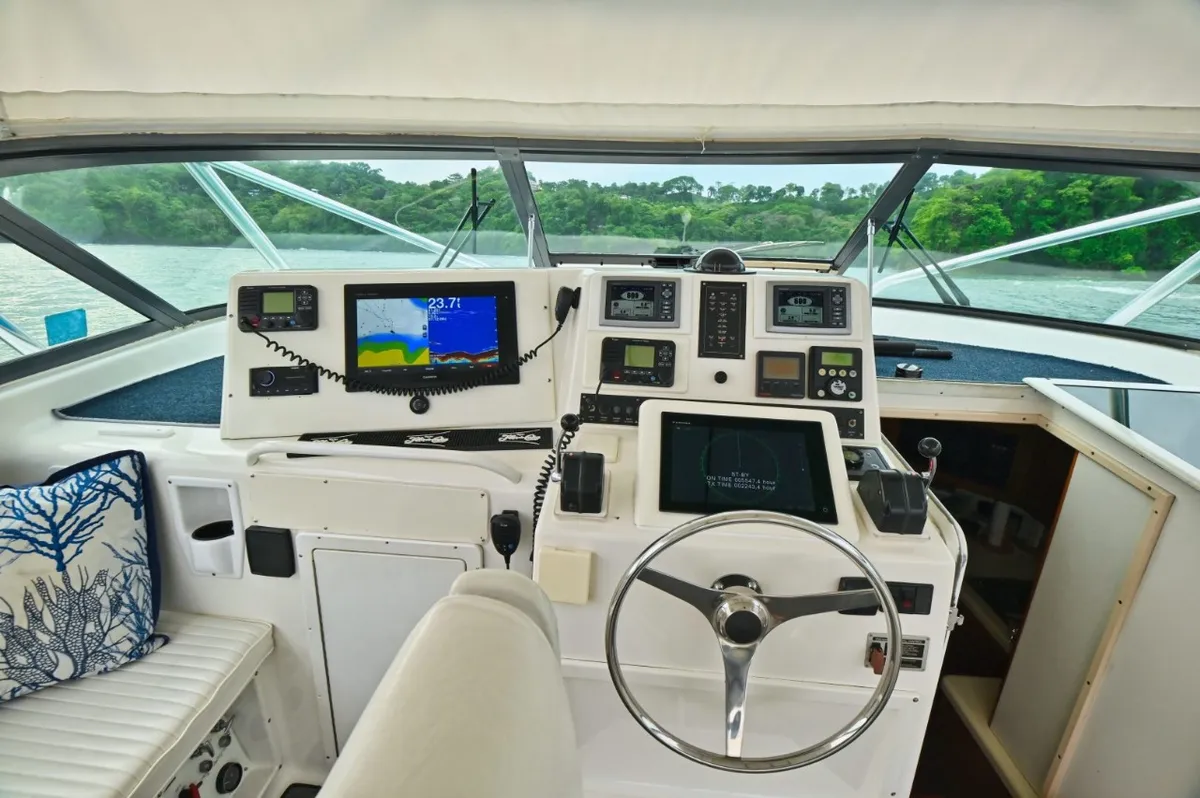
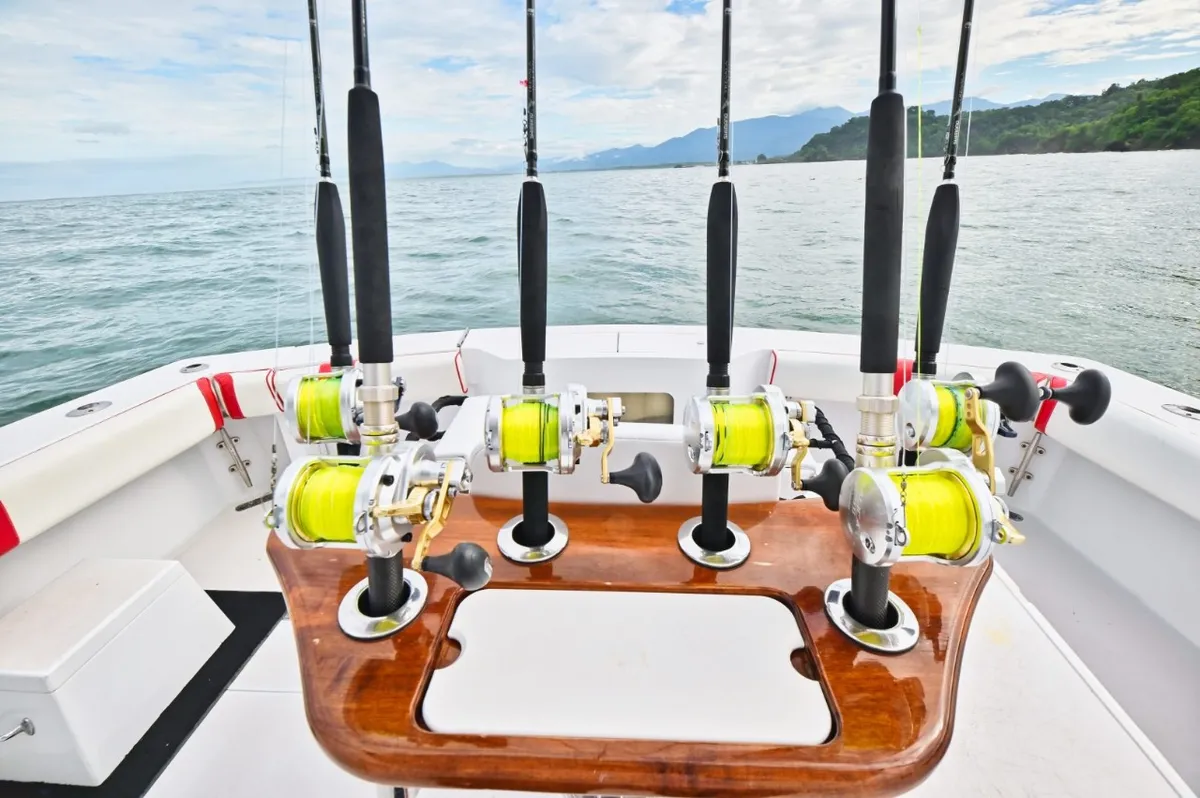
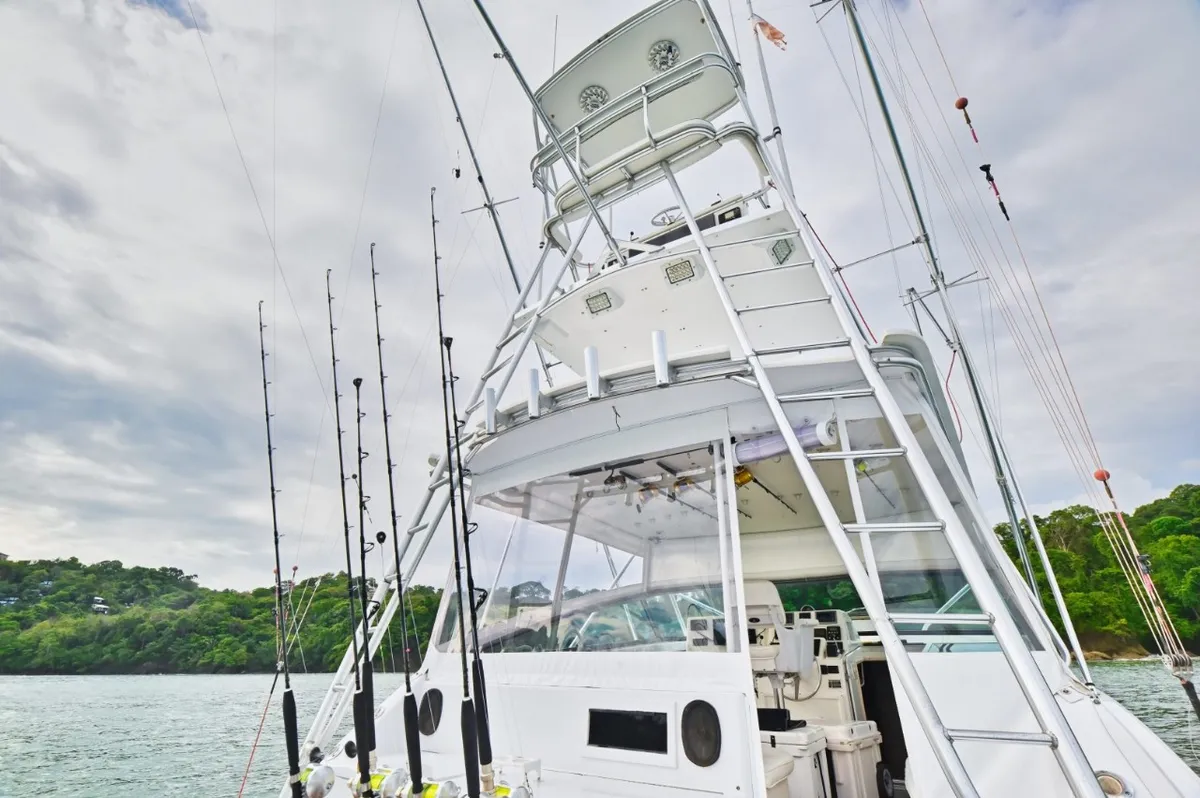
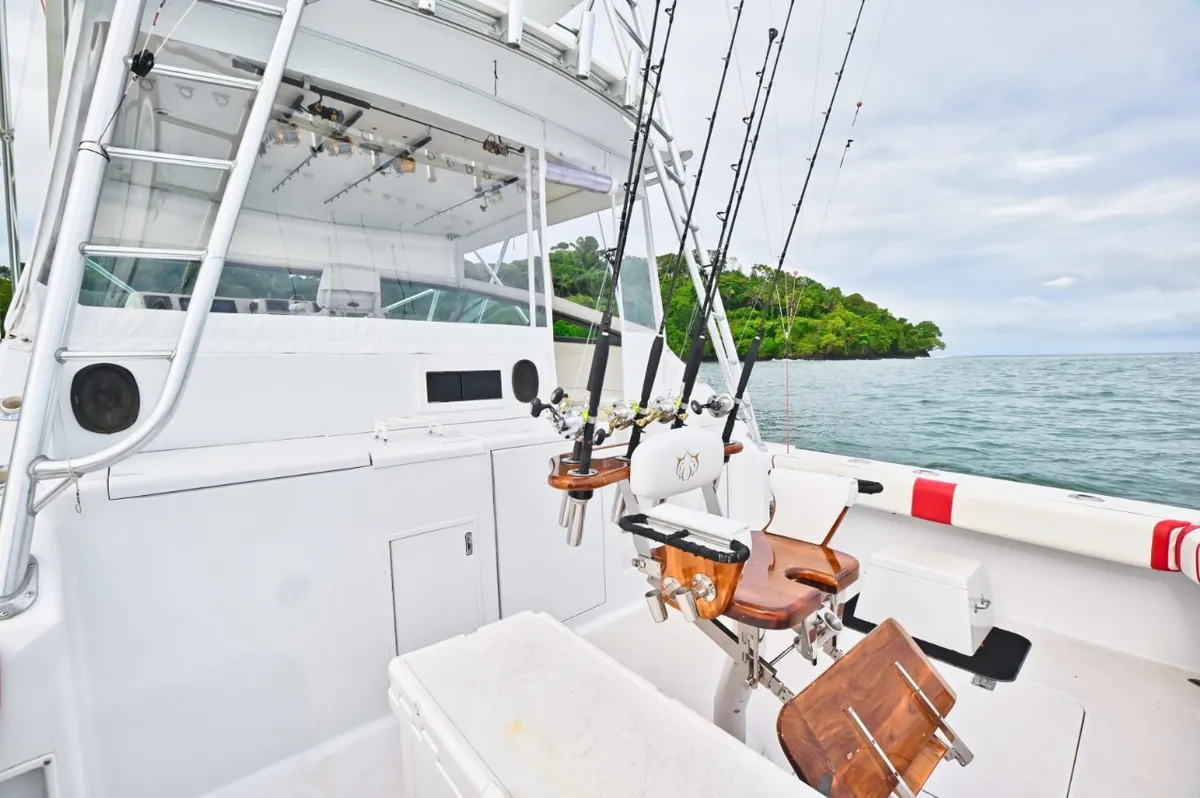
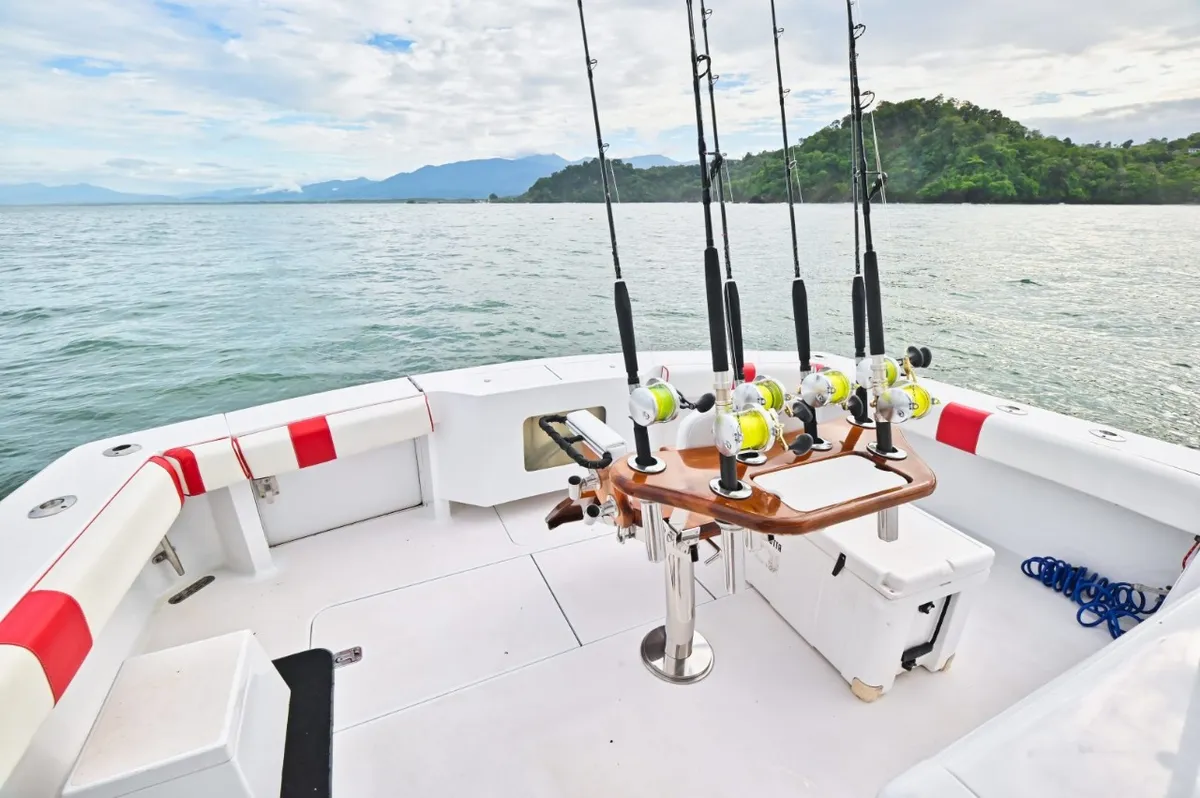
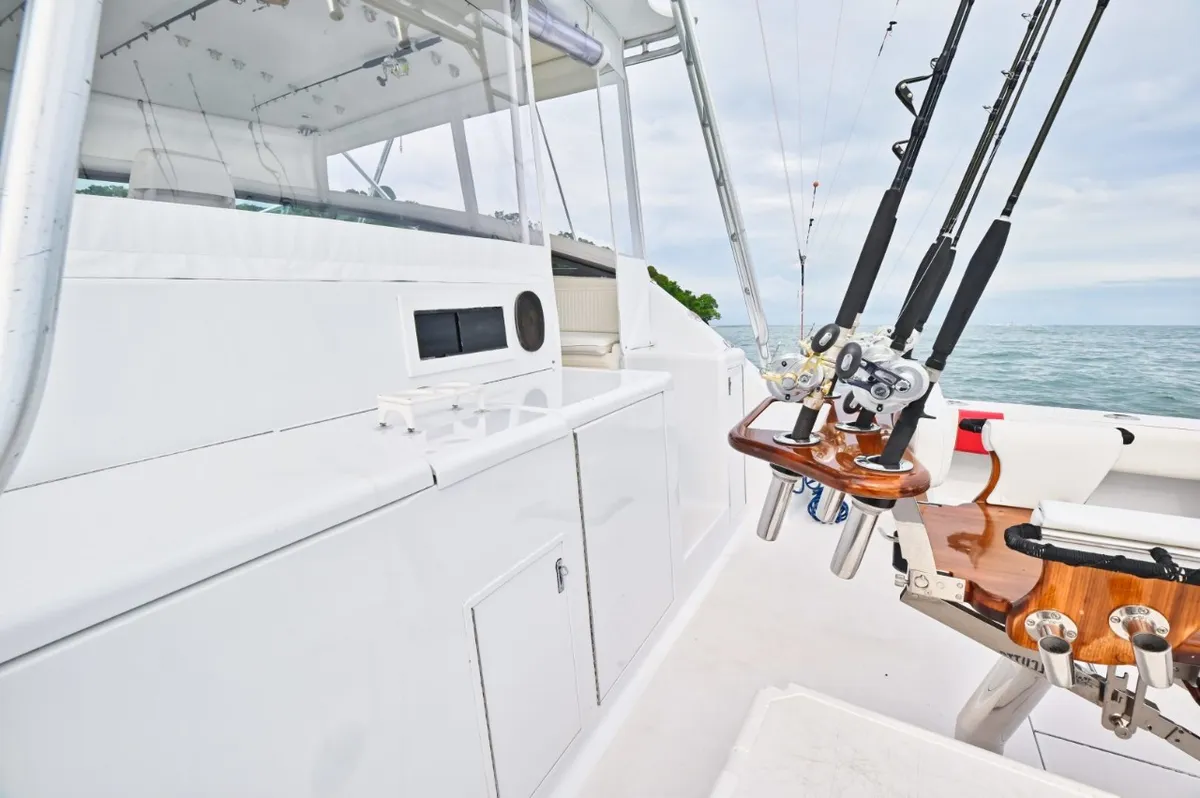
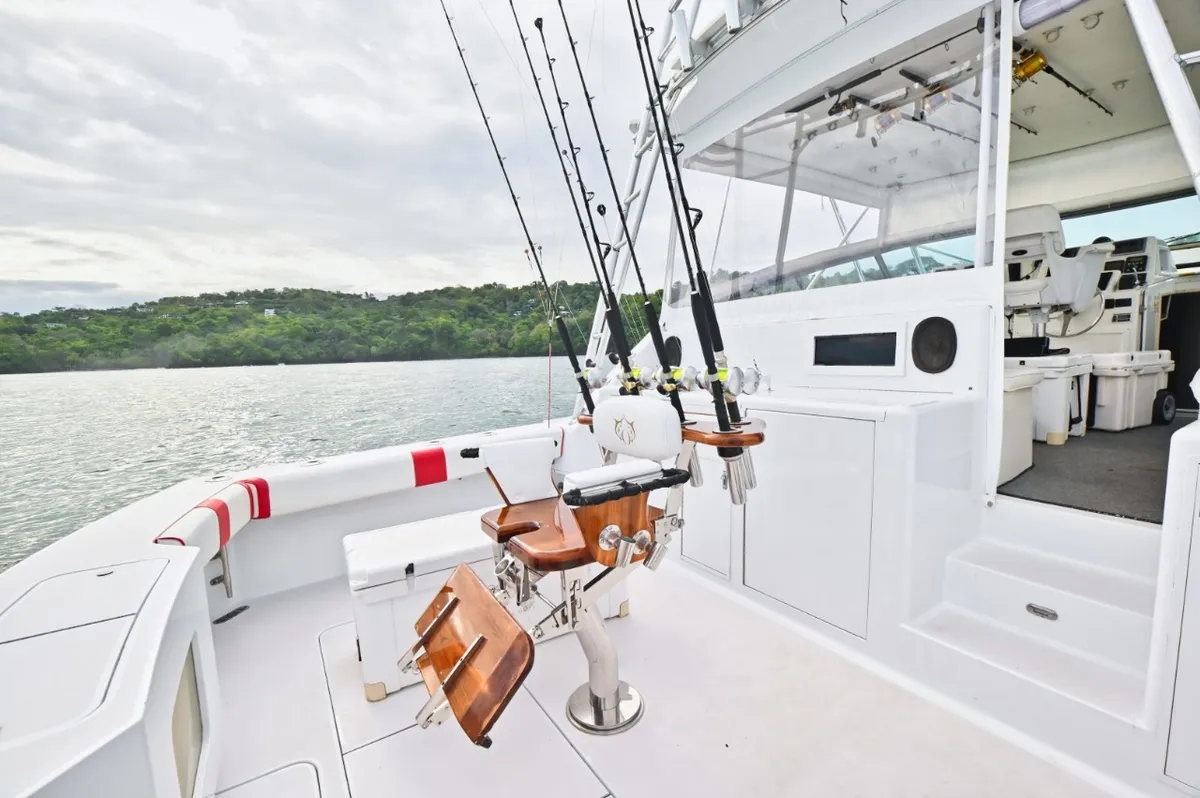
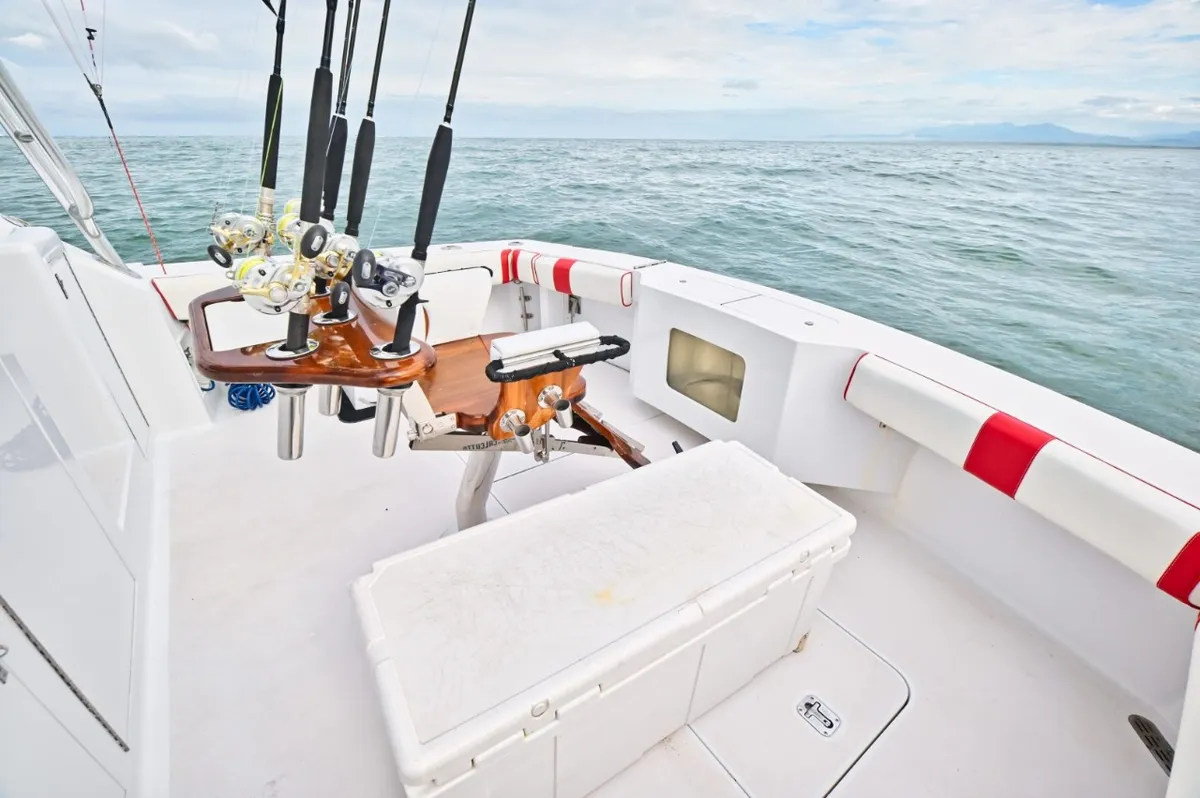
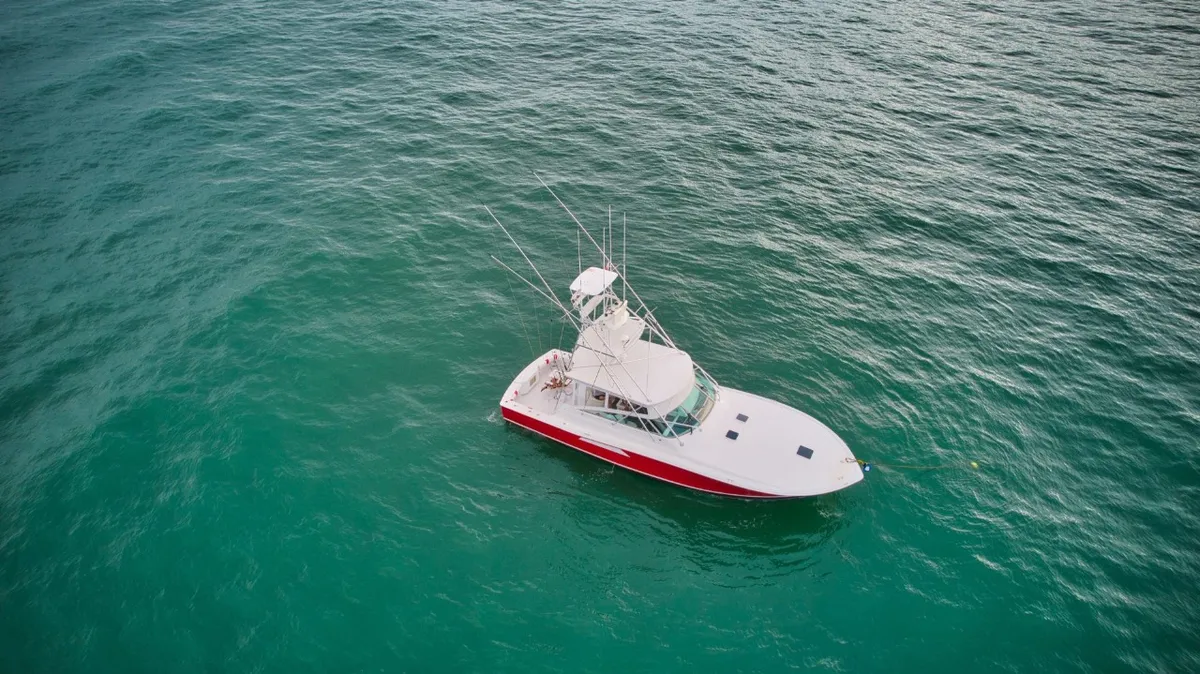
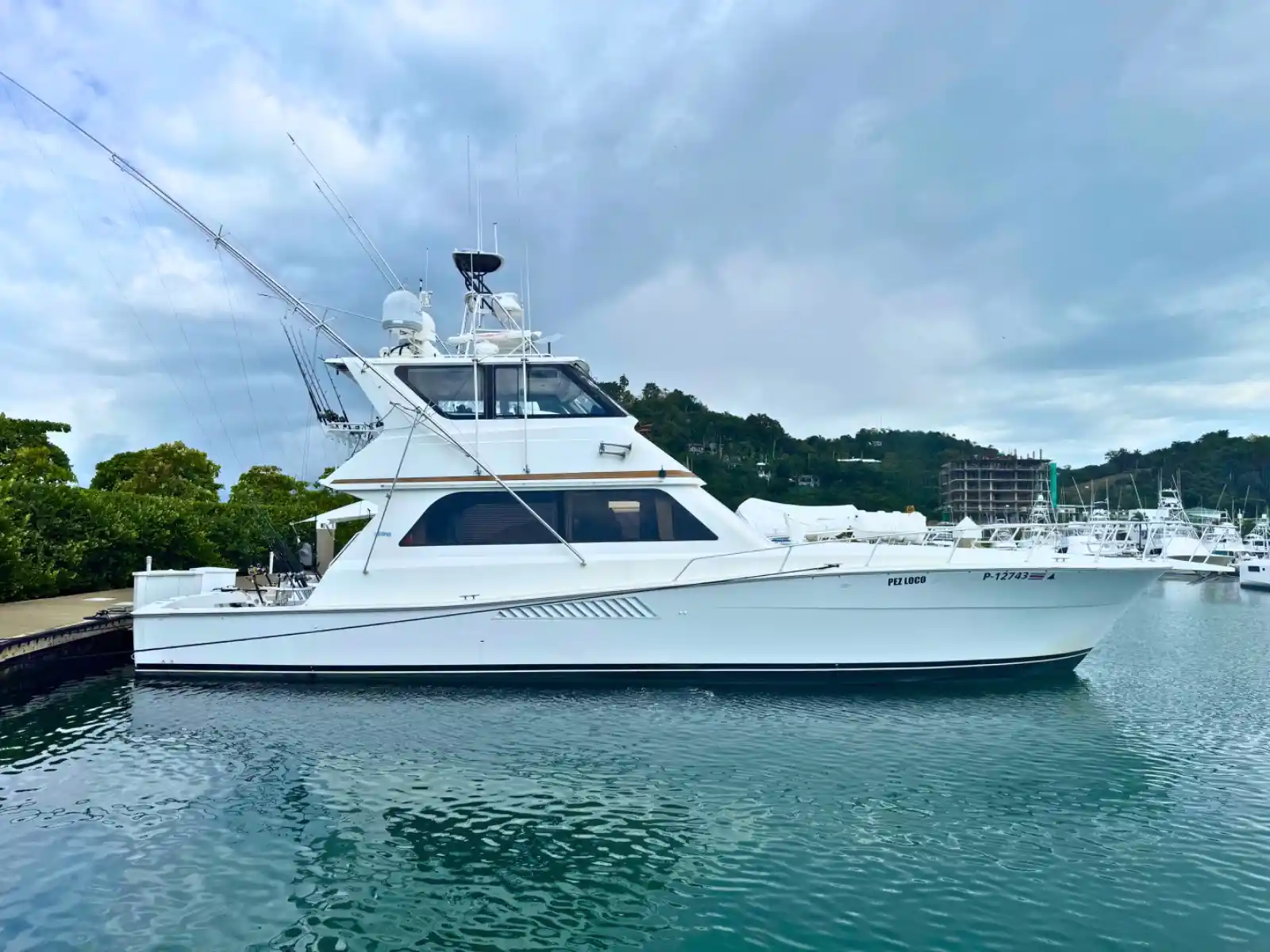
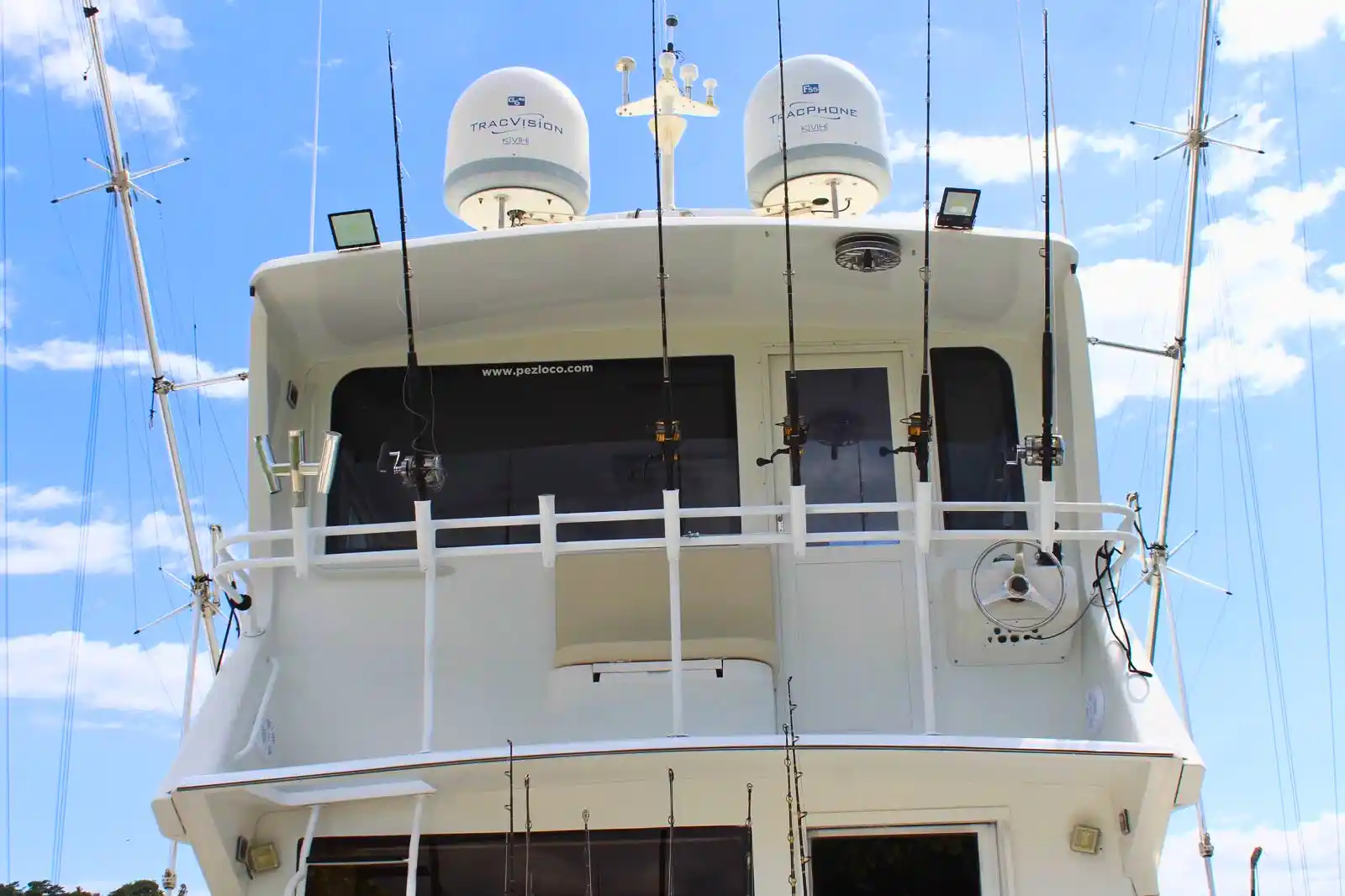
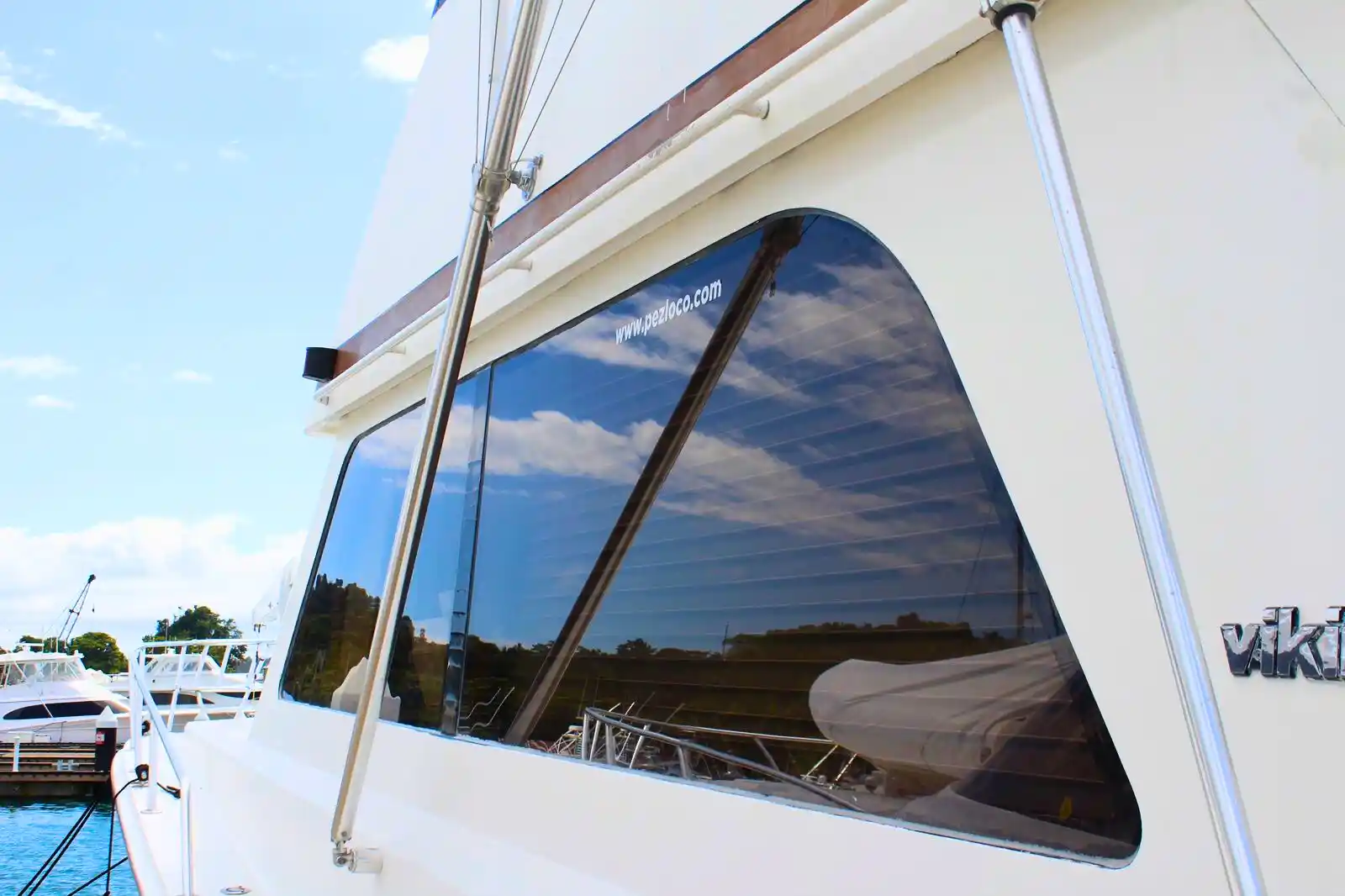
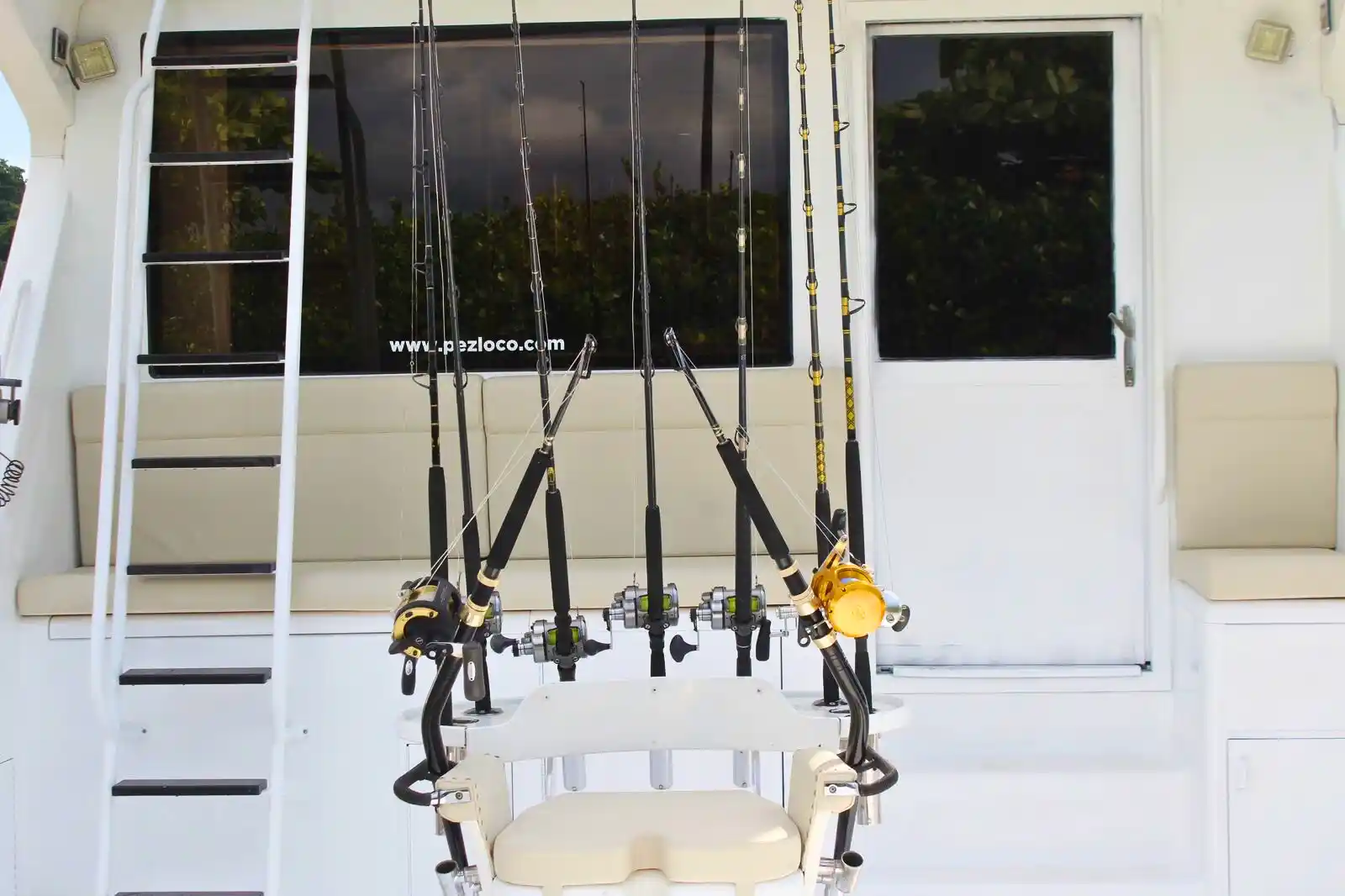
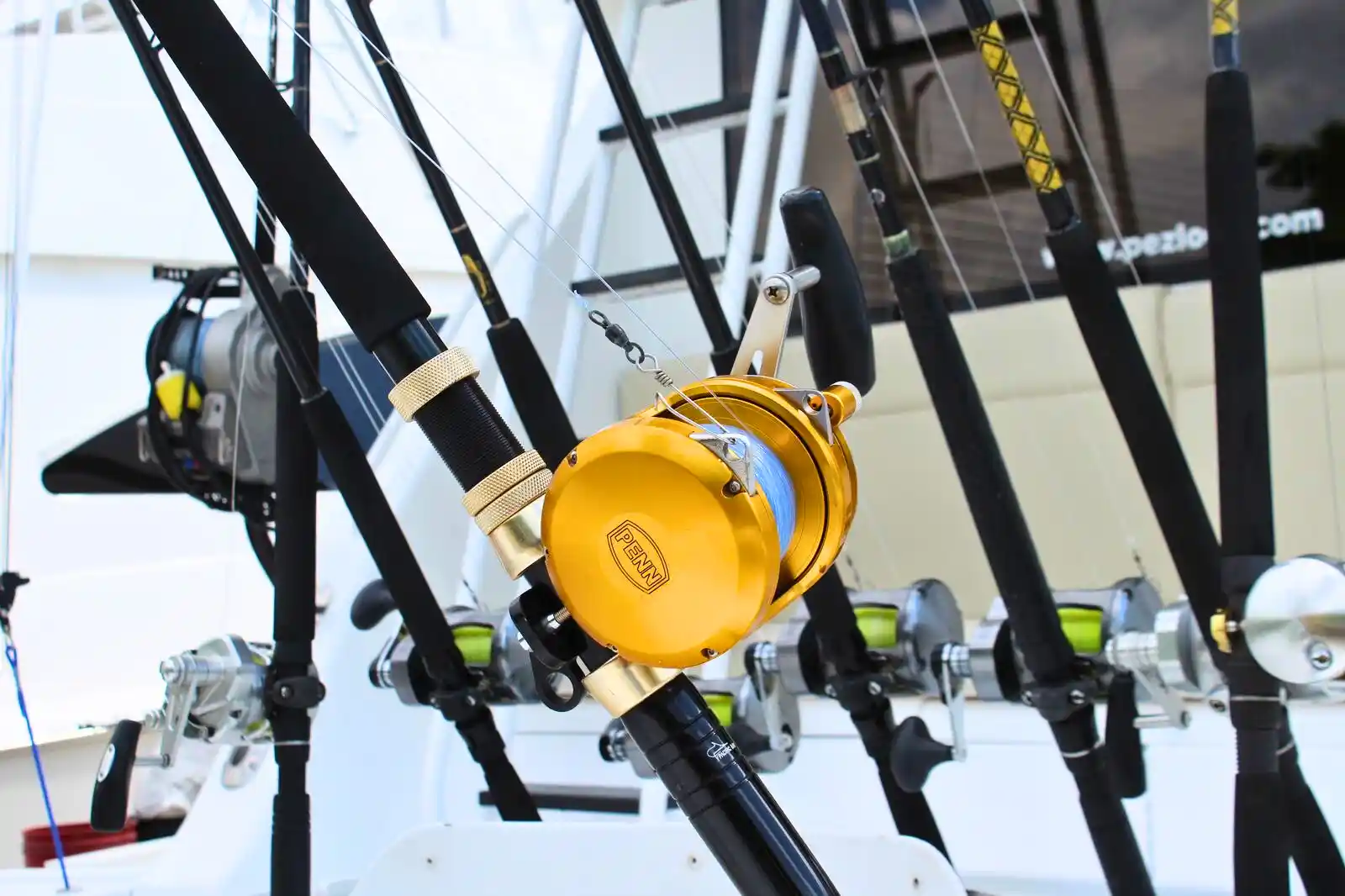
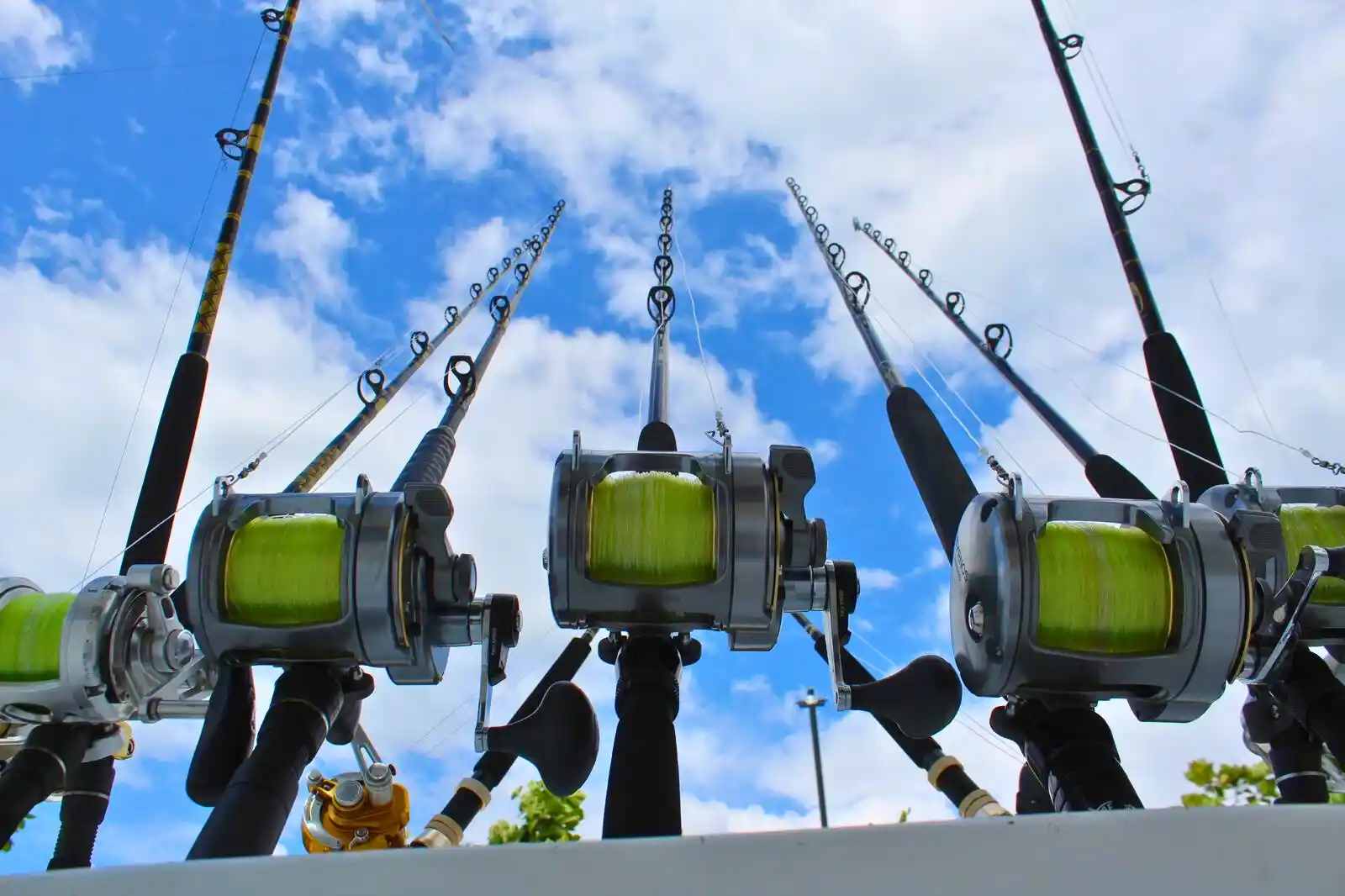
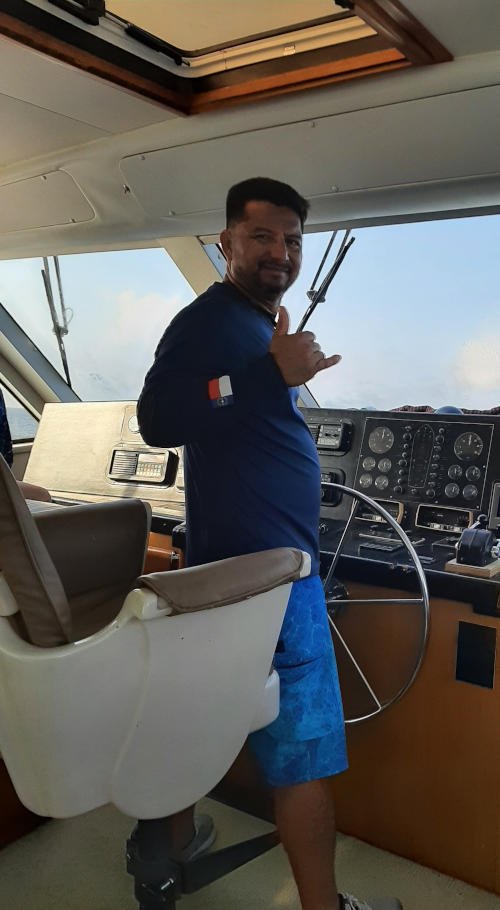
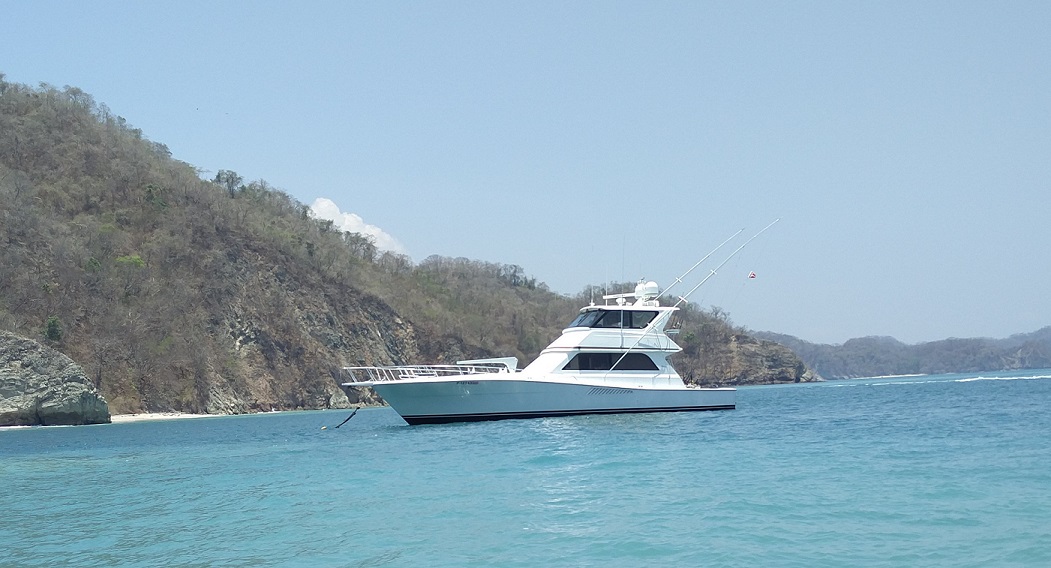
Offshore mahi-mahi fishing is dynamic and highly visual. A seasoned crew like the team aboard the 60′ Viking Yacht Pez Loco employs a precise tactical playbook:
- Reading the Water: Rather than trolling aimlessly, the captain scans the horizon for diving frigate birds, subtle color breaks, temperature rips, and floating structure.
- The Trolling Spread: Running rigged ballyhoo behind brightly colored skirted lures (pink/white, blue/white, or neon green) combined with dredge teasers creates the illusion of a fleeing school of flying fish.
- Pitch Baits & Poppers: When a school surfaces around the boat, deckhands quickly pitch live baits or cast heavy topwater poppers directly to visible fish, triggering heart-stopping surface strikes right at boat-side.
- Light Tackle Thrills: Anglers can battle mahi-mahi on spinning rods, making every jump, dive, and color change feel electric.
Cook Your Catch: From the Ocean to the Dinner Table
Dorado is universally celebrated as one of the finest-eating gamefish in the world. Their firm, sweet white meat is versatile and delicious whether served as fresh citrus ceviche, blackened steaks, or crispy tempura tacos.
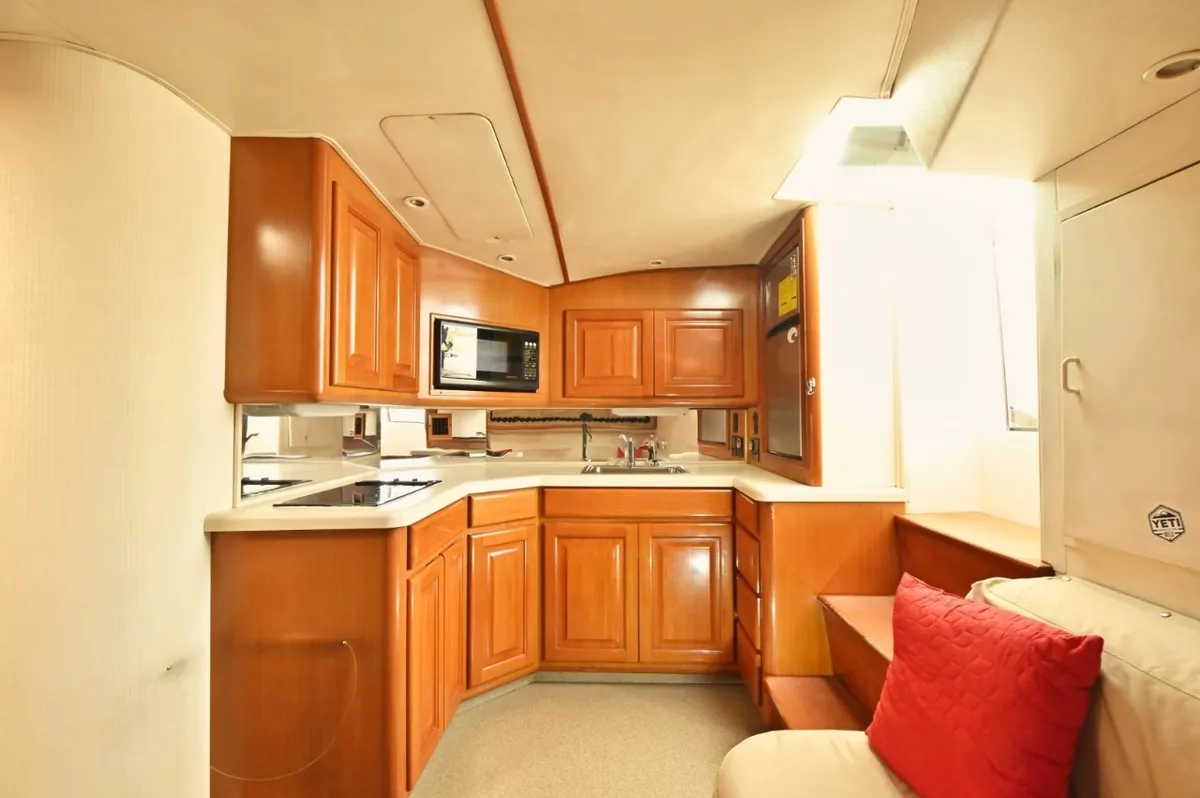
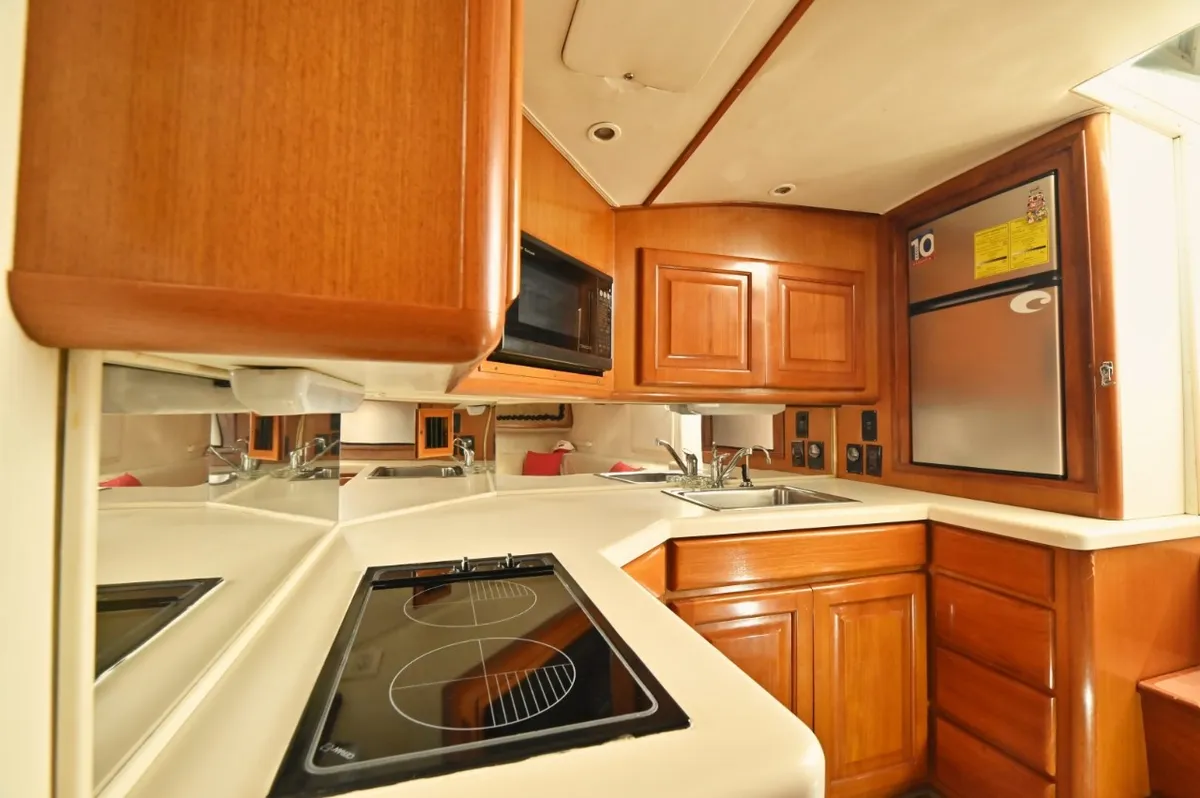
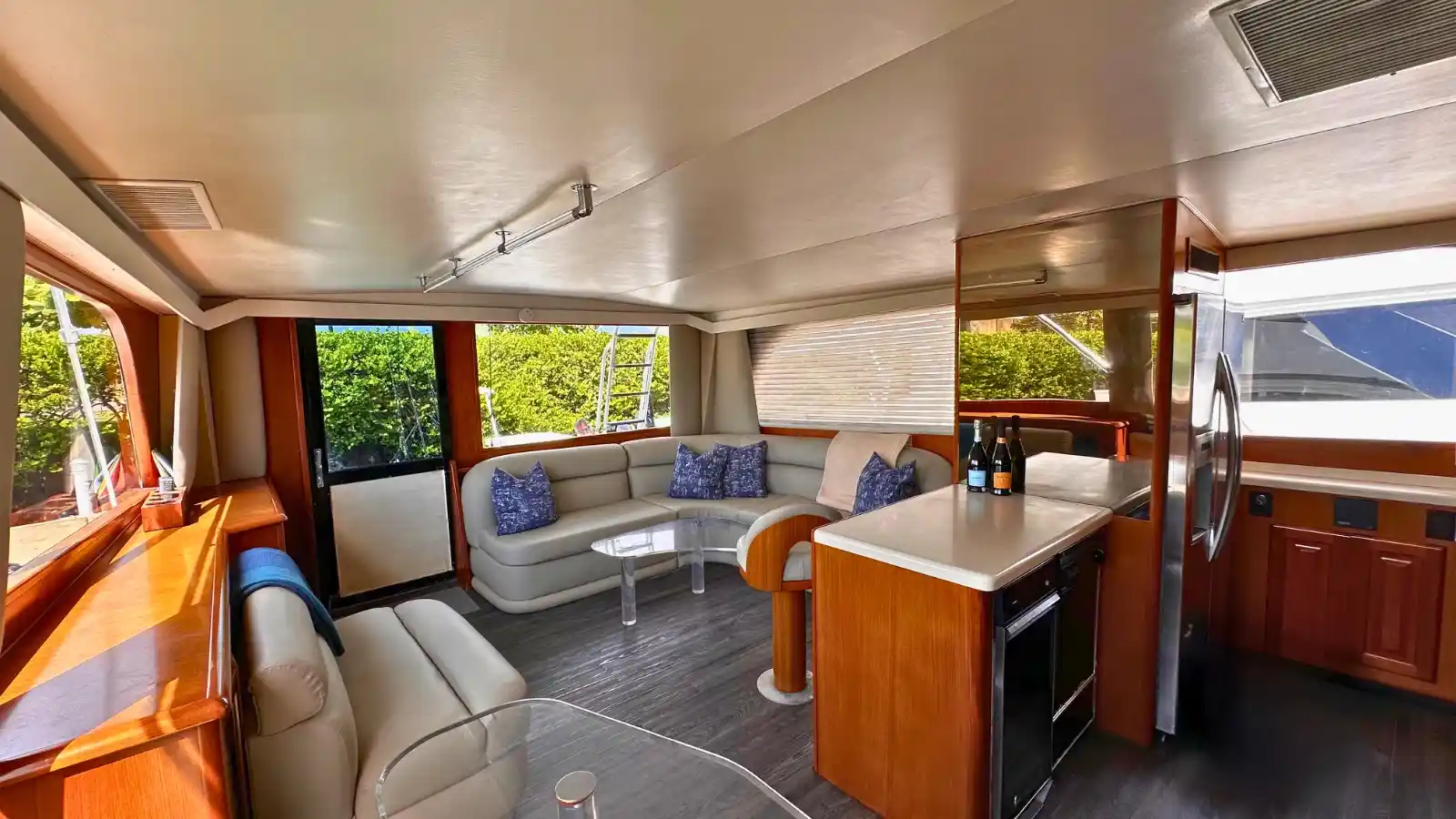
- Onboard Culinary Service: On our all-inclusive fishing charters in Quepos, our private onboard chef can prepare freshly caught dorado directly in the yacht’s galley for your lunch.
- Dockside Preparation: At the end of the charter, our mates will expertly fillet, skin, and vacuum-bag your catch with ice. You can take your fillets directly to Marina Pez Vela’s waterfront restaurants (The Runaway Grill or Gabriella’s), where chefs will prepare your catch for dinner against a spectacular Pacific sunset.
Why Boat Comfort Matters During the Green Season
Chasing dorado offshore during prime green-season months means spending 8 to 10 hours on the open ocean. Passing afternoon tropical showers are common, and sea conditions can vary.
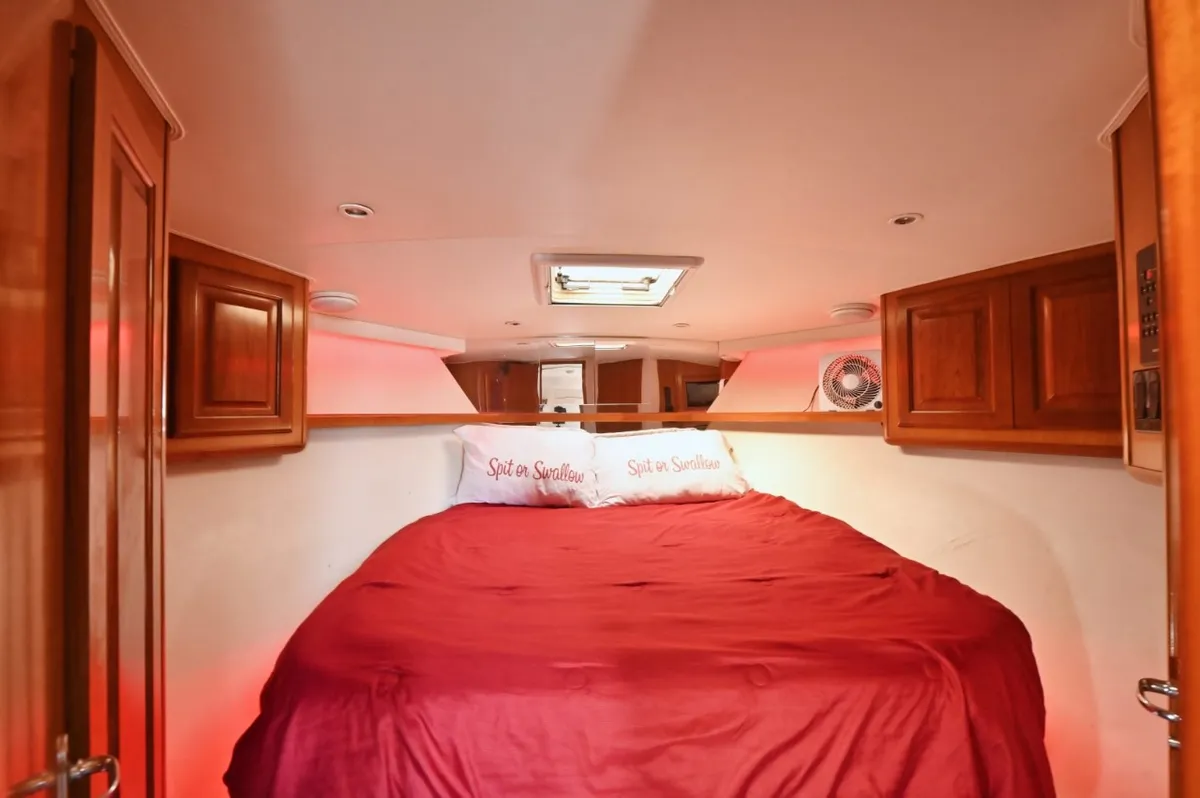
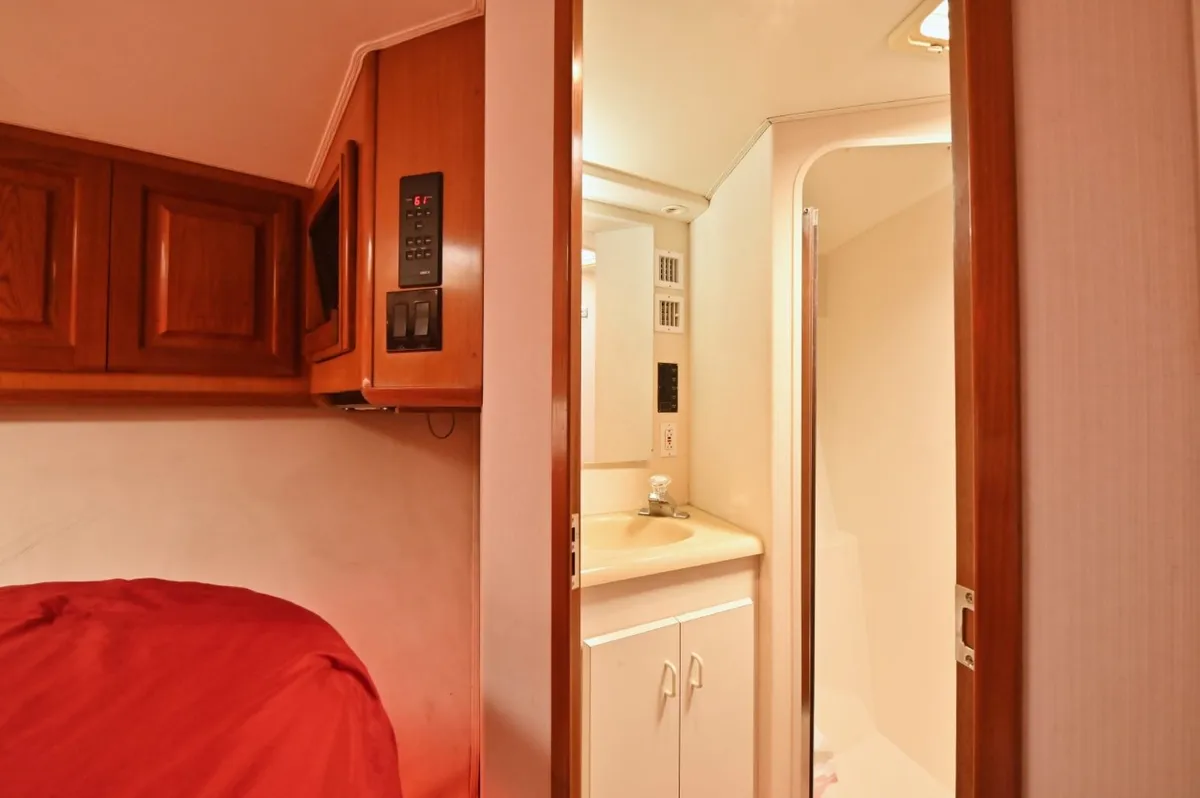
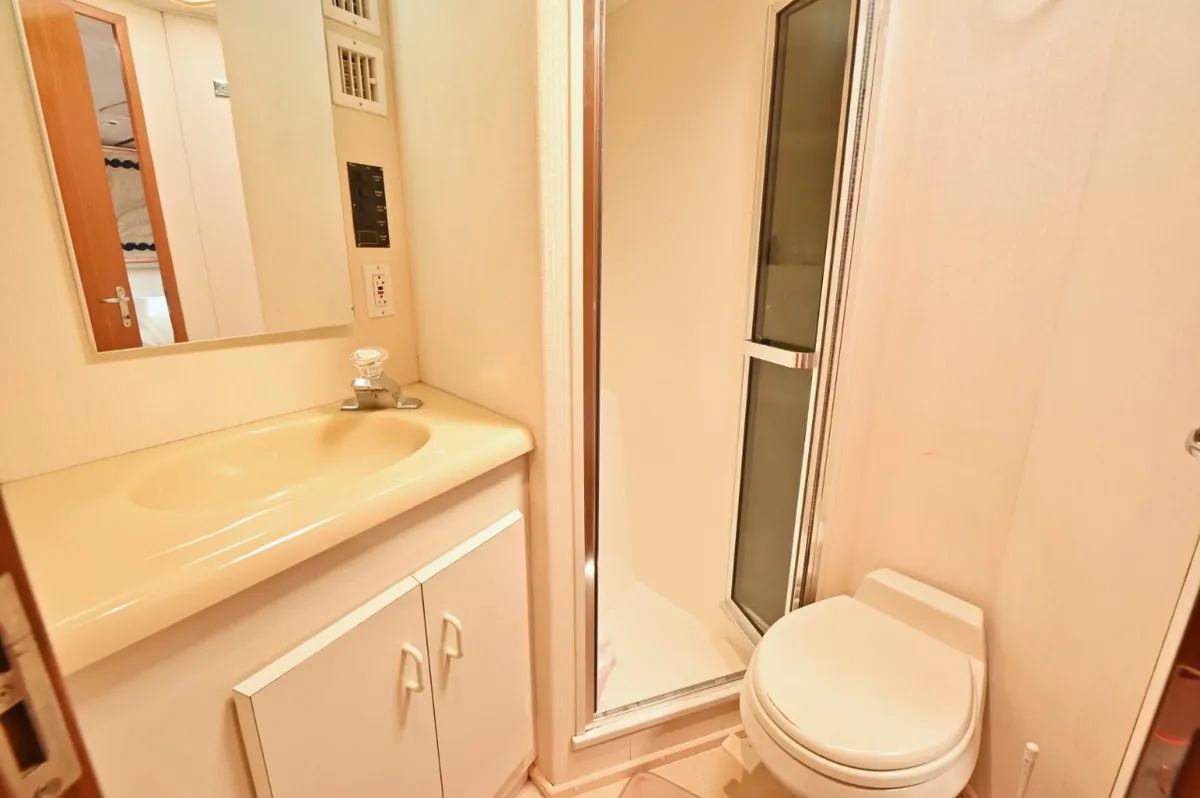
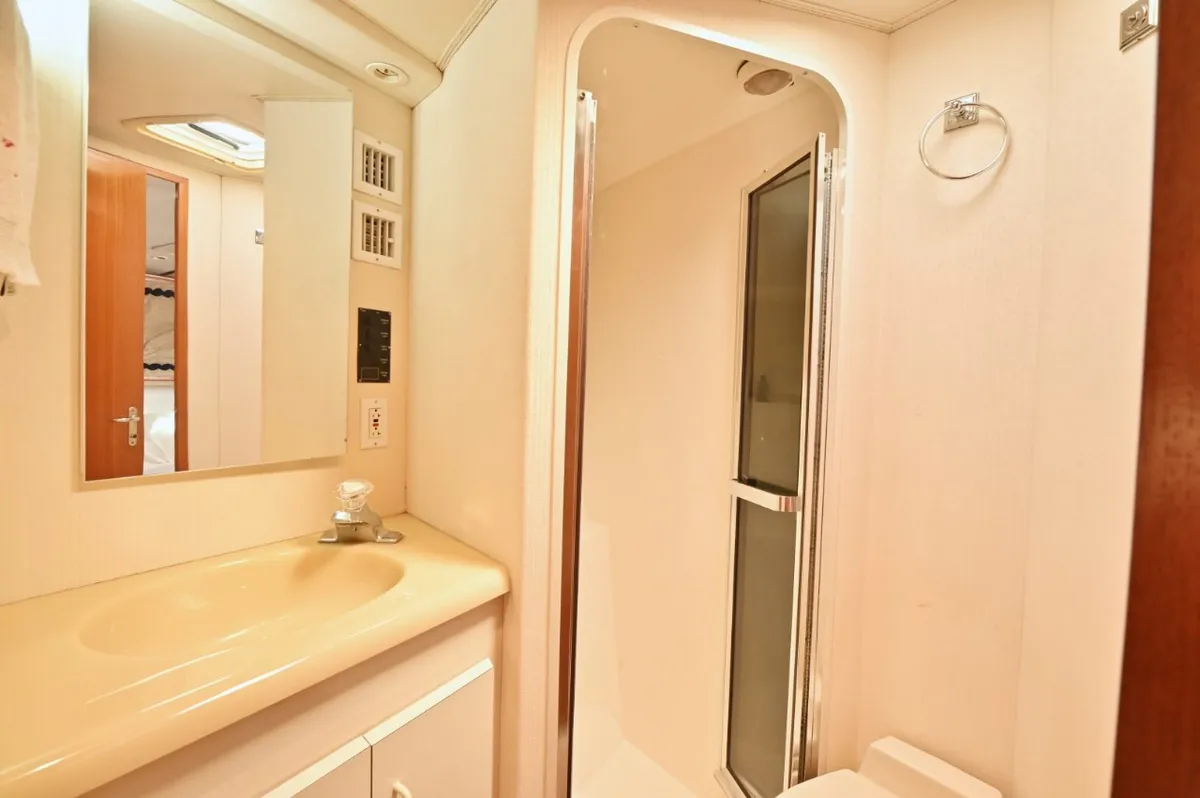
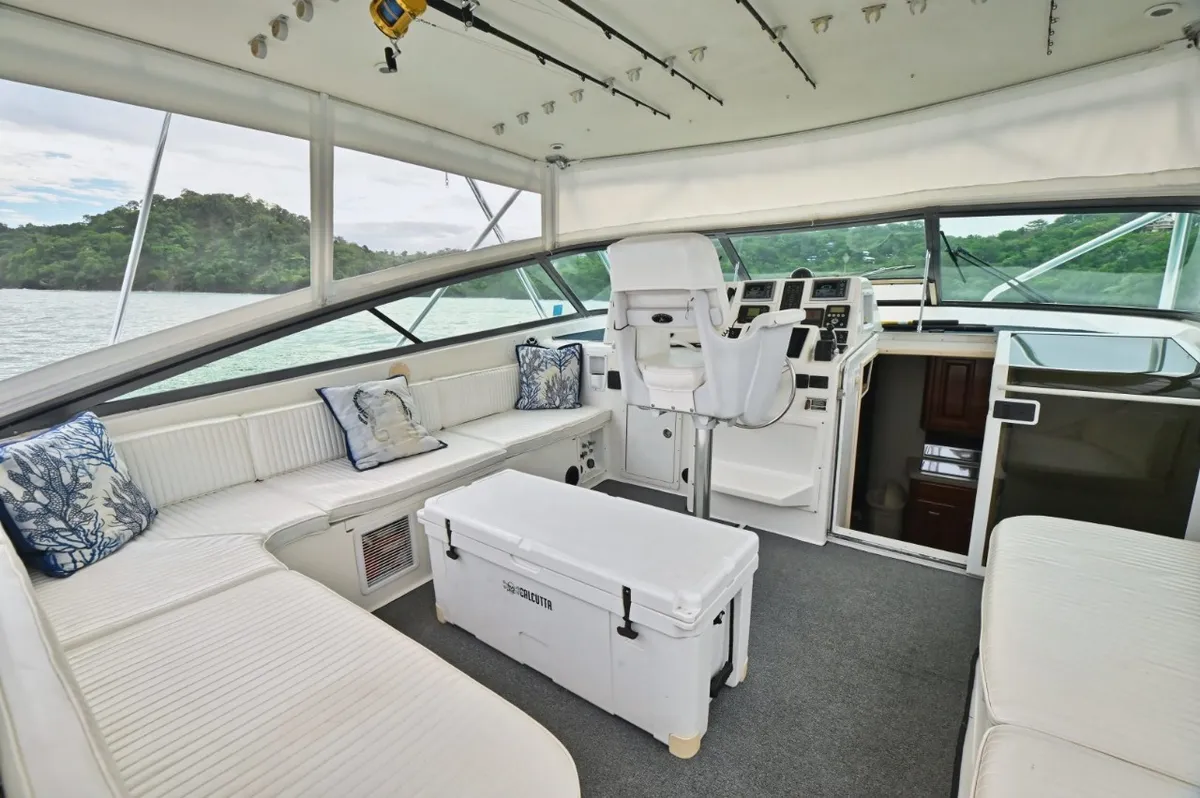
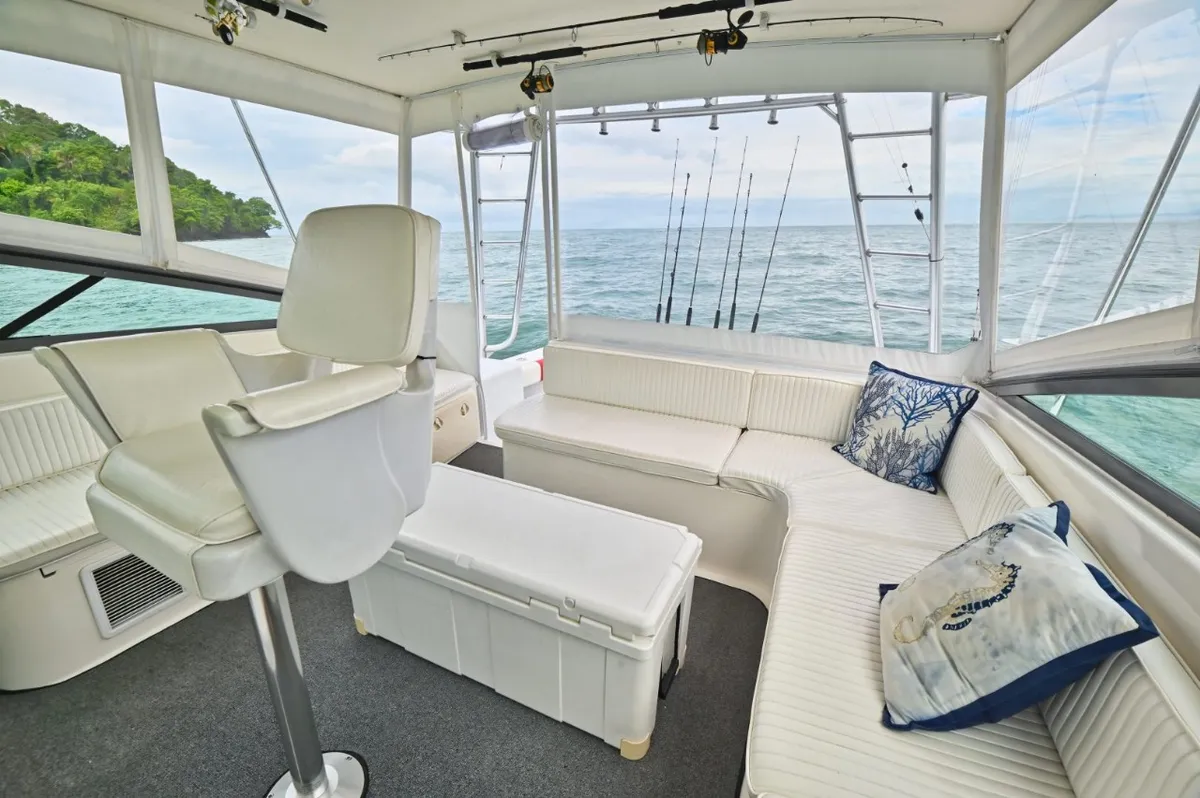
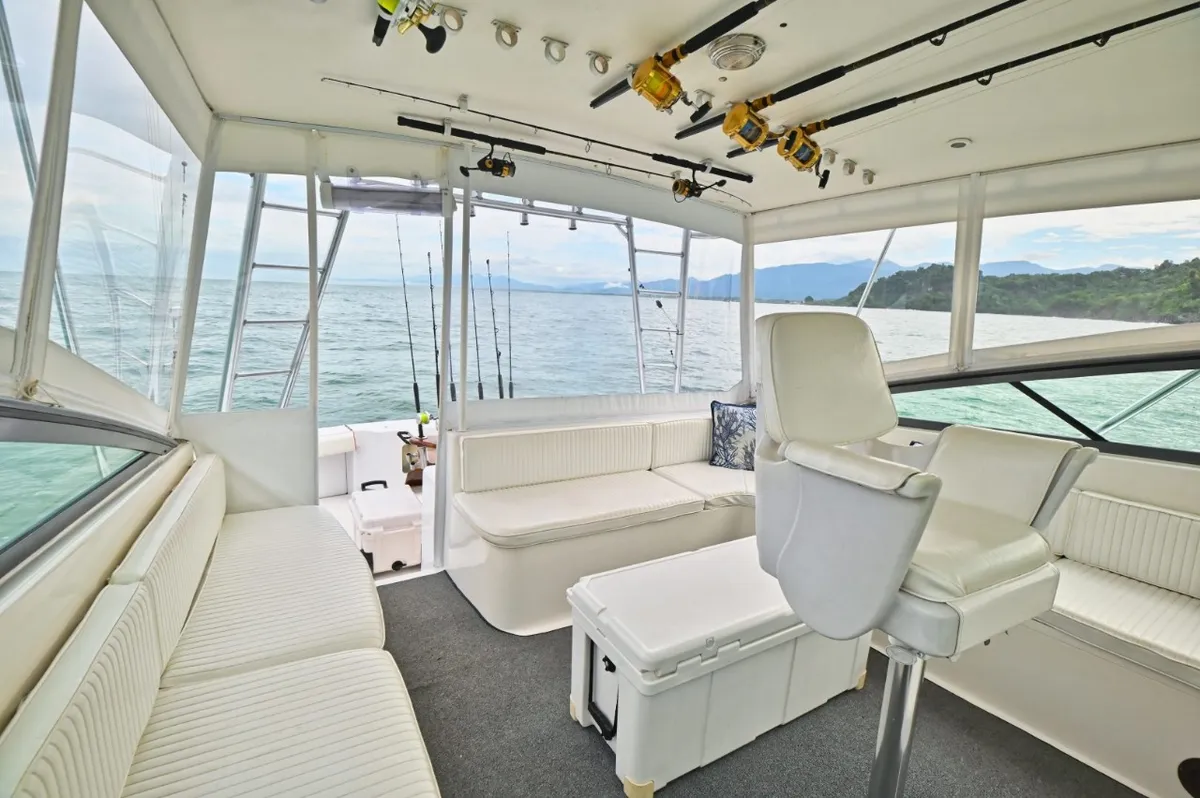
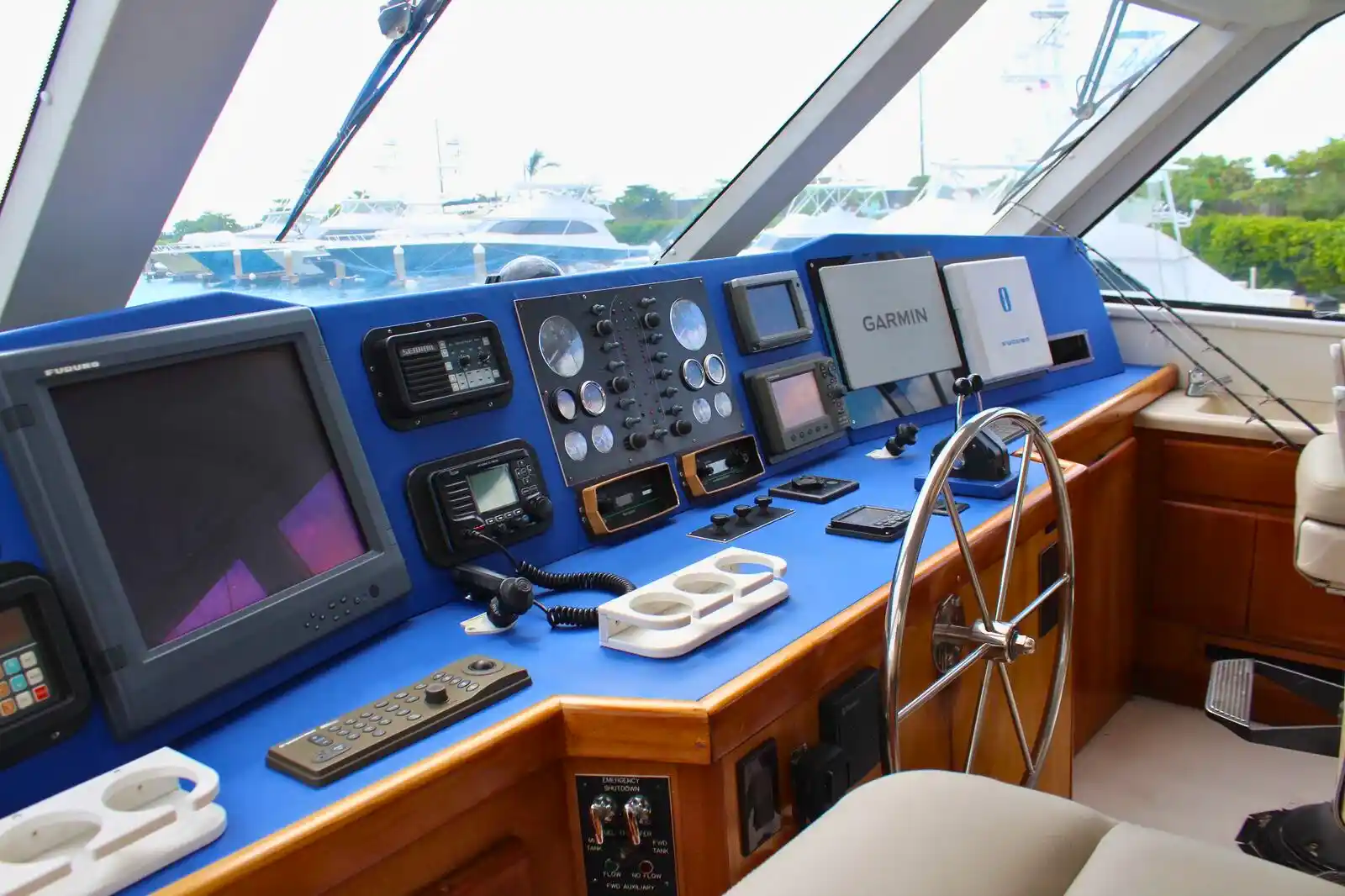
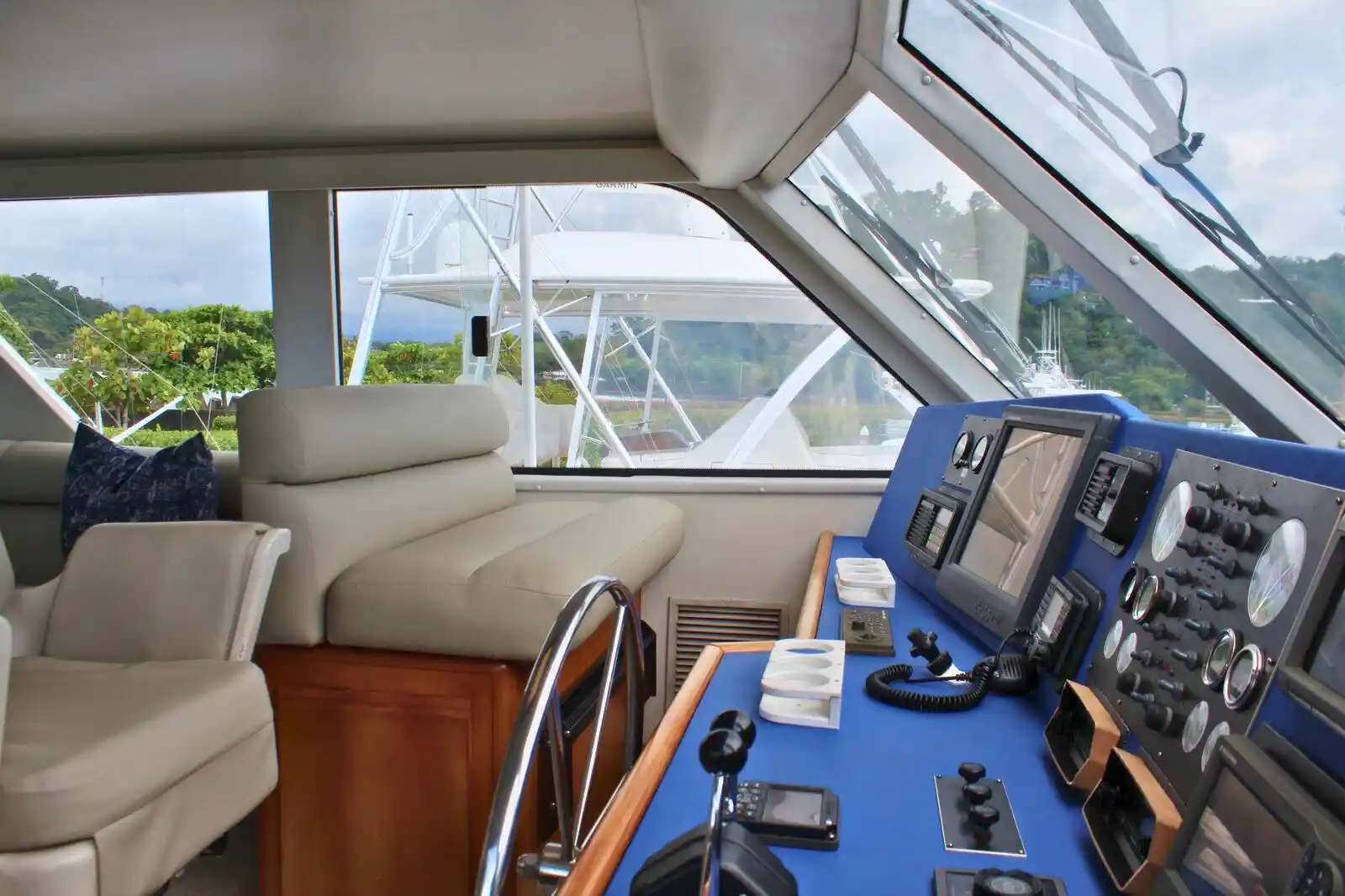
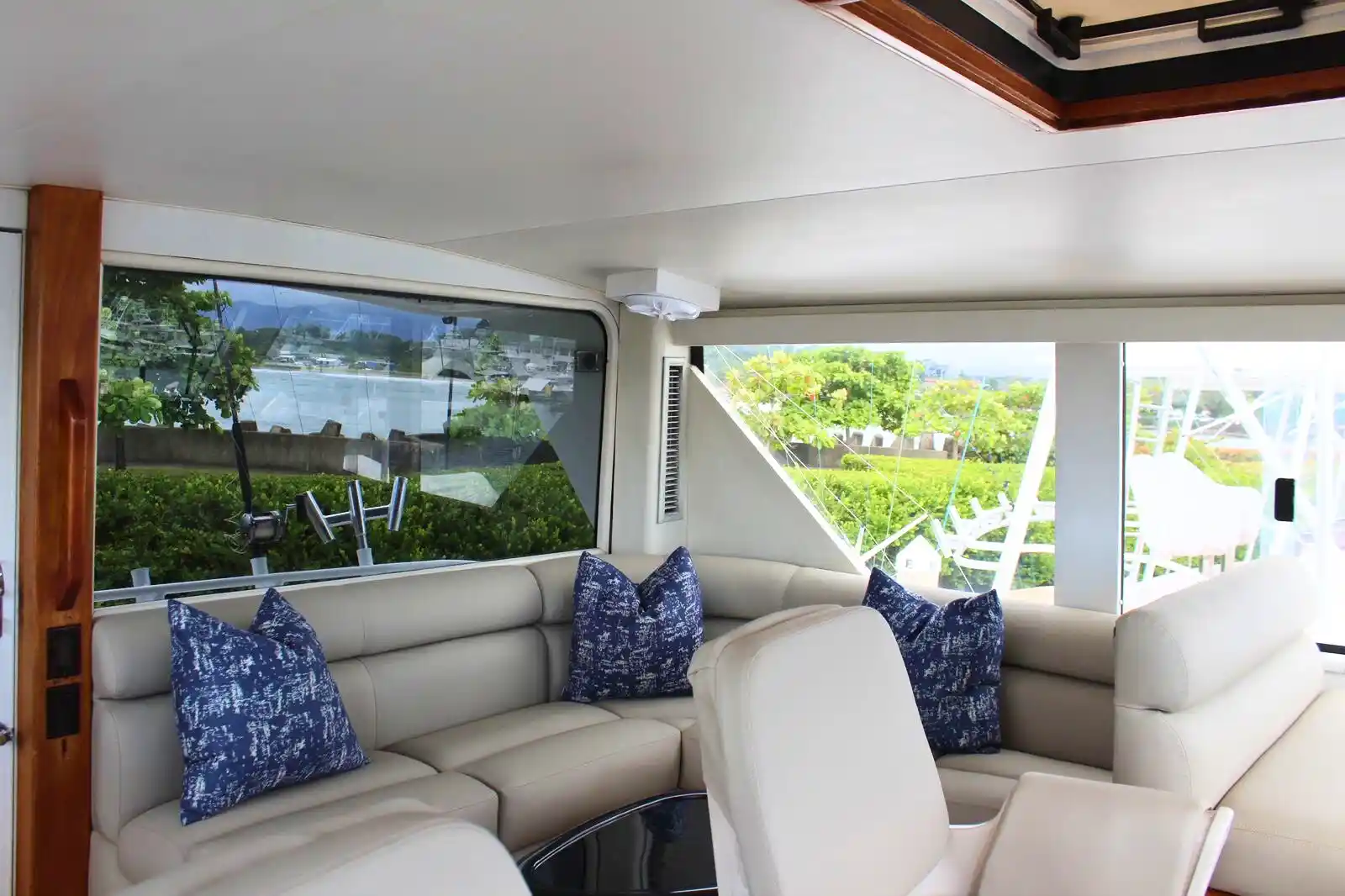
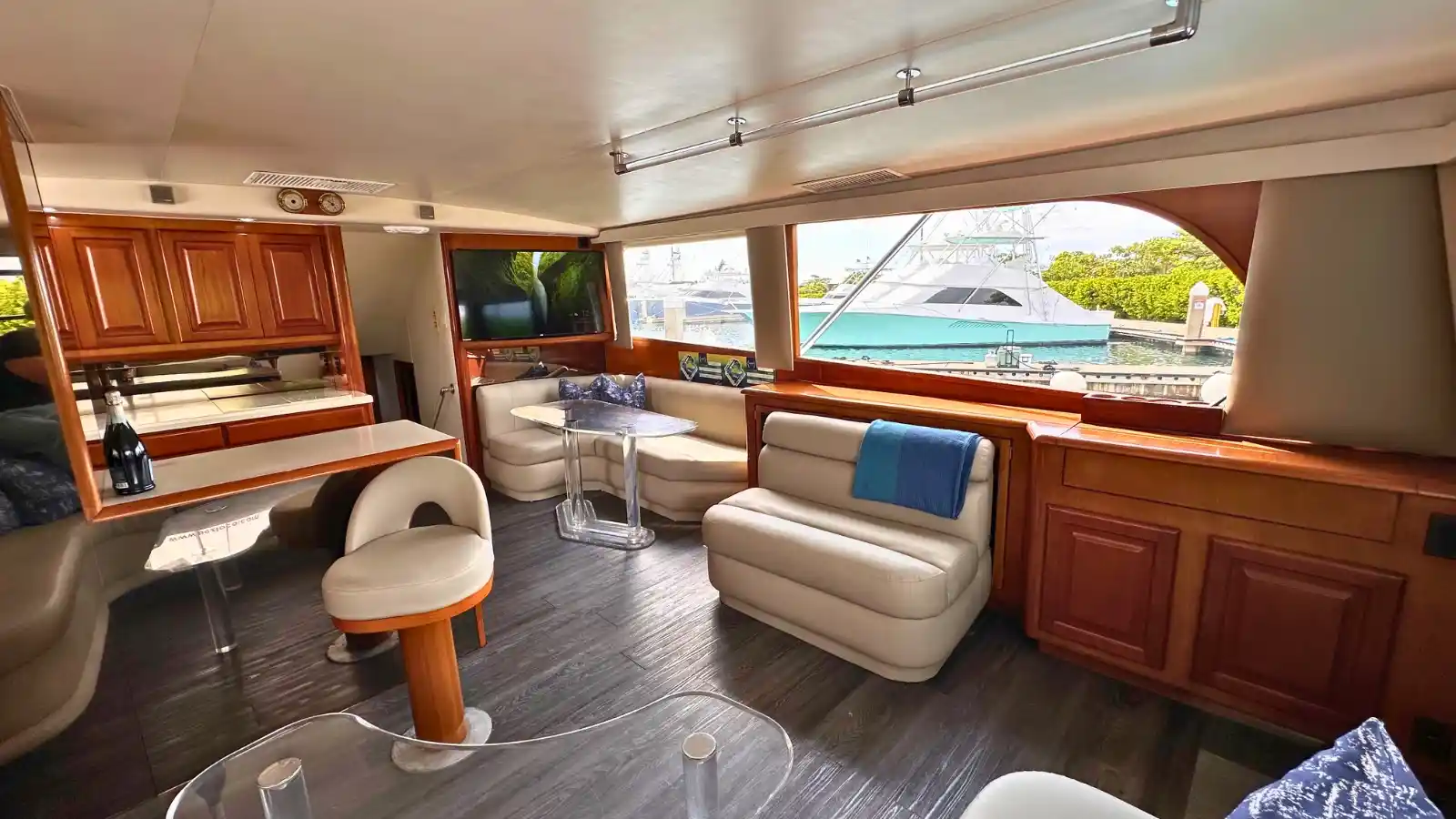
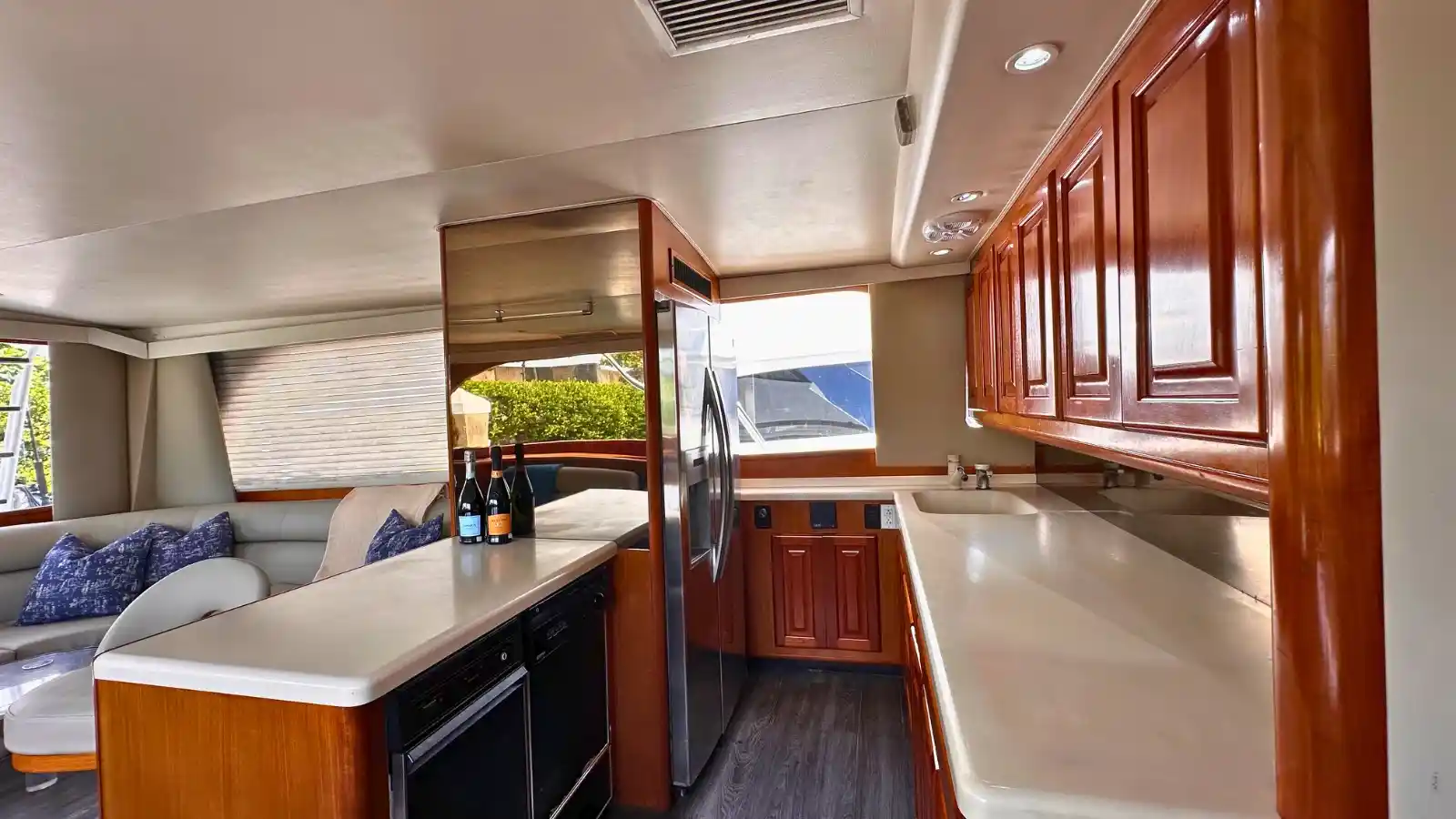
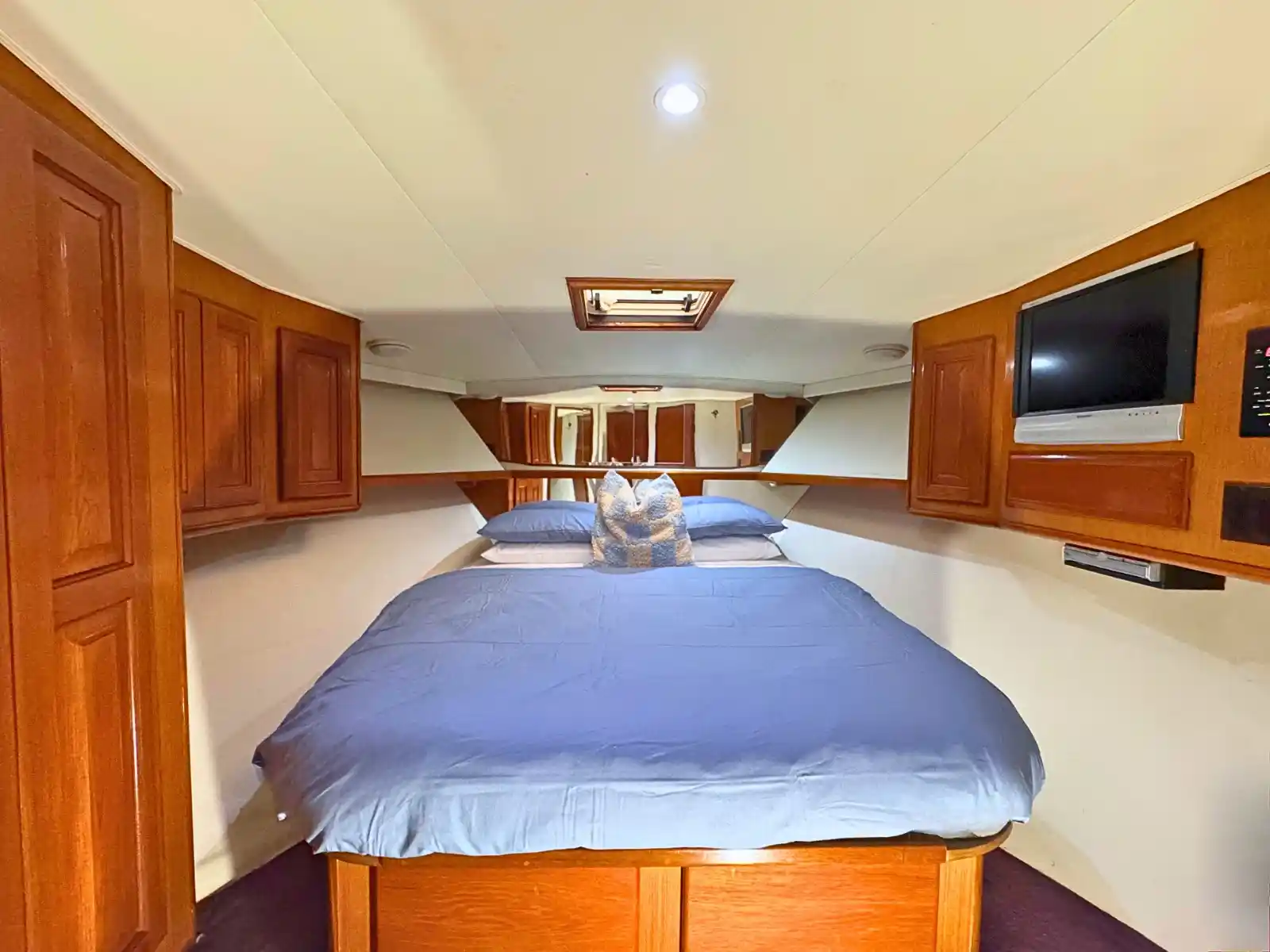
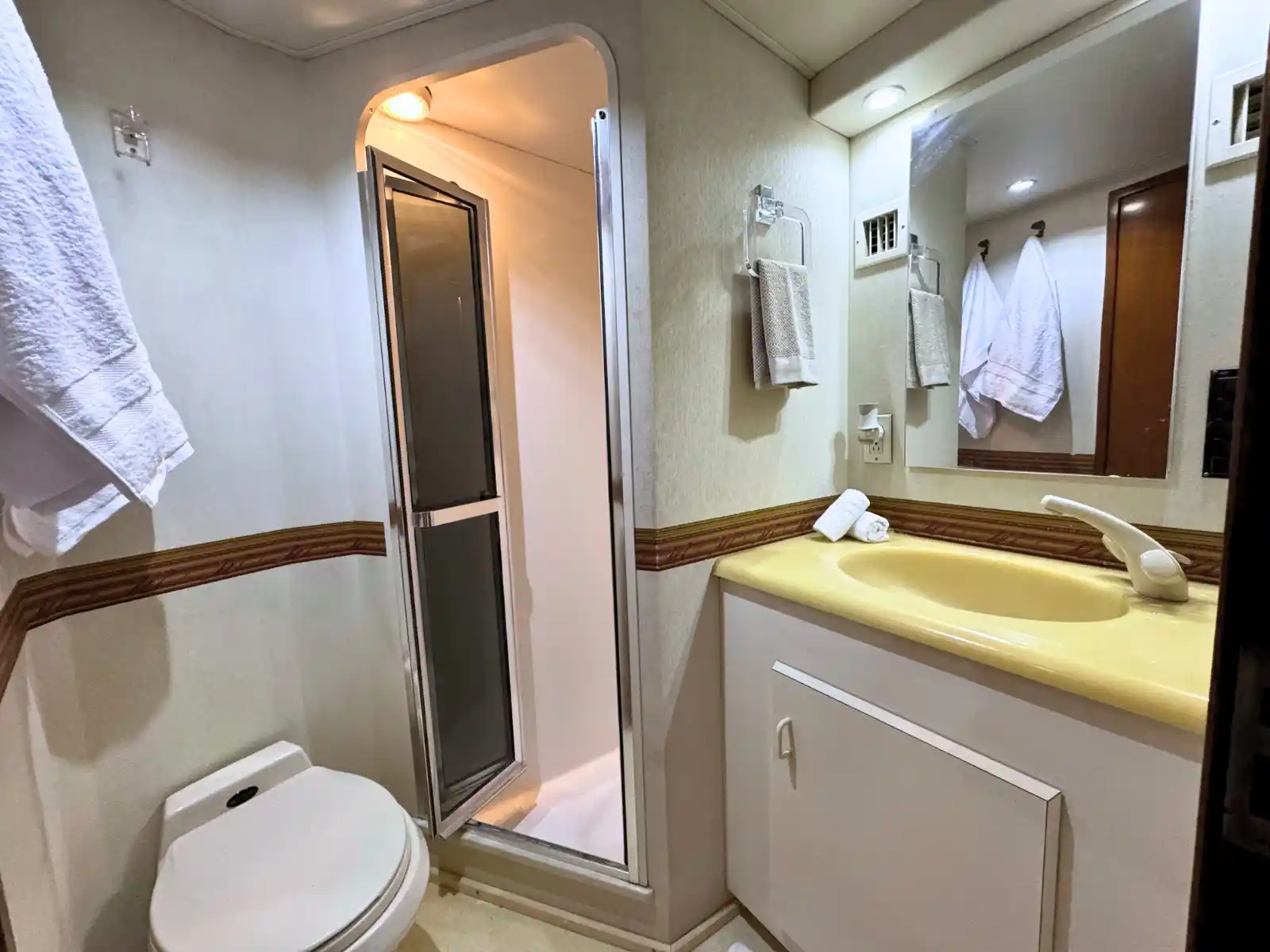
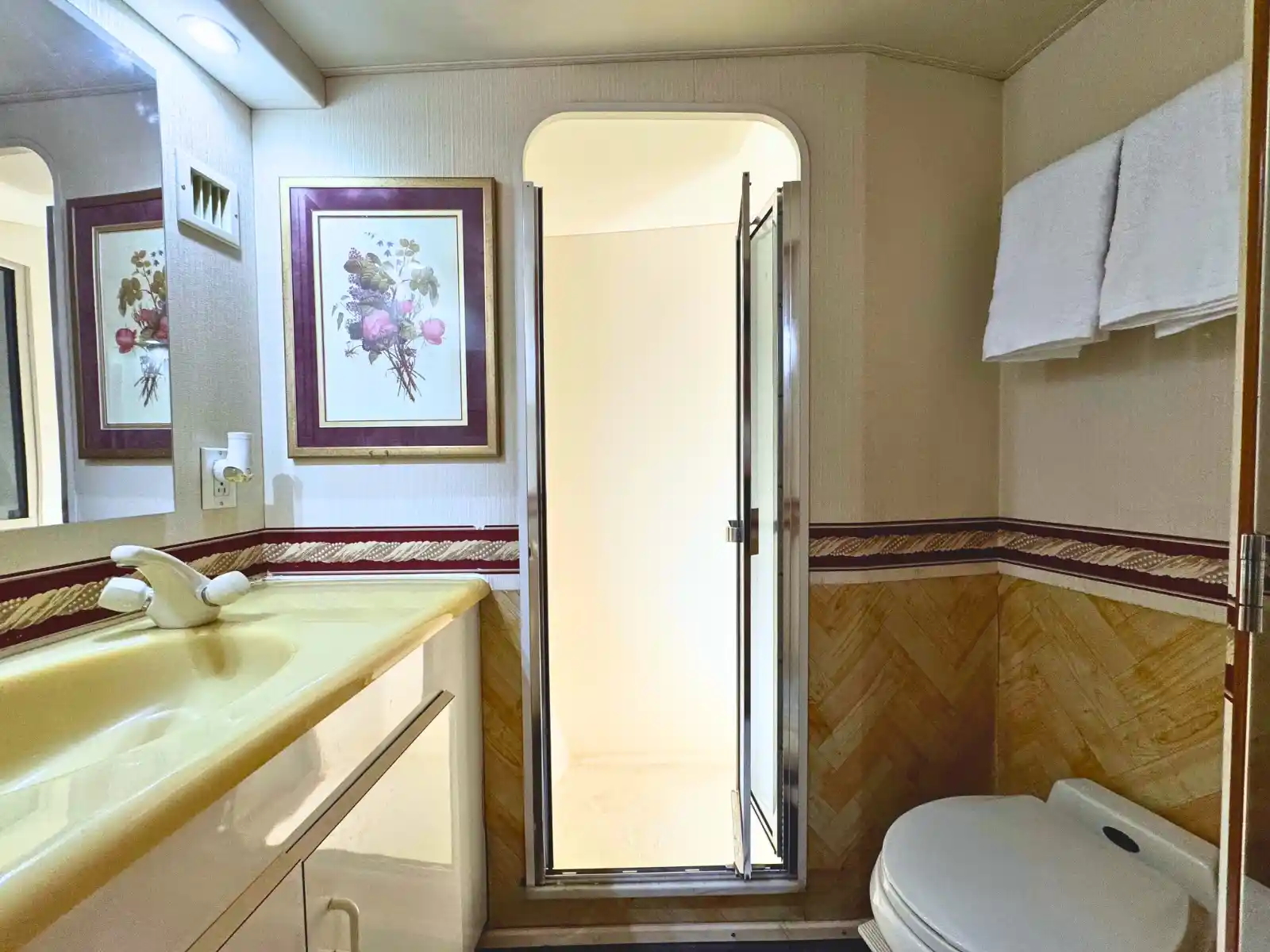
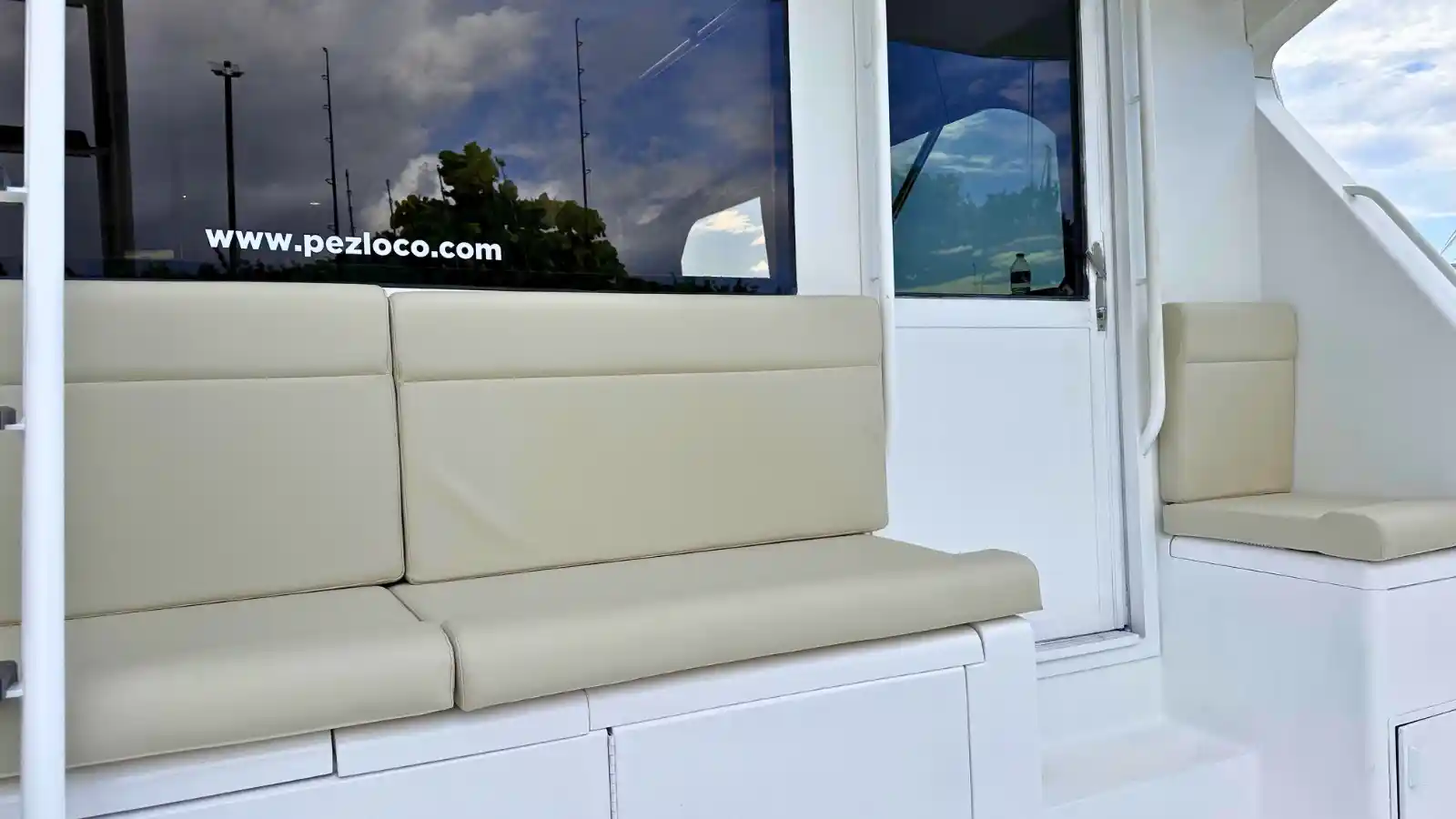
Stepping aboard a 60-foot luxury sportfisher like Pez Loco elevates the entire day:
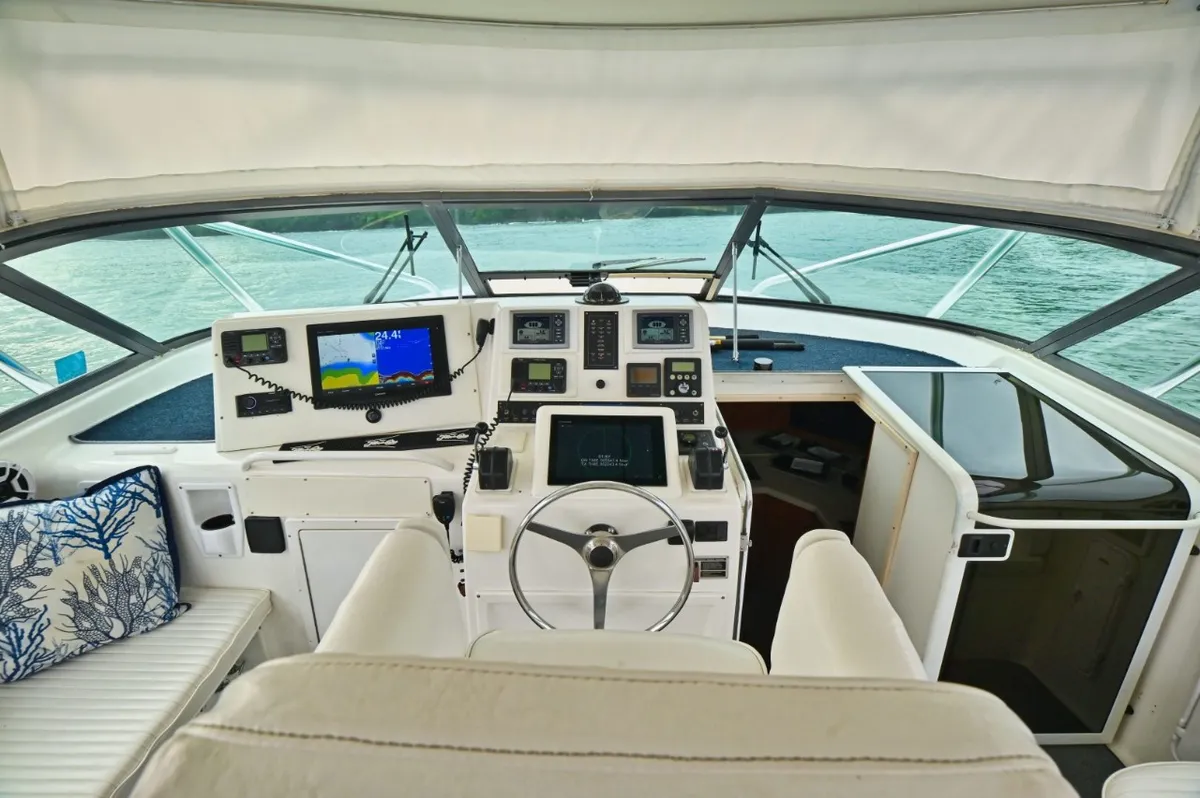
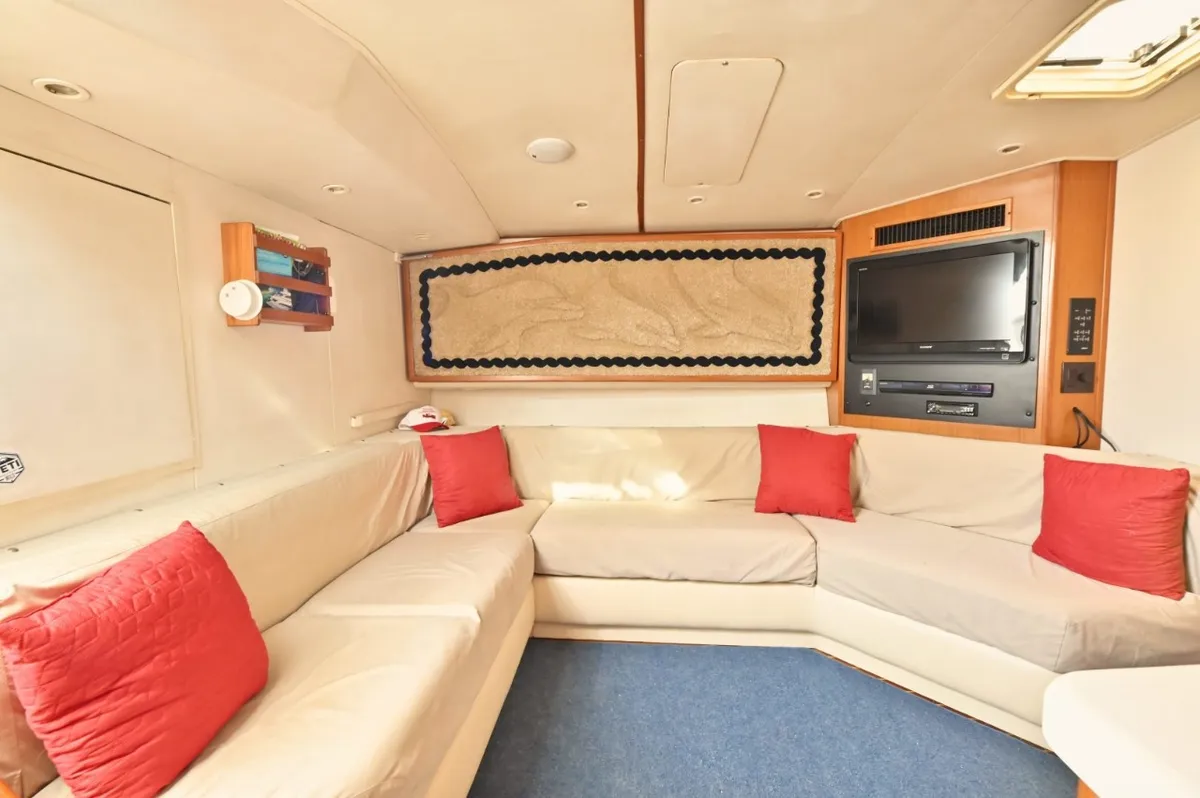
- Fully Enclosed A/C Salon & Bridge: Step into ice-cold air conditioning to relax on plush leather seating between bites while staying completely dry during a passing shower.
- Private Onboard Chef: Enjoy cooked-to-order hot breakfasts, sizzling lunches, and gourmet snacks rather than soggy pre-packed sandwiches.
- Stability & Space: A broad beam and heavy displacement hull provide a rock-solid, stable fishing platform, dramatically reducing motion sickness for families and non-anglers.
To learn more about our fleet options and other seasonal targets, visit our Quepos fishing guide and reports.
Frequently Asked Questions (FAQ)
What is the best month to catch mahi-mahi in Quepos, Costa Rica?
While available year-round, October and November produce the largest concentrations of trophy bull dorado over 40 pounds, coinciding with peak floating debris lines and the Marina Pez Vela Dorado Derby.
What is the difference between a “Bull” and a “Cow” dorado?
Male dorado (“Bulls”) feature a steep, blunt, vertical bony forehead and typically grow substantially larger. Female dorado (“Cows”) have a sleek, rounded, streamlined head. Both display identical neon green, yellow, and blue hues.
Can beginners and kids catch dorado?
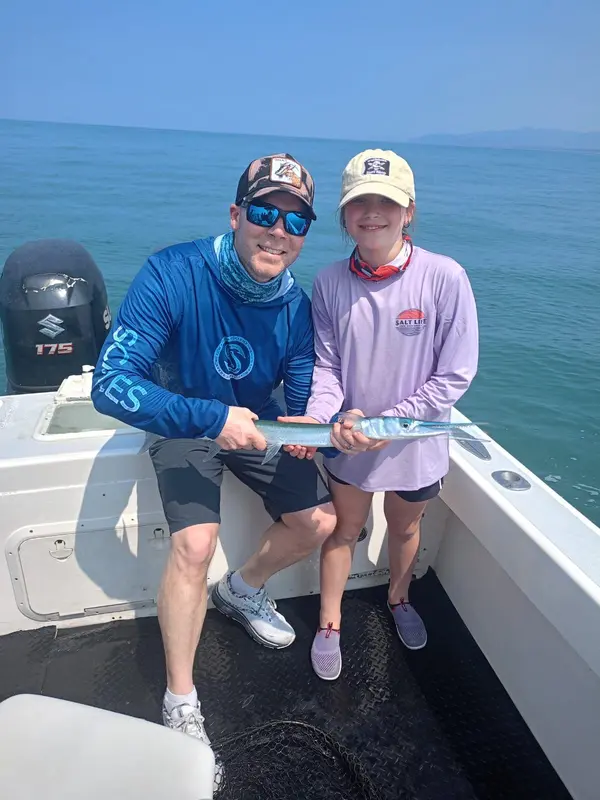
Yes! Dorado are one of the best big-game species for beginners and kids. They hit aggressively, bite quickly, and jump acrobatically near the boat without requiring the grueling hours of physical endurance needed for a giant marlin.
Is dorado catch-and-release in Costa Rica?
Unlike sailfish and marlin, which are strictly catch-and-release by Costa Rican law, dorado are legal to harvest within sustainable boat limits. Your crew will clean and fillet eligible catch for you to enjoy.
Book Your Quepos Dorado Charter Aboard “Pez Loco”
The fall dorado run off Quepos is one of the most action-packed sportfishing spectacles in Central America. Experience it in unmatched luxury aboard our 60′ Viking with a private onboard chef and tournament-tested crew.
- Reserve Your Dates: Submit our direct charter inquiry form for real-time rates and availability.
- Dock Location: Slip #1, Marina Pez Vela, Quepos, Costa Rica
- Direct US Phone: +1 707-221-8344
- Costa Rica WhatsApp: +506 8980-0925
- Website: PezLoco.com